This day

August 17, 2023

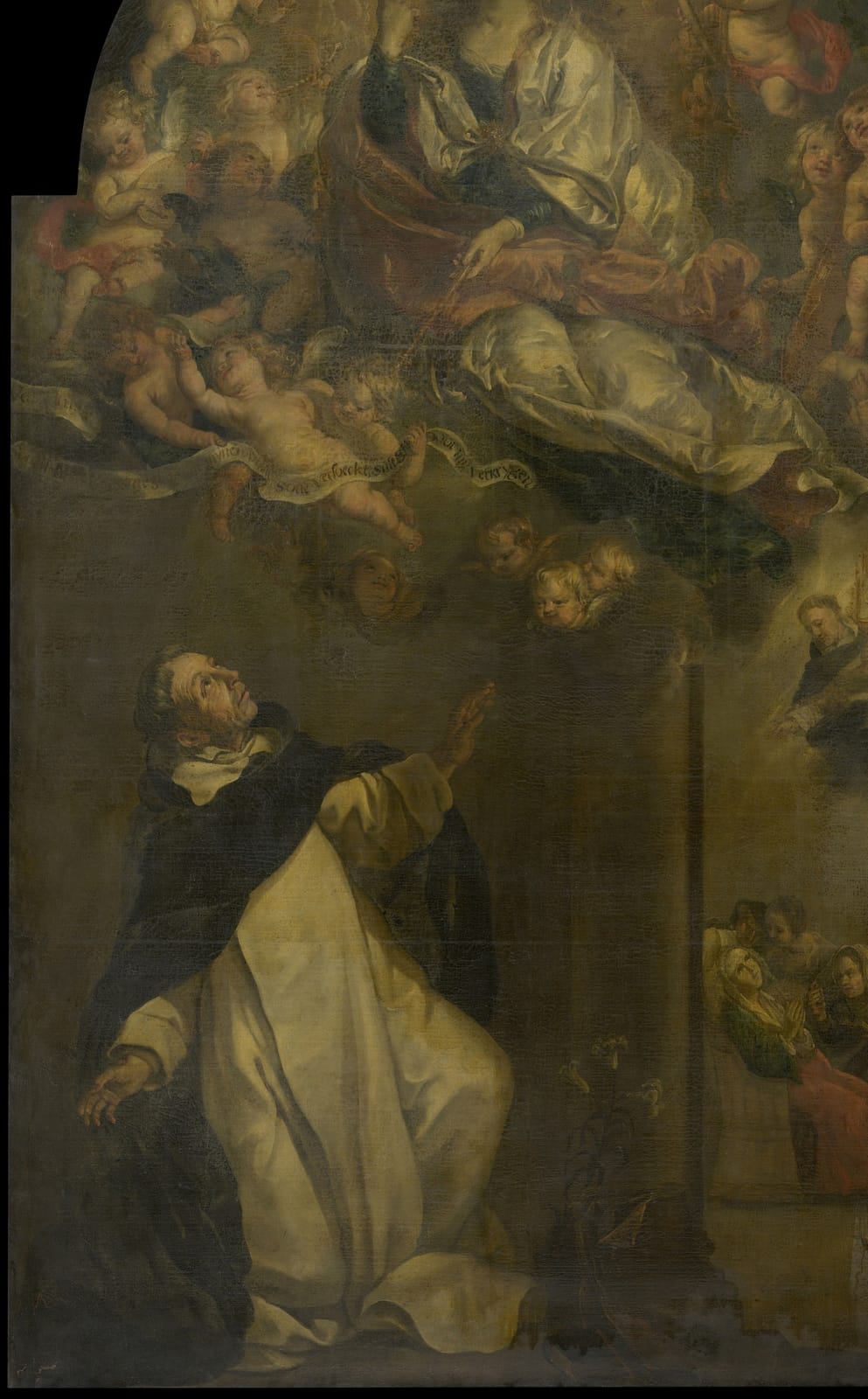
Vision of St Hyacinth
The Vision of Saint Hyacinth of Poland, Nicolaas de Liemacker. Credits

After Pentecost

August 17, 2023

August 17: St. Hyacinth, Confessor

From Dom Guéranger’s The Liturgical Year.

ONE of the loveliest lilies from the Dominican field to-day unfurls its petals at the foot of Mary's throne. Hyacinth represents on the sacred cycle that intrepid band of missionaries who, in the thirteenth and fourteenth centuries, faced the barbarism of the Tartars and Mussulmans which was threatening the West. From the Alps to the northern frontiers of the Chinese Empire, from the islands of the Archipelago to the Arctic regions, he propagated his Order and spread the kingdom of God. On the steppes, where the schism of Constantinople disputed its conquests with the idolatrous invaders from the North, he was seen for forty years working prodigies, confounding heresy, dispelling the darkness of infidelity.

The consecration of martyrdom was not wanting to this, any more than to the first apostolate. Many were the admirable episodes where the angels seemed to smile upon the hard combats of their earthly brethren. In the convent founded by Hyacinth at Sandomir on the Vistula, forty-eight Friars Preachers were gathered together under the rule of blessed Sadoc. One day the lector of the Martyrology, announcing the feast of the morrow, read these words which appeared before his eyes in letters of gold: At Sandomir on the fourth of the Nones of June, the Passion of Forty-nine Martyrs.
Chapter 1: The History of the Time after Pentecost

From Dom Guéranger’s The Liturgical Year.

The solemnity of Pentecost and its octave are over, and the progress of the liturgical year introduces us into a new period, which is altogether different from those we have hitherto spent. From the very beginning of Advent, which is the prelude to the Christmas festival, right up to the anniversary of the descent of the Holy Ghost, we have witnessed the entire series of the mysteries of our redemption; all have been unfolded to us. The sequel of seasons and feasts made up a sublime drama, which absorbed our very existence; we have but just come from the final celebration, which was the consummation of the whole. And yet we have gone through but one half of the year. This does not imply that the period we have still to live is devoid of its own special mysteries; but, instead of keeping up our attention by the ceaseless interest of one plan hurrying on to its completion, the sacred liturgy is about to put before us an almost unbroken succession of varied episodes, of which some are brilliant with glory, and others exquisite in loveliness, but each one of them bringing its special tribute towards either the development of the dogmas of faith or the furtherance of the Christian life.

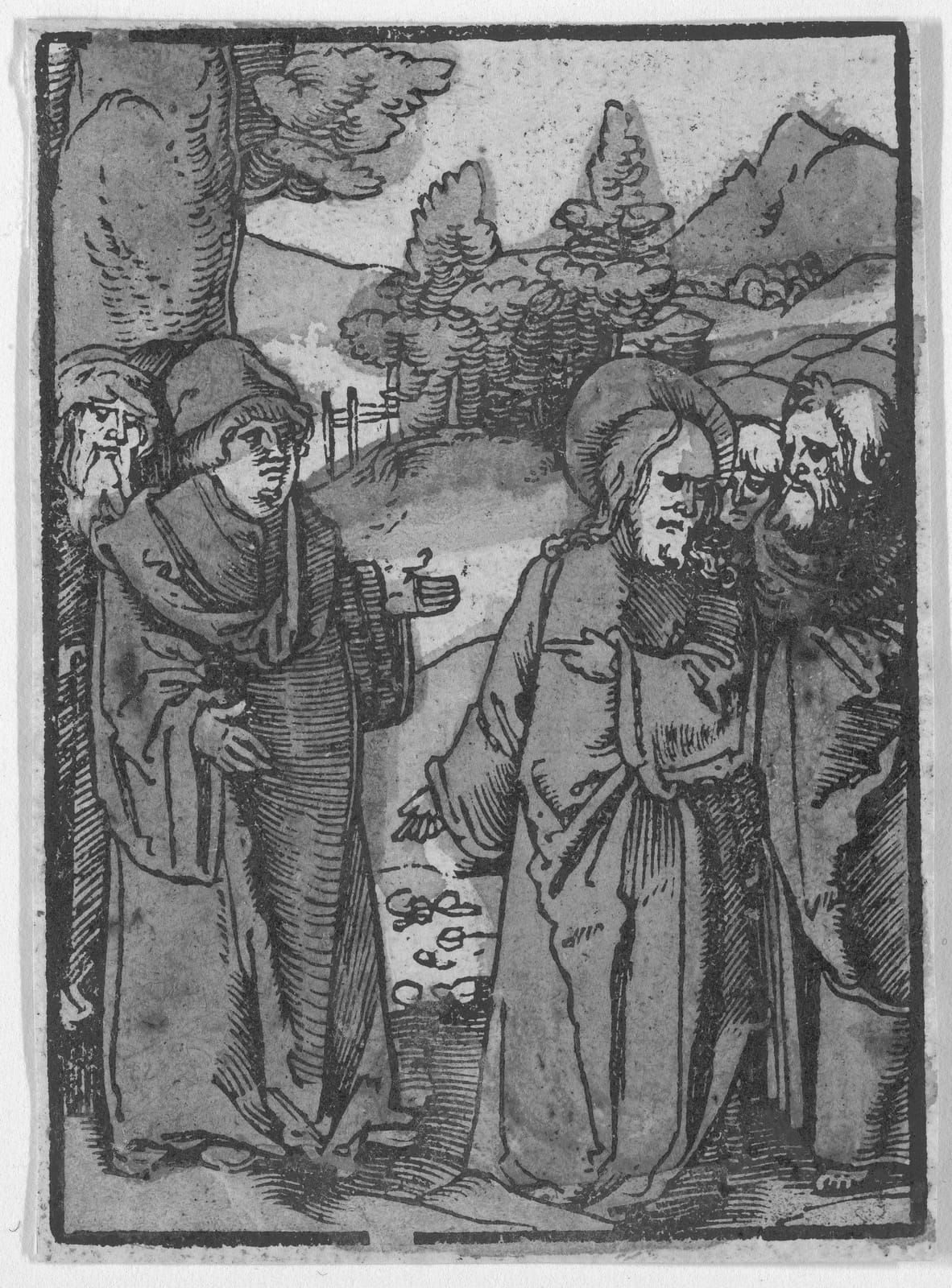
Christ warning the disciples against false prophets
Hans Schäufelein (1480–1540), Christ Warning the Disciples of False Prophets, from Das Plenarium, 1517. Credits

Email view of this day