This day

September 30, 2023

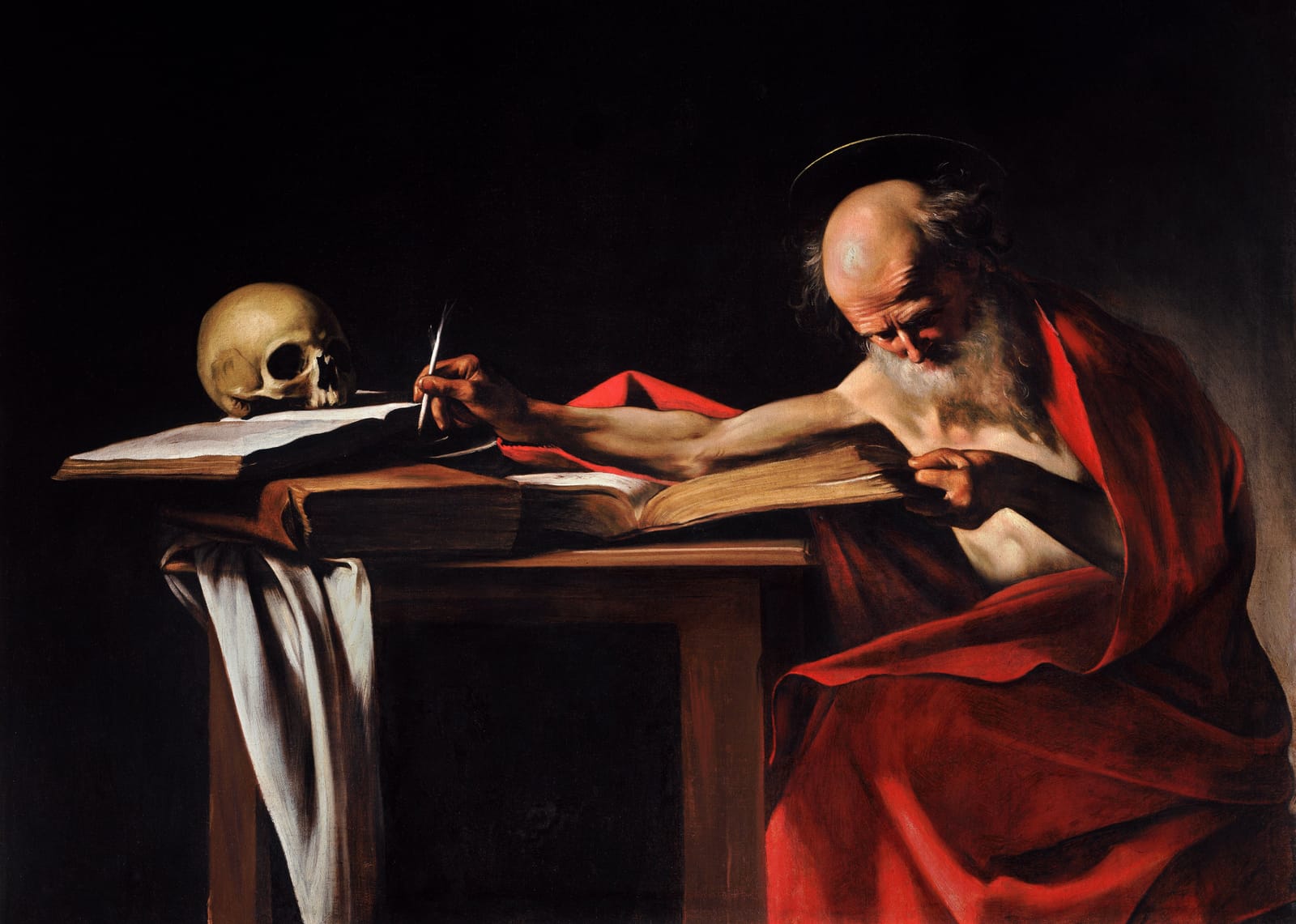
Saint Jerome Writing
Saint Jerome Writing, Caravaggio (1571–1610), 1605–1606. Credits

After Pentecost

September 30, 2023

September 30: St. Jerome, Priest, Confessor and Doctor of the Church

From Dom Guéranger’s The Liturgical Year.

‘I know not Vitalis, I reject Meletius, I pass by Paulinus; he that cleaveth to the Chair of Peter, he is mine.’ Thus, about the year 376, when the whole east was disturbed by the competitions for the episcopal See of Antioch, wrote an unknown monk to Pope St. Damasus. It was St. Jerome, a native of Dalmatia, who implored ‘light for his soul redeemed by the Blood of our Lord.’

Far from Stridonium, his semi-barbarous native place, whose austerity and vigour he never lost; far from Rome, where the study of literature and philosophy had not had sufficient ascendency to withhold him from the seductions of pleasure; the fear of God’s judgments had led him into the desert of Chalcis. There, under a burning sky, in the company of wild beasts, he for four years tormented his body with fearful macerations; and then, as a yet more efficacious remedy, and certainly a more meritorious mortification for one passionately fond of classical beauties, he sacrificed his Ciceronian tastes to the study of the Hebrew language. Such an undertaking was far more laborious then than in our days of lexicons and grammars and scientific works of every description.

This week's Sunday: The Seventeenth Sunday after Pentecost

From Dom Guéranger’s The Liturgical Year.

The Gospel, which is now assigned to the Mass of the seventeenth Sunday, has given it the name of the Sunday of the love of God, dating, that is, from the time when the Gospel of the cure of the dropsy and of the invitation to the wedding-feast was anticipated by eight days. Previously even to that change, and from the very first, there used to be read, on this seventeenth Sunday, another passage from the new Testament, which is no longer found in this series of Sundays: it was the Gospel which mentions the difficulty regarding the resurrection of the dead, which the Sadducees proposed to our Lord.

The judgments of God are always just, whether it be, in His justice, humbling the proud, or, in His mercy, exalting the humble. This day last week we saw this sovereign disposer of all things, allotting to each his place at the divine banquet. Let us recall to mind the behaviour of the guests, and the respective treatment shown to the humble and the proud.

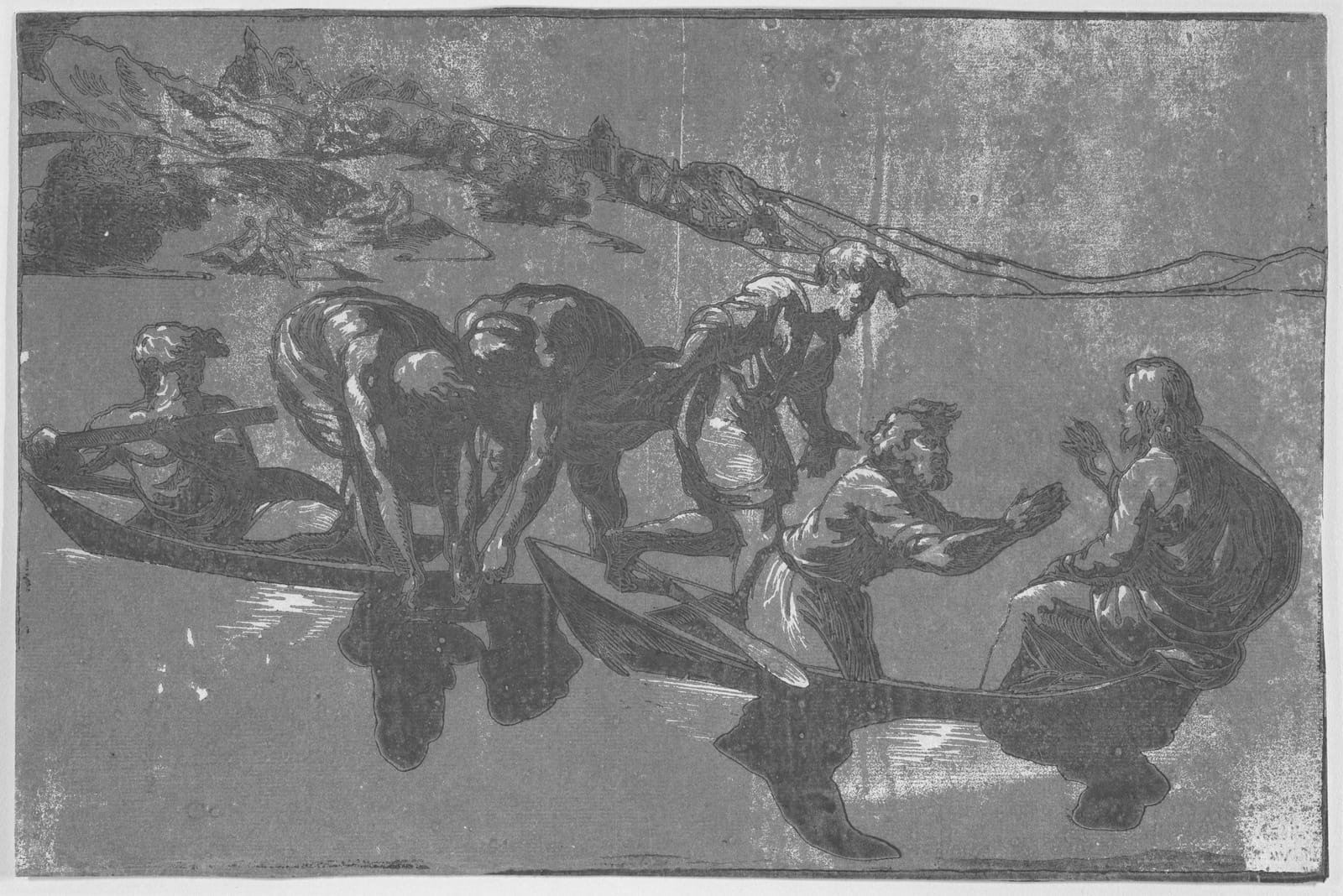
The miraculous draught of fishes
Niccolò Vicentino (1510–1550), The Miraculous Draught of Fishes, 1540–50. Credits

Email view of this day