This day

January 21, 2024

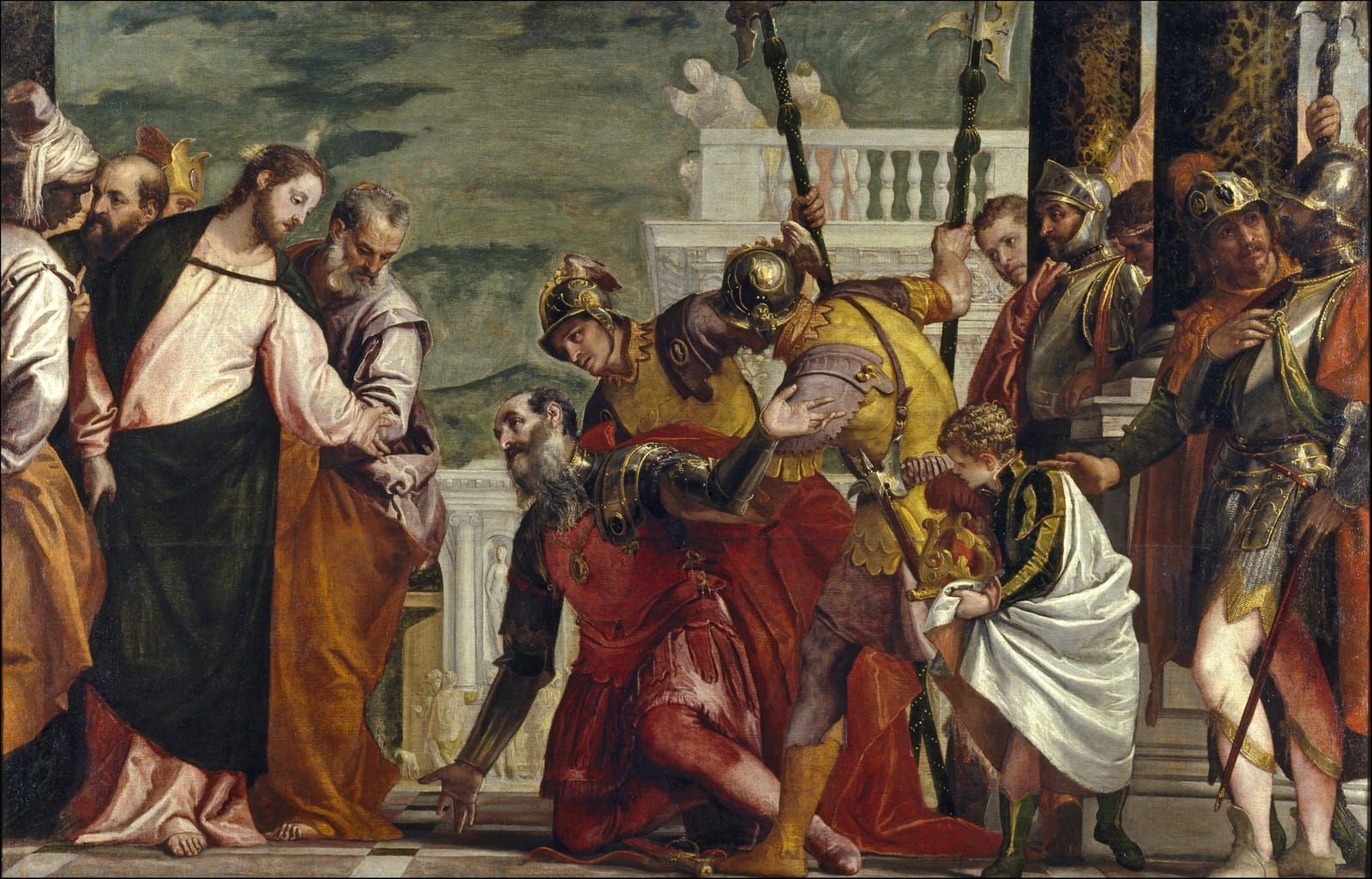
Christ and the Centurion
Christ and the Centurion, Paolo Veronese (1528–1588), c. 1571. Credits

Epiphanytide

January 21, 2024

The Third Sunday after Epiphany

From Dom Guéranger’s The Liturgical Year.

THE variation of Easter Sunday necessitates almost every year a different arrangement of the Sundays after the Epiphany from that in which they stand in the Missal. Septuagesima often comes in January and the Feast of the Purification is occasionally later than Quinquagesima Sunday; hence the office of these four last Sundays may have to be transferred to another season of the liturgical cycle. We were obliged then to provide for these changes and simplify them for the Faithful by adopting our present plan. We have inserted here the third and fourth Sundays as usually falling in Christmastide, while the office of the fifth and sixth Sundays will be found in the volumes of Septuagesima and the second after Pentecost, this latter season being the one in which they are most frequently kept.

The Introit represents the Angels of God adoring him on his entrance into this world, as St Paul explains this passage of the Psalms. The Church celebrates with David the gladness of Sion, and the joy of the daughters of Juda.

Adore God, all ye his Angels: Sion heard and was glad, and the daughters of Juda rejoiced.
Chapter 8: On the Office of Compline for Sundays and Feasts during the Season

From Dom Guéranger’s The Liturgical Year.

THIS Office, which concludes the day, commences by a warning of the dangers of the night: then immediately follows the public Confession of our sins, as a powerful means of propitiating the divine justice, and obtaining God's help, now that we are going to spend so many hours in the unconscious and therefore dangerous state of sleep, which is also such an image of death.

May the Almighty Lord grant us a quiet night and a perfect end.
℟. Amen.

The Lector then reads these words from the first Epistle of St Peter: Fratres: Sobrii estote, et vigilate: quia adversarius vester diabolus, tamquam leo rugiens circuit quærens quem devoret: cui resistite fortes in fide. Tu autem, Domine, miserere nobis.

Brethren, be sober and watch: for your adversary the devil goes about like a roaring lion, seeking whom he may devour: resist him, being strong in faith. But thou, O Lord, have mercy on us.

Then the Lord’s Prayer is recited in secret; after which the Priest says the Confiteor; and when he has finished, the Choir says: Misereatur tui omnipotens Deus, et dimissis peccatis tuis, perducat te ad vitam æternam.

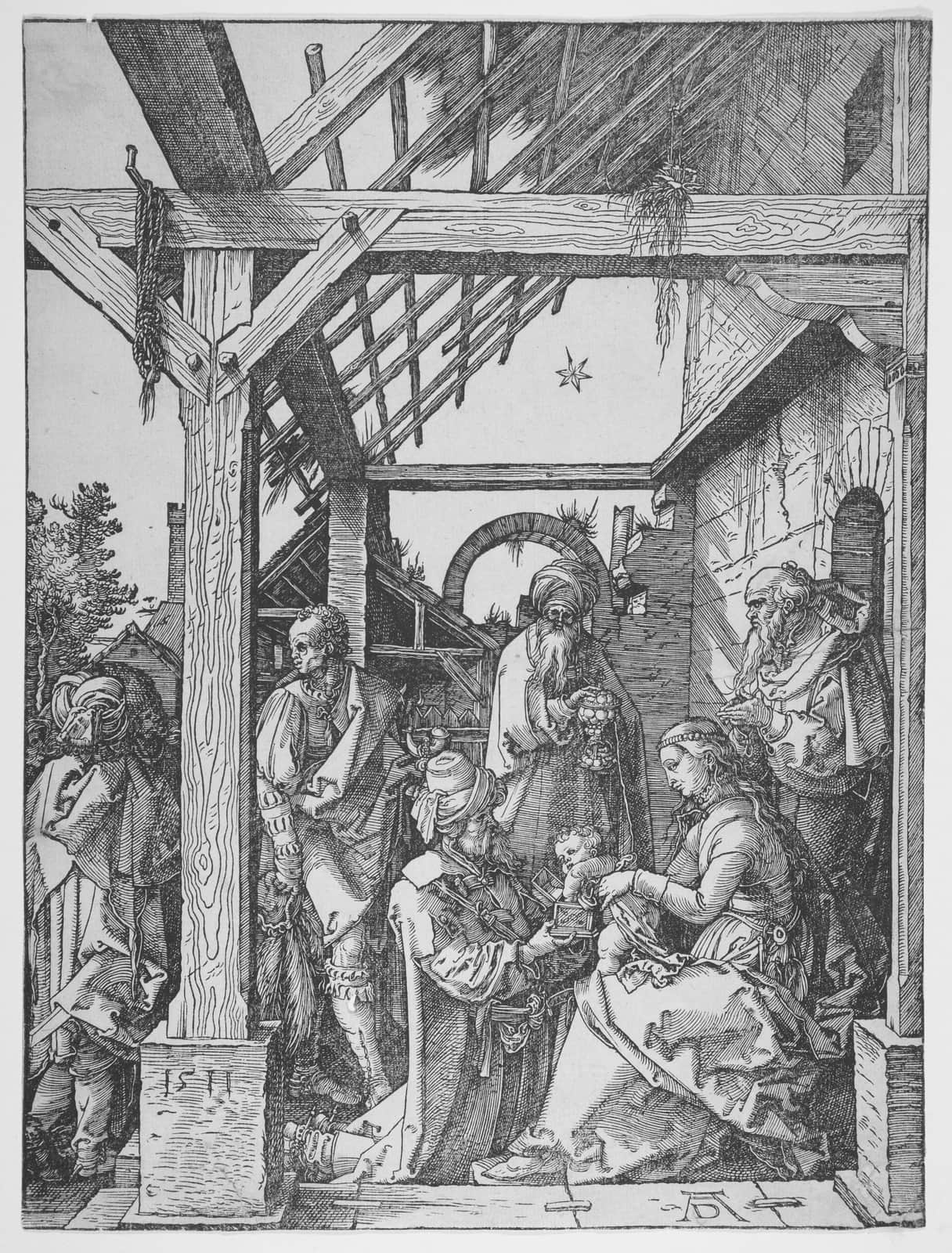
The Adoration of the Magi: the three kings offer gifts to the clothed Christ Child
Albrecht Dürer (1471–1528), The Adoration of the Magi, 1511. Credits

Email view of this day