This day

February 3, 2024

Septuagesima

February 3, 2024

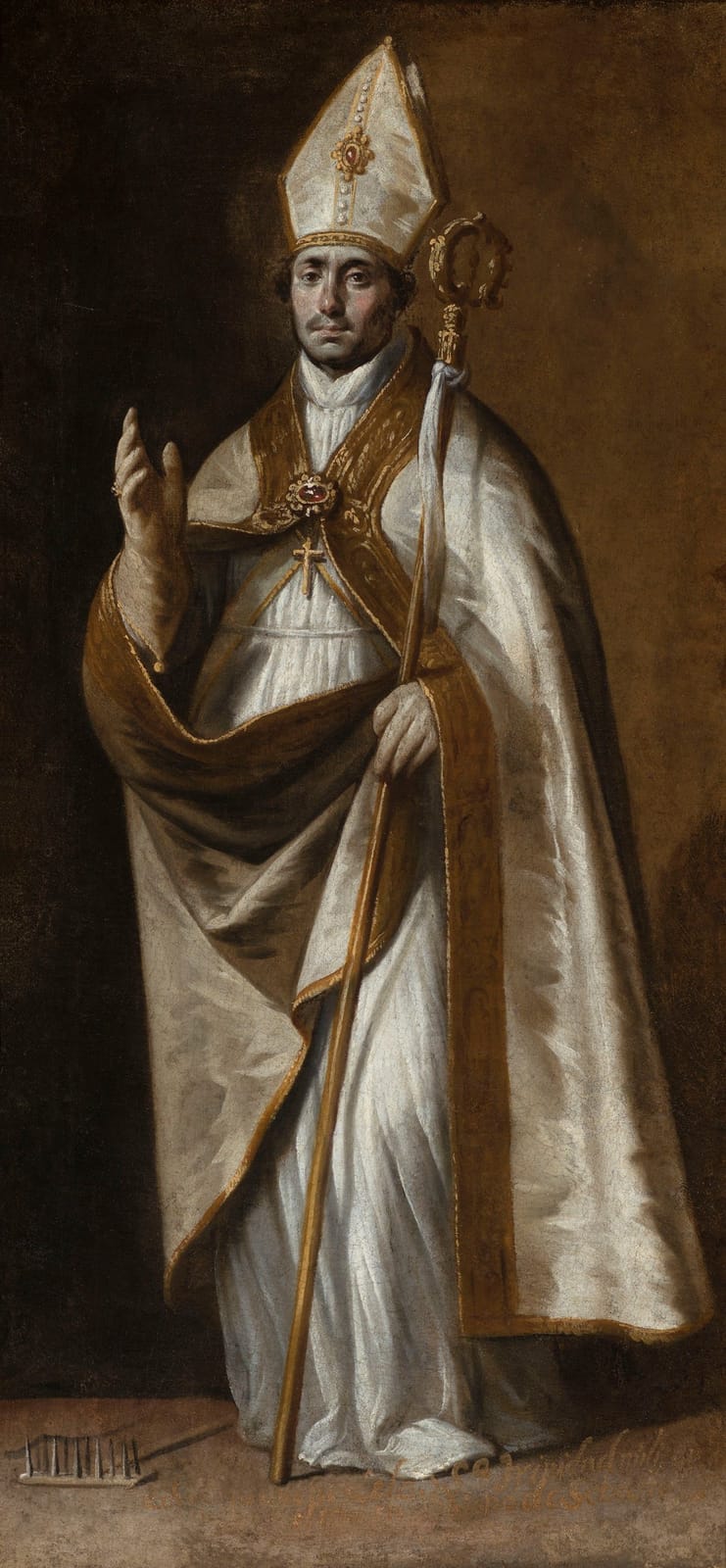
February 3: St. Blaise, Bishop and Martyr

From Dom Guéranger’s The Liturgical Year.

Now that the Church has closed the joyous period of her forty days of Christmas, and is putting us through a course of meditations on subjects which are to excite a spirit of penance within us, each of the saints’ feasts must produce an impression, which shall be in accordance with that spirit. From this day till Easter, we will study the saints, as they come to us, in this special light: how much they laboured and suffered during their pilgrimage of life, and what was the plan they took for conquering the world and the flesh. ‘They went,’ says the psalmist, ‘and wept, casting their seeds: but coming they shall come with joyfulness, carrying their sheaves.’ It shall be the same with us; and at the end of our lenten labours, our risen Jesus will hail us as His living, regenerated children.

The calendar of this portion of the year abounds with martyrs; and, at the very outset, we meet with one of the most celebrated of these glorious champions of Christ. The scene of his pastoral virtues and of his martyrdom was Sebaste, a city of Armenia, the same that will give us forty martyred soldiers on a single day.


This week's Sunday: Septuagesima Sunday

From Dom Guéranger’s The Liturgical Year.

The holy Church calls us together to-day in order that we may hear from her lips the sad history of the fall of our first parents. This awful event implies the Passion and cruel Death of the Son of God made Man, who has mercifully taken upon Himself to expiate this and every subsequent sin committed by Adam and us his children. It is of the utmost importance that we should understand the greatness of the remedy; we must, therefore, consider the grievousness of the wound inflicted. For this purpose, we will spend the present week in meditating on the nature and consequences of the sin of our first parents.

Formerly, the Church used to read in her Matins of to-day that passage of the Book of Genesis, where Moses relates to all future generations, but in words of most impressive and sublime simplicity, how the first sin was brought into the world. In the present form of the liturgy, the reading of this history of the fall is deferred till Wednesday, and the preceding days give us the account of the six days of creation.

Christ points to a laborer working in a vineyard
Hans Schäufelein (1480–1540), The Parable of the Workers in the Vineyard, from Das Plenarium, 1517. Credits

Email view of this day