This day

May 5, 2024

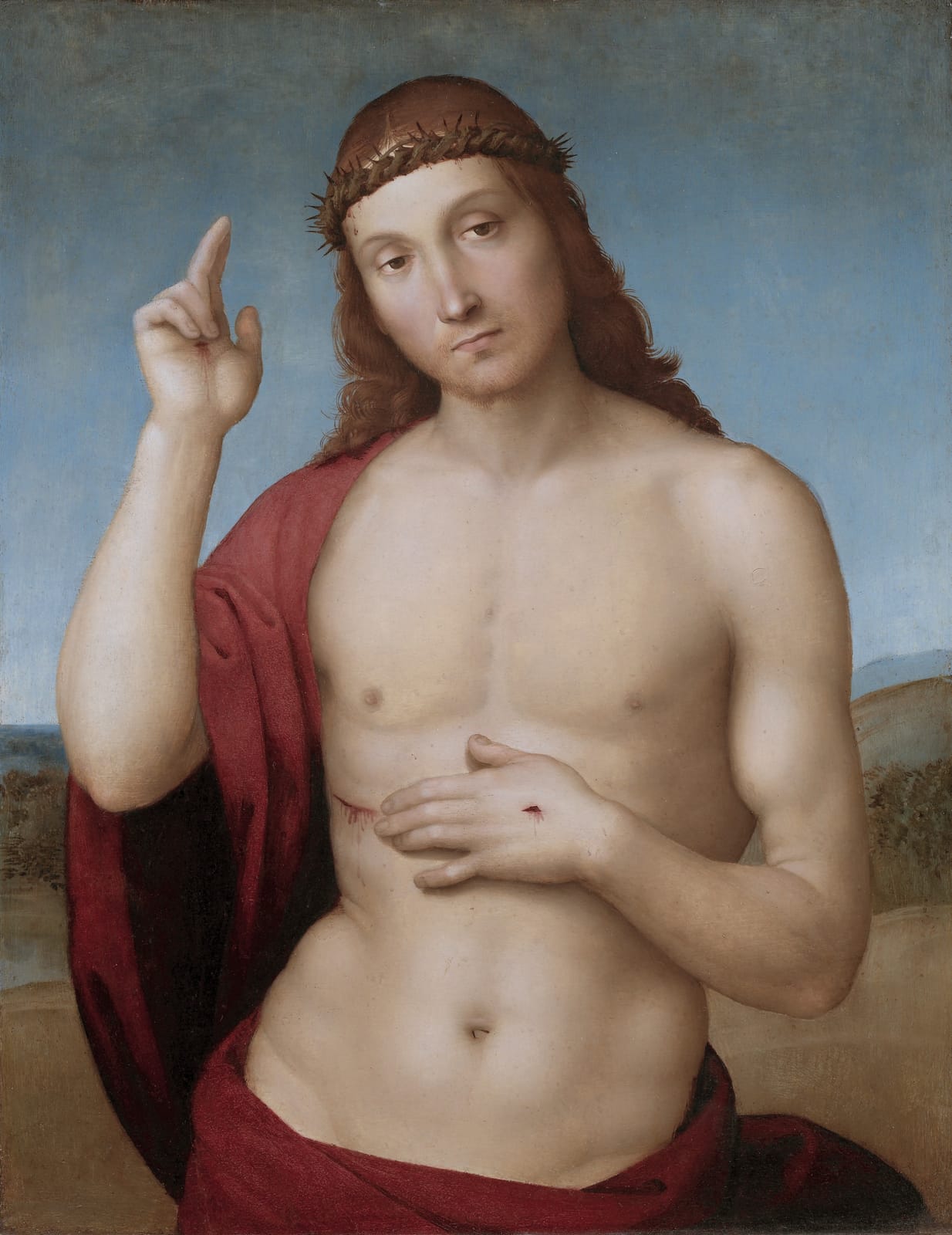
The risen Christ, bare-chested with side wound, raises his right hand in blessing
Christ Blessing (Pax Vobiscum), Raphael (1483–1520), c. 1505. Credits

Paschal Time

May 5, 2024

The Fifth Sunday after Easter

From Dom Guéranger’s The Liturgical Year.

Yet four days, and our risen Jesus, whose company has been so dear and precious to us, will have disappeared from the earth. This fifth Sunday after Easter seems to prepare us for the separation. In a week’s time, we shall begin the long series of Sundays which are to pass before He returns to judge the world. This is a grief to the Christian; for he knows that he will not see his Saviour until after this life, and he feels something of the sorrow the apostles had at the last Supper, when Jesus said to them: ‘Yet a little while, and ye shall not see Me.’

But, after His Resurrection, what must these privileged men have felt, when they perceived, as we do, that this beloved Master was soon to leave them! They had, so to speak, been living with Jesus glorified; they had experienced the effects of His divine condescension and intimacy; they had received from His lips every instruction they needed for the fulfilment of His will, that is, for founding on earth the Church He had chosen as His spouse.
Chapter 6: On Holy Communion during Paschal Time

From Dom Guéranger’s The Liturgical Year.

IN Passiontide, the Christian went to holy Communion impressed with these words of the Apostle: ‘As often as ye shall eat this Bread, and drink the Chalice, ye shall show the death of the Lord.’ He united himself with the divine Victim immolated for the sins of the world, and he died with his Saviour. During Paschal Time, the heavenly Food produces its effects in another manner; it fortifies the life of the soul, and gives to the body the germ of immortality. It is true that in each season of the liturgical year this twofold effect is produced in those who worthily receive Communion, namely, immolation and resurrection; but as, during the days consecrated to the Passion, the application of the mystery of immolation and sacrifice is more direct and more in accordance with the sentiments of the communicant, so also, during Paschal Time, the divine contact of the Body of our risen Jesus makes us feel, in a way that Easter alone can do, that to the holy Eucharist we owe the future resurrection of our bodies.

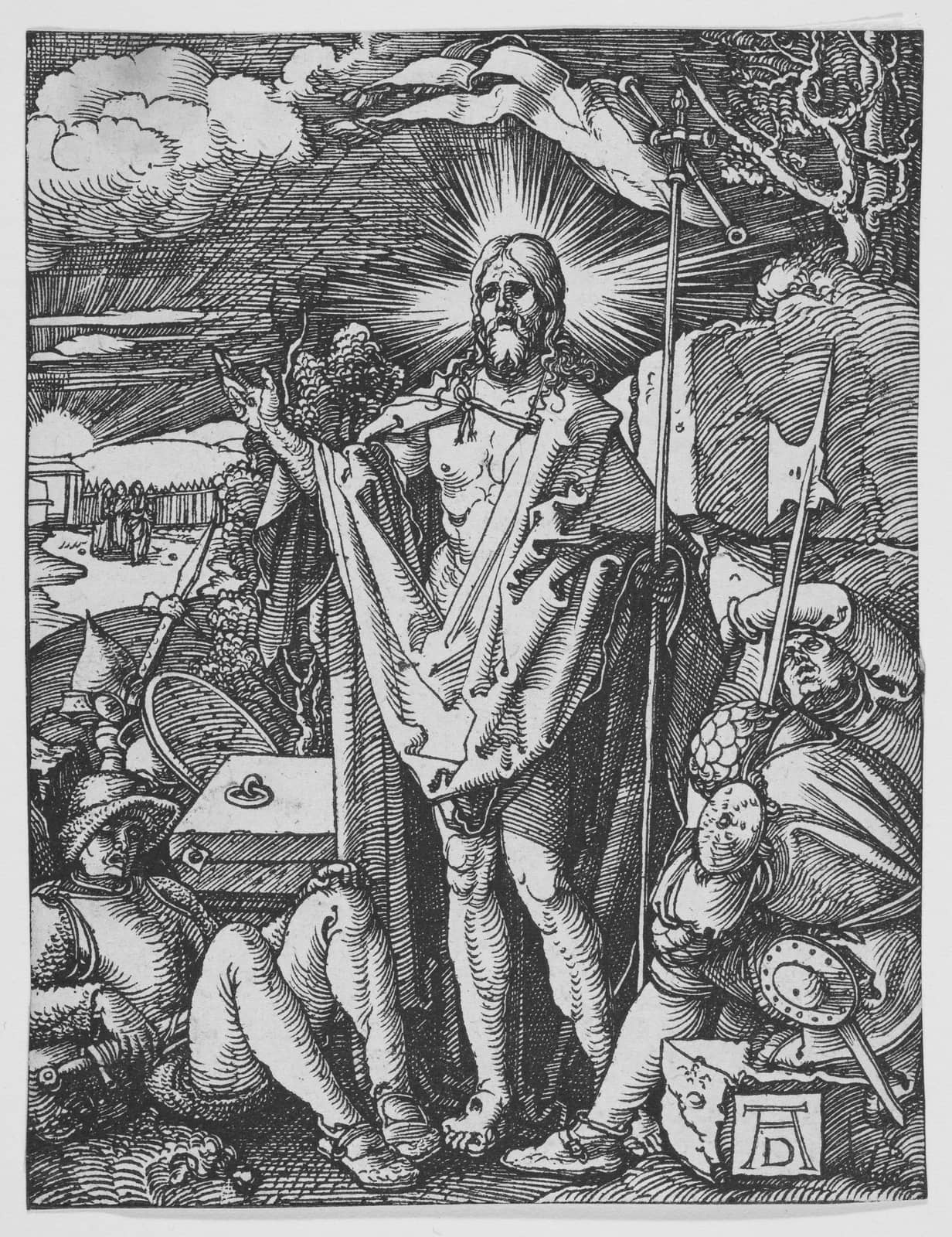
The risen Christ stepping from the tomb
Albrecht Dürer (1471–1528), The Resurrection, from The Small Passion, ca. 1510. Credits

Email view of this day