This day

July 1, 2024

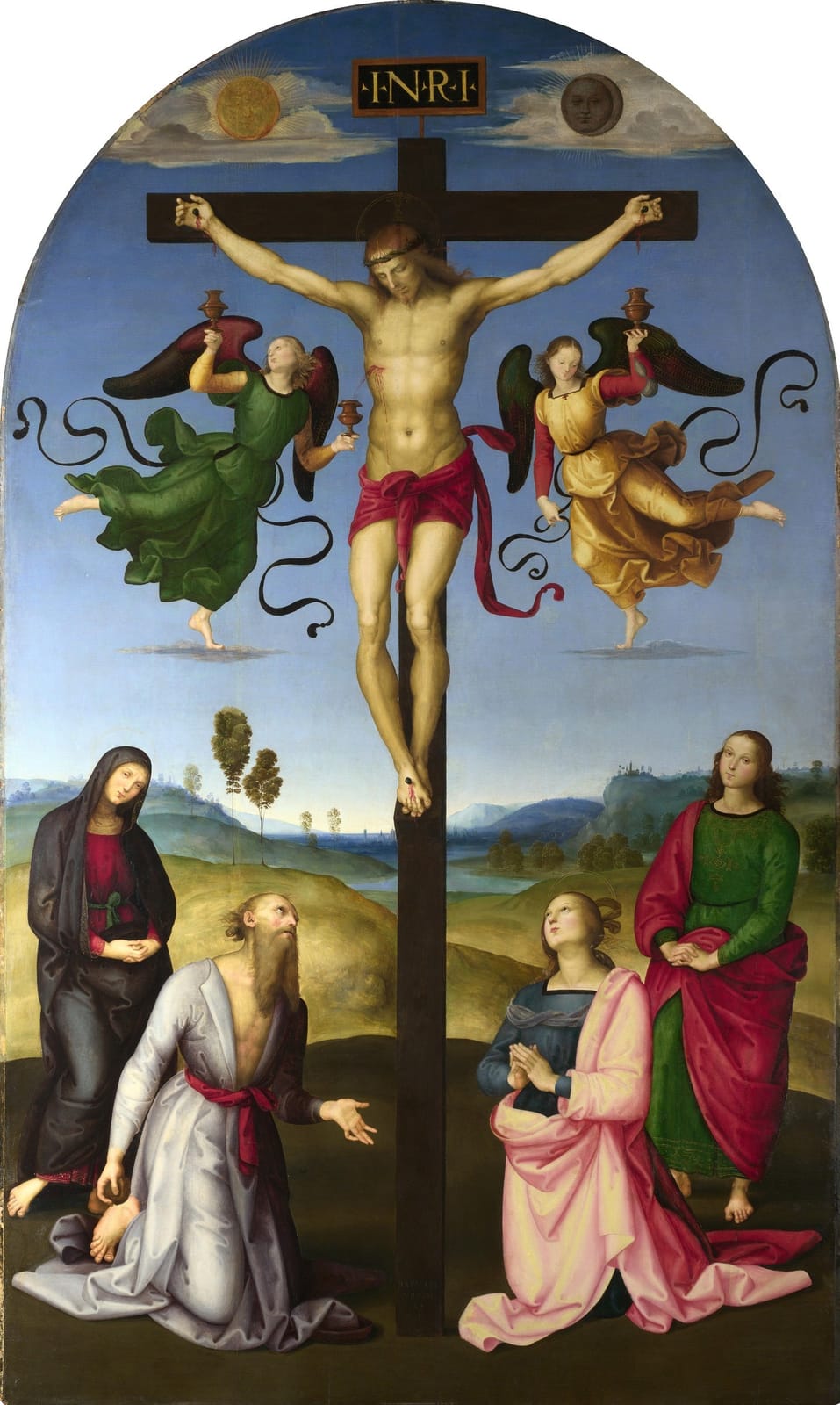
The Mond Crucifixion
The Mond Crucifixion, Raphael (1483–1520), c. 1502–1503. Credits

After Pentecost

July 1, 2024

July 1: Feast of the Most Precious Blood of Our Lord Jesus Christ

From Dom Guéranger’s The Liturgical Year.

JOHN the Baptist has pointed out the Lamb, Peter has firmly established his throne, Paul has prepared the bride; their joint work, admirable in its unity, at once suggests the reason for their feasts occurring almost simultaneously in the cycle. The alliance being now secured, all three fall into shade; whilst the bride herself, raised up by them to such lofty heights, appears alone before us, holding in her hands the sacred cup of the nuptial-feast.

This gives the key of to-day's solemnity, revealing how its appearance in the heavens of the holy liturgy at this particular season is replete with mystery. The Church, it is true, has already made known to the sons of the new covenant, in a much more solemn manner, the price of the Blood that redeemed them, its nutritive strength and the adoring homage which is its due. On Good Friday earth and heaven beheld all sin drowned in the saving stream, whose eternal flood-gates at last gave way beneath the combined effort of man's violence and of the love of the divine Heart. The festival of Corpus Christi witnessed our prostrate worship before the altars whereon is perpetuated the Sacrifice of Calvary, and where the outpouring of the precious Blood affords drink to the humblest little ones, as well as to the mightiest potentates of earth, lowly bowed in adoration before it.
Chapter 3: The Practice for the Time after Pentecost

From Dom Guéranger’s The Liturgical Year.

The object which the Church has in view by her liturgical year is the leading of the Christian soul to union with Christ, and this by the Holy Ghost. This object is the one which God Himself has in giving us His own Son to be our mediator, our teacher, and our Redeemer, and in sending us the Holy Ghost to abide among us. To this end is directed all that aggregate of rites and prayers which we have hitherto explained: they are not a mere commemoration of the mysteries achieved for our salvation by the divine goodness, but they bring with them the graces corresponding to each of those mysteries; that thus we may come, as the apostle expresses it, ‘to the age of the fullness of Christ.’

As we have elsewhere explained, our sharing in the mysteries of Christ, which are celebrated in the liturgical year, produces in the Christian what is called in mystic theology the illuminative life, in which the soul gains continually more and more of the light of the Incarnate Word, who, by His examples and teachings, renovates each one of her faculties, and imparts to her the habit of seeing all things from God’s point of view.

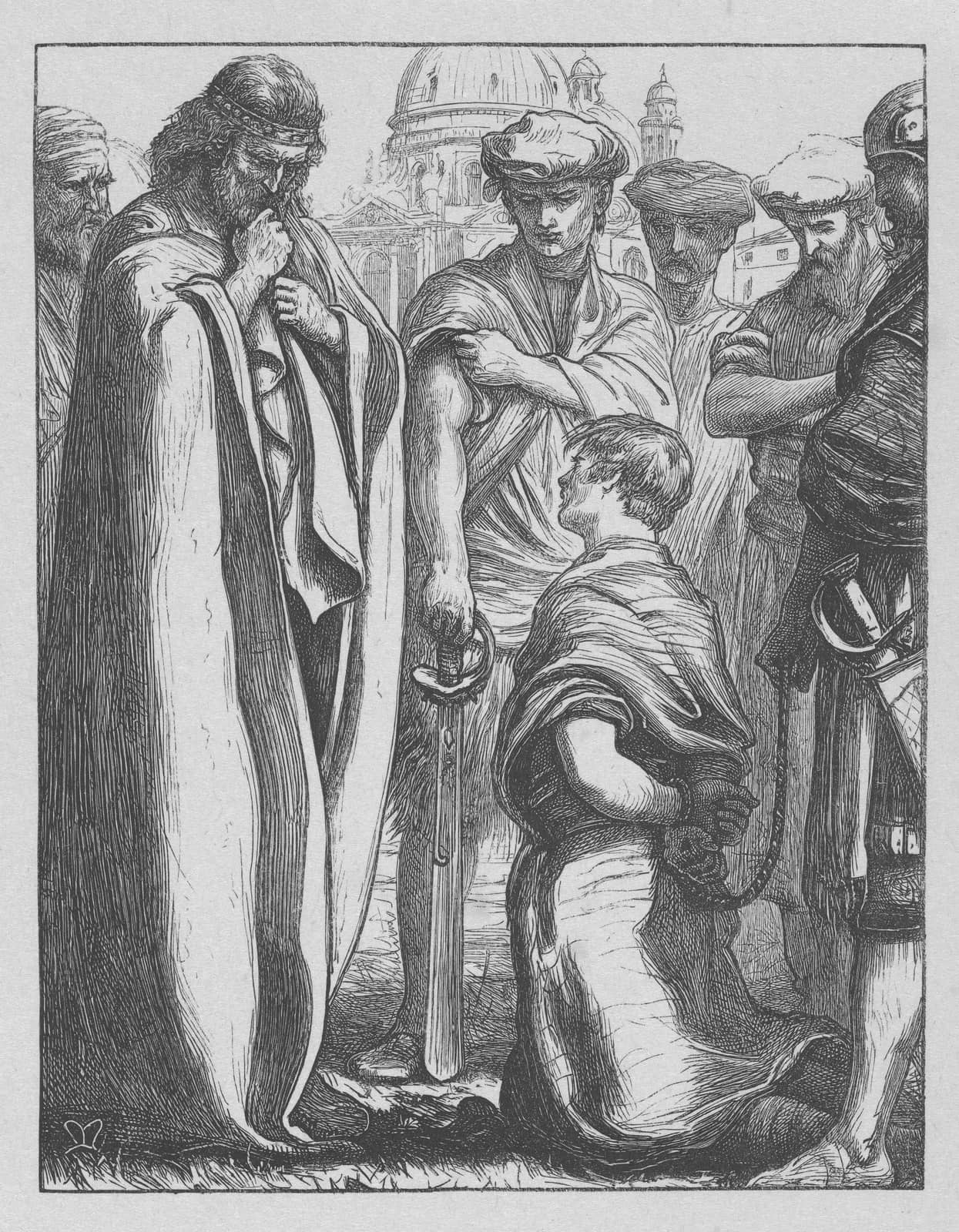
The parable of the unmerciful servant
Sir John Everett Millais (1829–1896), The Unmerciful Servant, from The Parables of Our Lord and Saviour Jesus Christ, 1864. Credits

Email view of this day