This day

July 25, 2024

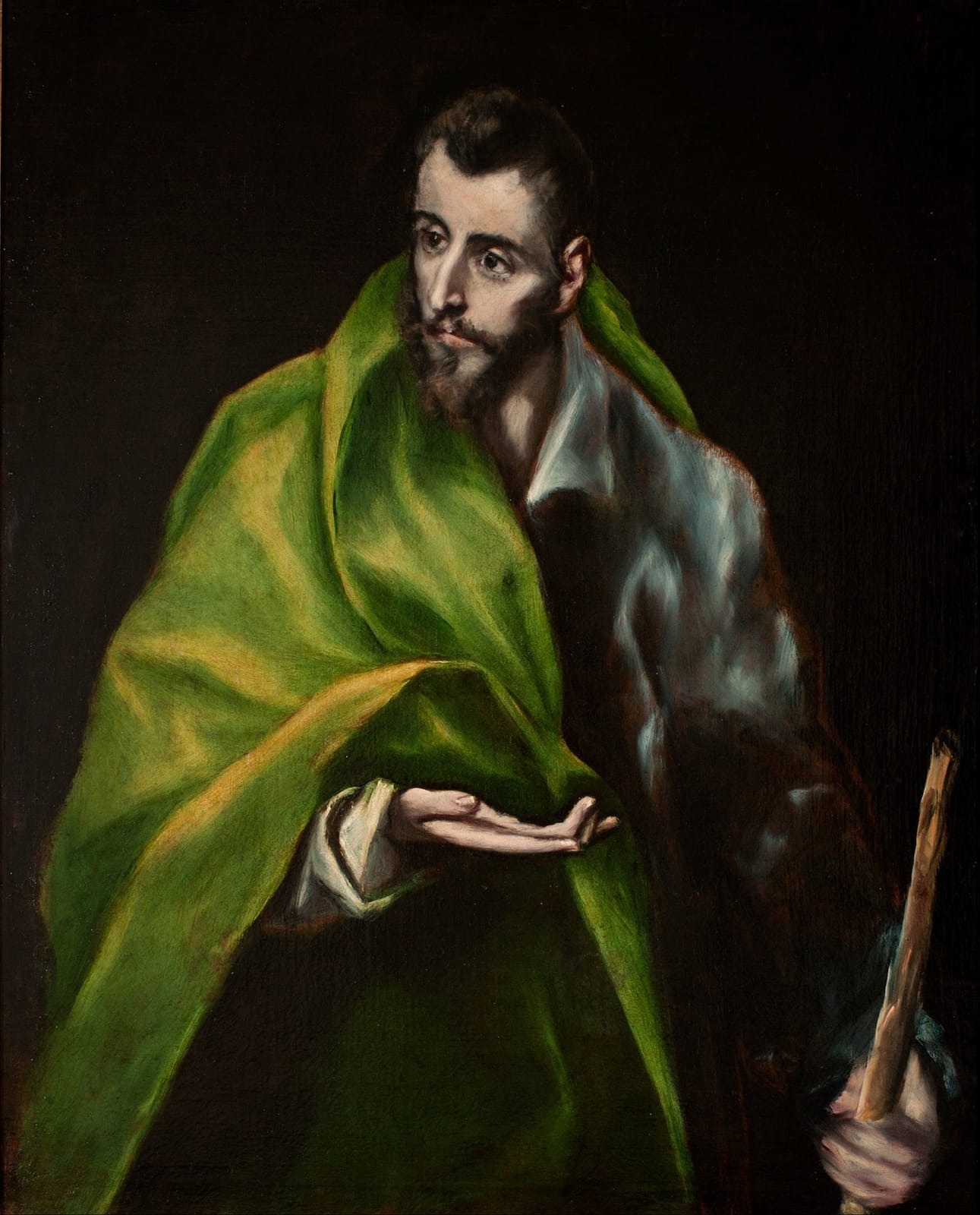
Saint James the Greater
Saint James the Greater, El Greco (1541–1614), c. 1610. Credits

After Pentecost

July 25, 2024

A Double of the II Class leads; St. Christopher is commemorated.Rubric

July 25: St. James the Great, Apostle

From Dom Guéranger’s The Liturgical Year.

LET us, to-day, hail the bright star which once made Compostella so resplendent with its rays that the obscure town became, like Jerusalem and Rome, a centre of attraction to the piety of the whole world. As long as the Christian empire lasted, the sepulchre of St. James the Great rivalled in glory that of St. Peter himself.

Among the saints of God, there is not one who manifested more evidently how the elect keep up after death an interest in the works confided to them by our Lord. The life of St. James after his call to the apostolate was but short; and the result of his labours in Spain, his allotted portion, appeared to be a failure. Scarcely had he, in his rapid course, taken possession of the land of Iberia, when, impatient to drink the chalice which would satisfy his continual desire to be close to his Lord, he opened by martyrdom the heavenward procession of the twelve, which was to be closed by the other son of Zebedee. O Salome, who didst give them both to the world, and didst present to Jesus their ambitious prayer, rejoice with a double joy: thou art not repulsed; He who made the hearts of mothers is thine abettor.
Chapter 3: The Practice for the Time after Pentecost

From Dom Guéranger’s The Liturgical Year.

The object which the Church has in view by her liturgical year is the leading of the Christian soul to union with Christ, and this by the Holy Ghost. This object is the one which God Himself has in giving us His own Son to be our mediator, our teacher, and our Redeemer, and in sending us the Holy Ghost to abide among us. To this end is directed all that aggregate of rites and prayers which we have hitherto explained: they are not a mere commemoration of the mysteries achieved for our salvation by the divine goodness, but they bring with them the graces corresponding to each of those mysteries; that thus we may come, as the apostle expresses it, ‘to the age of the fullness of Christ.’

As we have elsewhere explained, our sharing in the mysteries of Christ, which are celebrated in the liturgical year, produces in the Christian what is called in mystic theology the illuminative life, in which the soul gains continually more and more of the light of the Incarnate Word, who, by His examples and teachings, renovates each one of her faculties, and imparts to her the habit of seeing all things from God’s point of view.

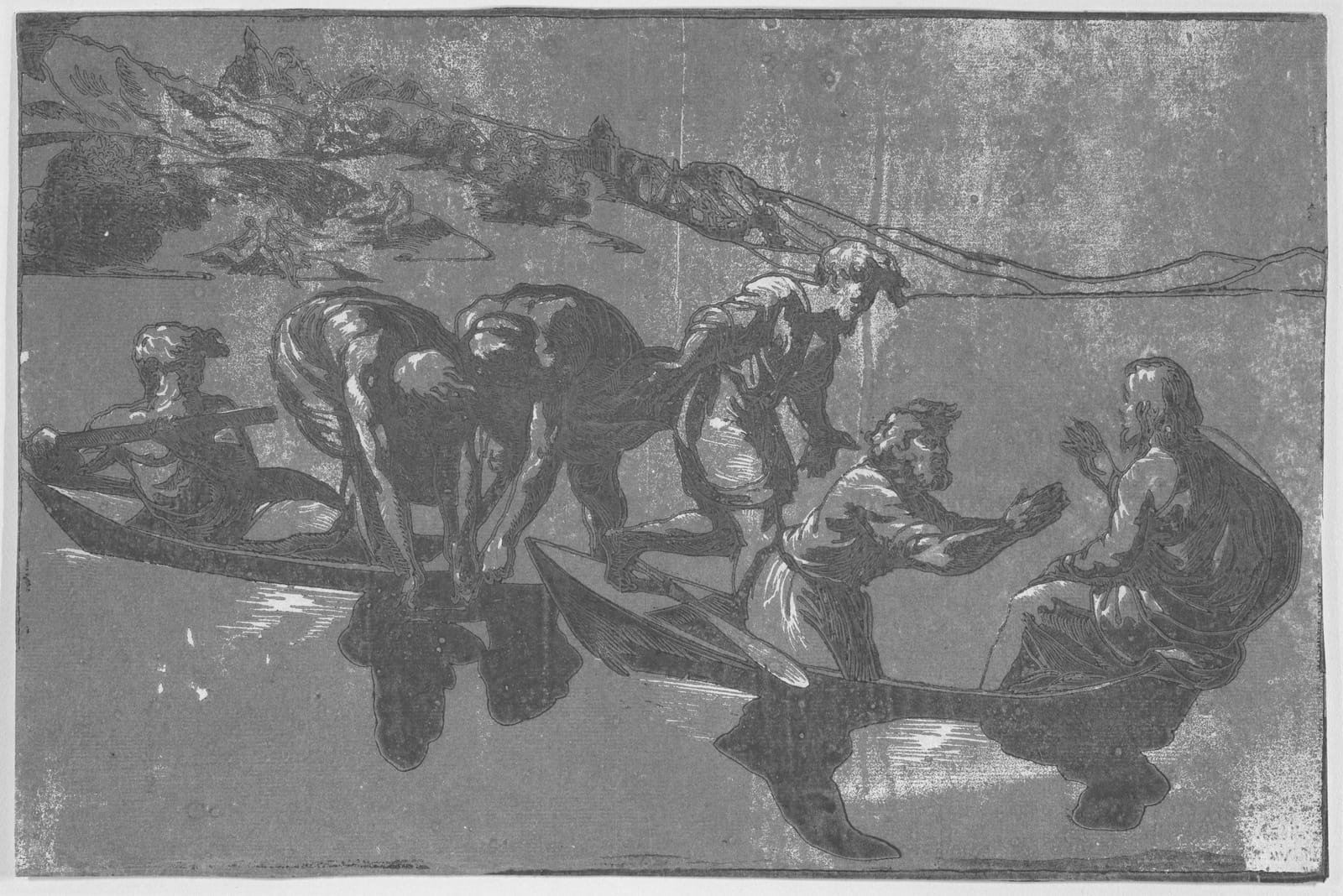
The miraculous draught of fishes
Niccolò Vicentino (1510–1550), The Miraculous Draught of Fishes, 1540–50. Credits

Email view of this day