This day

August 17, 2024

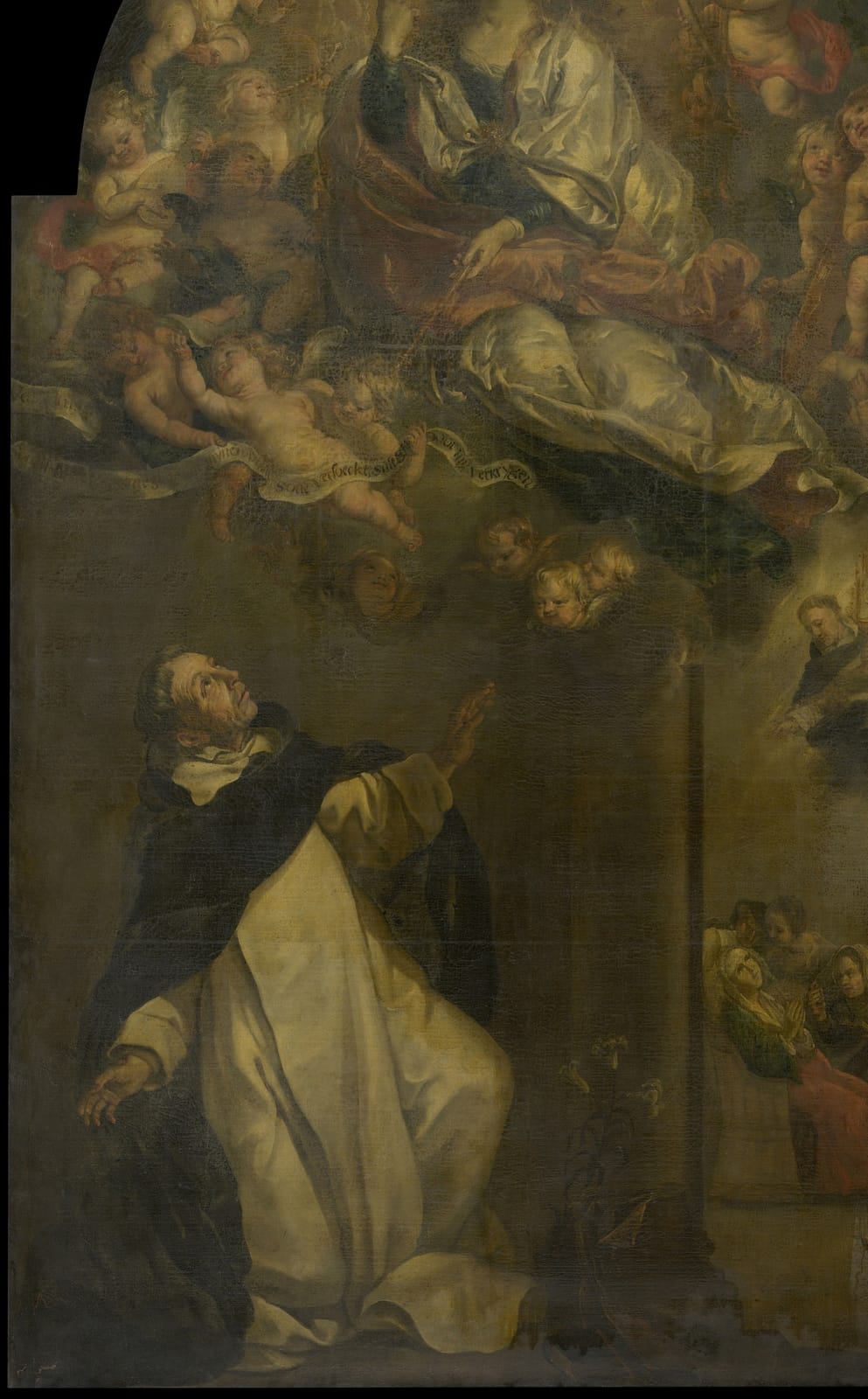
Vision of St Hyacinth
The Vision of Saint Hyacinth of Poland, Nicolaas de Liemacker. Credits

After Pentecost

August 17, 2024

August 17: St. Hyacinth, Confessor

From Dom Guéranger’s The Liturgical Year.

ONE of the loveliest lilies from the Dominican field to-day unfurls its petals at the foot of Mary's throne. Hyacinth represents on the sacred cycle that intrepid band of missionaries who, in the thirteenth and fourteenth centuries, faced the barbarism of the Tartars and Mussulmans which was threatening the West. From the Alps to the northern frontiers of the Chinese Empire, from the islands of the Archipelago to the Arctic regions, he propagated his Order and spread the kingdom of God. On the steppes, where the schism of Constantinople disputed its conquests with the idolatrous invaders from the North, he was seen for forty years working prodigies, confounding heresy, dispelling the darkness of infidelity.

The consecration of martyrdom was not wanting to this, any more than to the first apostolate. Many were the admirable episodes where the angels seemed to smile upon the hard combats of their earthly brethren. In the convent founded by Hyacinth at Sandomir on the Vistula, forty-eight Friars Preachers were gathered together under the rule of blessed Sadoc. One day the lector of the Martyrology, announcing the feast of the morrow, read these words which appeared before his eyes in letters of gold: At Sandomir on the fourth of the Nones of June, the Passion of Forty-nine Martyrs.
Chapter 2: The Mystery of the Time after Pentecost

From Dom Guéranger’s The Liturgical Year.

That we may thoroughly understand the meaning and influence of the season of the liturgical year upon which we have now entered, it is requisite for us to grasp the entire sequel of mysteries, which holy Church has celebrated in our presence and company; we have witnessed her services, and we have shared in them. The celebration of those mysteries was not an empty pageant, acted for the sake of being looked at. Each one of them brought with it a special grace, which produced in our souls the reality signified by the rites of the liturgy. At Christmas Christ was born within us; at Passiontide He passed on and into us His sufferings and atonements; at Easter He communicated to us His glorious, His untrammelled life; in His Ascension He drew us after Him, and this even to heaven’s summit; in a word, as the apostle expresses all this working, ‘Christ was formed in us.’

But, in order to give solidity and permanence to the image of Christ formed within us, it was necessary that the Holy Ghost should come, that so He might increase our light, and enkindle a fire within us that should never be quenched.

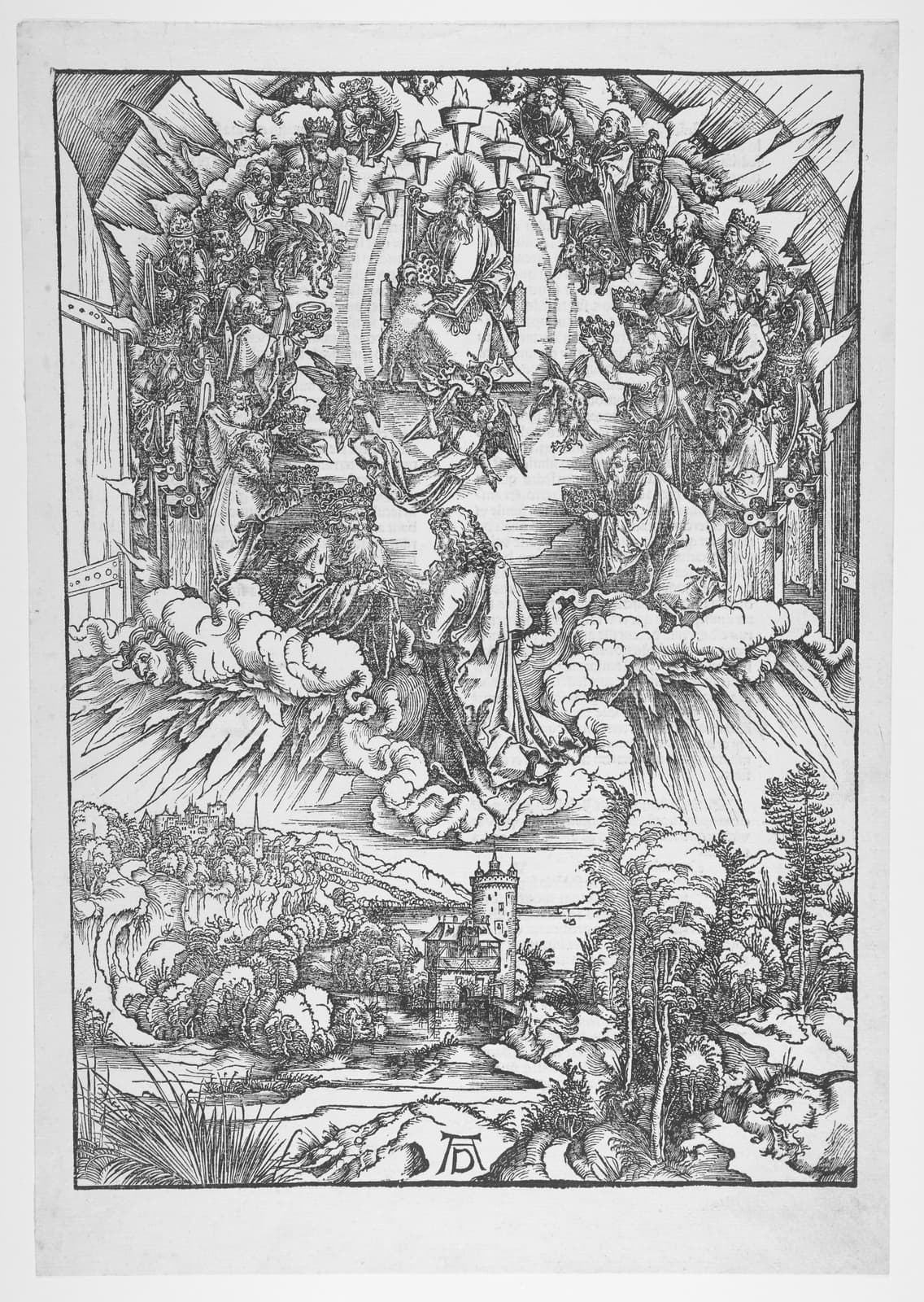
Saint John before God and the elders
Albrecht Dürer (1471–1528), Saint John Before God and the Elders, from The Apocalypse, 1498. Credits

Email view of this day