This day

September 20, 2024

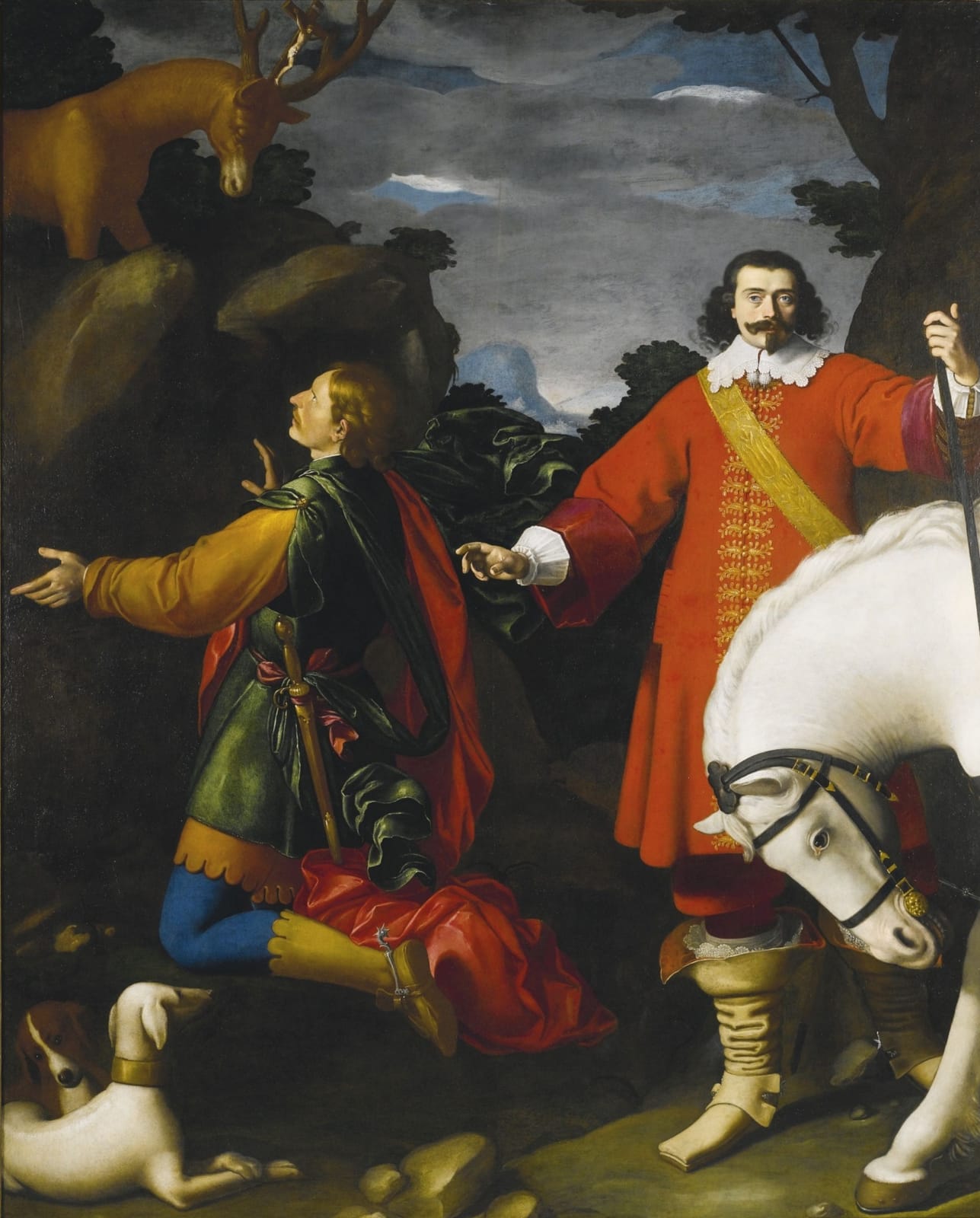
The Vision of Saint Eustace, with a Portrait of the Donor beside his Horse
The Vision of Saint Eustace, with a Portrait of the Donor beside his Horse, Carlo Ceresa (1609–1679), c. 1640. Credits

After Pentecost

September 20, 2024

September 20: St. Eustace and His Companions, Martyrs

From Dom Guéranger’s The Liturgical Year.

The twentieth of September marks one of the saddest events in history. At the height of her power, in the glorious days of Pepin and Charlemagne, the eldest daughter of the Church had crowned her mother; and the Church, in the person of her Head, reigned in reality, as well as by right, until, a thousand years later, satan took advantage of the fallen state of France to despoil Peter of the patrimony which ensured his independence. The holy cross is still shedding its rays upon us!

To-day a group of martyrs, and this time a whole family, father, mother, and sons, take up their position around the standard of salvation. While the antiquity of their cultus in both east and west rests on the best authority, the details of their life are extremely vague. Could Placid the tribune, whose exploits are recorded by Josephus in his Wars of the Jews, be the same as the Eustace we are celebrating to-day? Does the genealogy of our saint connect him with the Octavia family, from which Augustus sprang? Again are we to recognize as his direct descendant the noble Tertullus, who confided to St. Benedict his son Placid, the favourite child of the holy patriarch, and the proto-martyr of the Benedictine Order?

This week's Sunday: The Seventeenth Sunday after Pentecost

From Dom Guéranger’s The Liturgical Year.

The Gospel, which is now assigned to the Mass of the seventeenth Sunday, has given it the name of the Sunday of the love of God, dating, that is, from the time when the Gospel of the cure of the dropsy and of the invitation to the wedding-feast was anticipated by eight days. Previously even to that change, and from the very first, there used to be read, on this seventeenth Sunday, another passage from the new Testament, which is no longer found in this series of Sundays: it was the Gospel which mentions the difficulty regarding the resurrection of the dead, which the Sadducees proposed to our Lord.

The judgments of God are always just, whether it be, in His justice, humbling the proud, or, in His mercy, exalting the humble. This day last week we saw this sovereign disposer of all things, allotting to each his place at the divine banquet. Let us recall to mind the behaviour of the guests, and the respective treatment shown to the humble and the proud. Adoring these judgments of our Lord, let us sing our Introit; and, as far as regards ourselves, let us throw ourselves entirely upon His mercy.

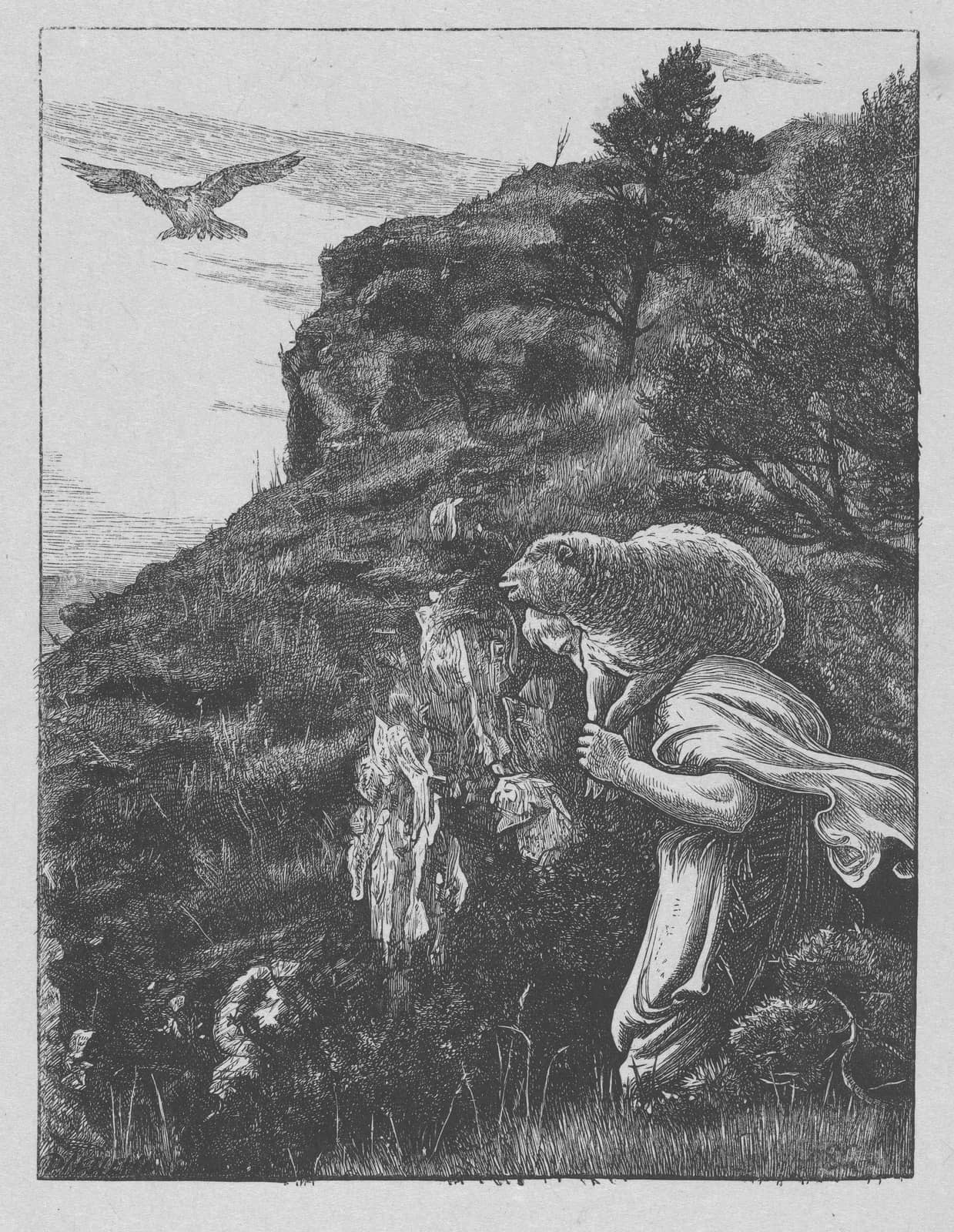
A shepherd carries the lost sheep
Sir John Everett Millais (1829–1896), The Lost Sheep, from The Parables of Our Lord and Saviour Jesus Christ, 1864. Credits

Email view of this day