After Pentecost
October 11, 2024
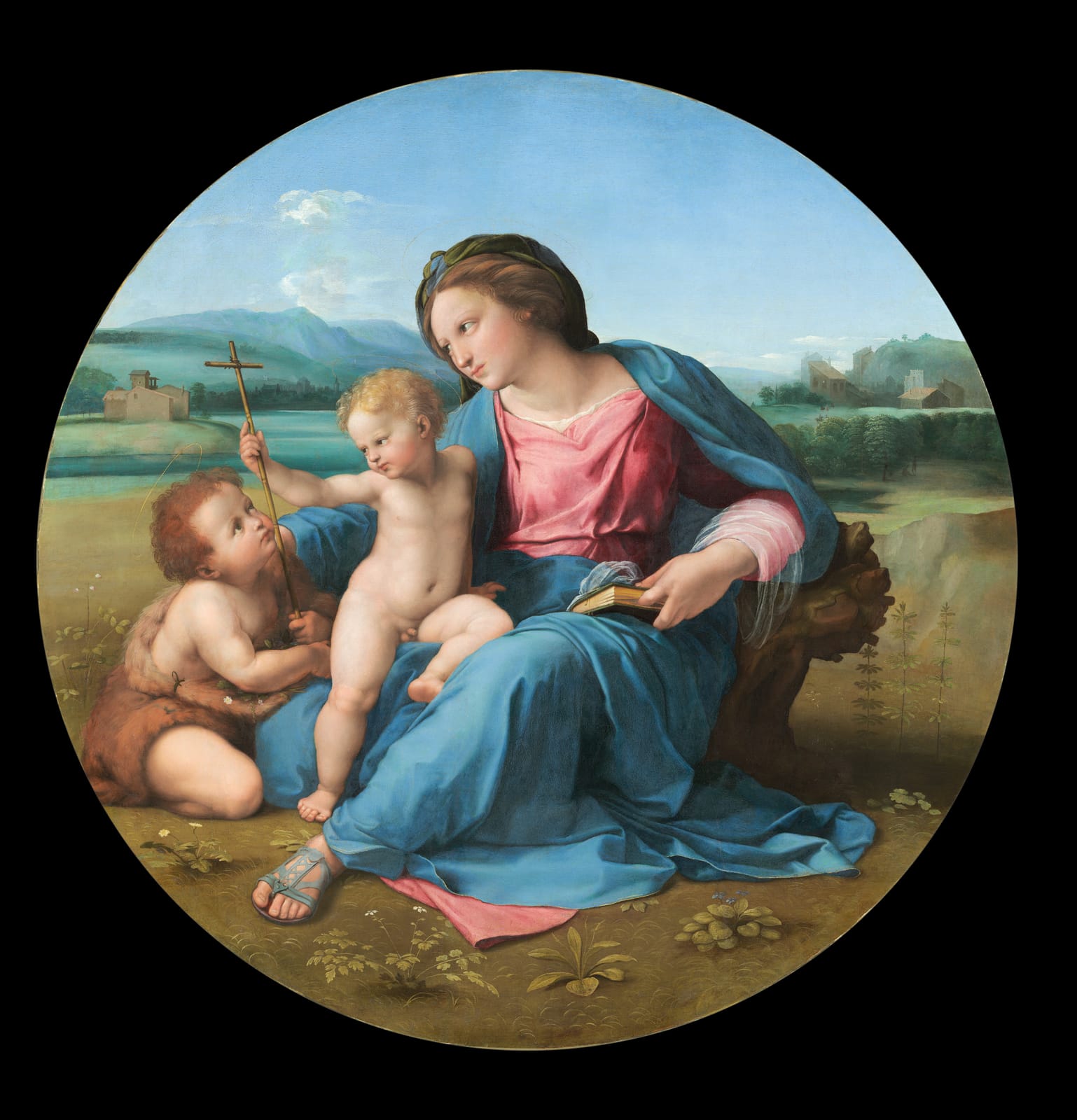
October 11: The Motherhood of the Blessed Virgin Mary
From Dom Guéranger’s The Liturgical Year.
In the sixteenth century, even amidst their many divergences, the so-called Reformers agreed in utterly rejecting all the honours paid by the Catholic Church to the Blessed Virgin Mary, on the grounds that such veneration of the Mother detracted from the supreme worship due to her divine Son. Four centuries have more than sufficed to show the result of so doing: the Son has followed the Mother! The descendants of those who refused to Mary the title and rights of Theotokos—Mother of God—refuse to Jesus the title of Son of God in the traditional sense of the term. Many reject his Godhead altogether, placing him merely at the head of the line of great moral and social world-teachers; others still retain the word “divinity” with respect to him, but for them it is no longer synonymous with “deity.”
Holy Scripture tells us that those who first came to adore him who is Son of God and Son of Mary found him “with Mary his Mother.” At the scene of the first miracle at Cana, which marked the opening of his public life, “the Mother of Jesus was there.”