This day

November 24, 2024

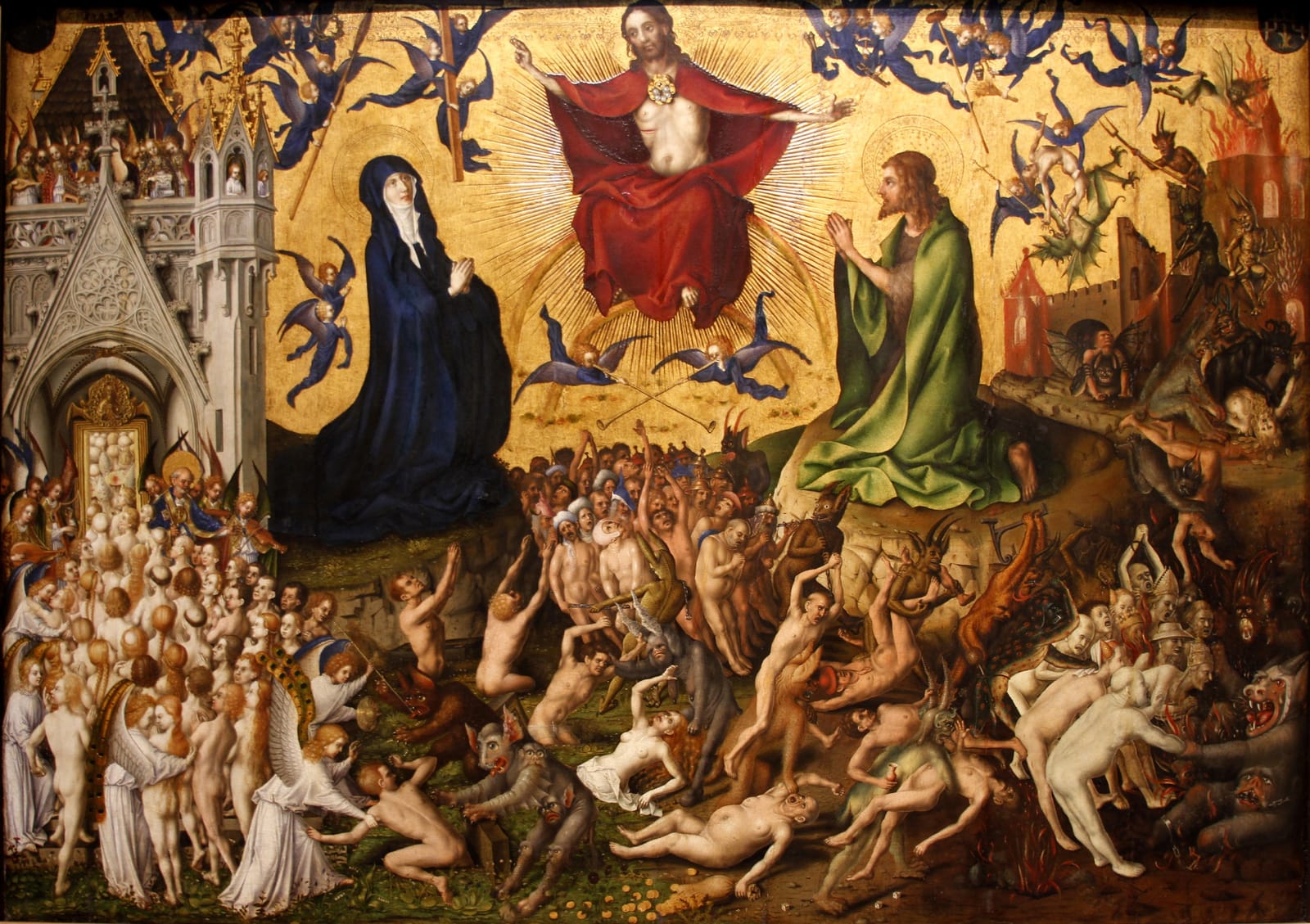
Christ the Judge over the blessed and the damned at the Last Judgment
The Last Judgement, Stefan Lochner (1410–1451), c. 1435. Credits

After Pentecost

November 24, 2024

The Twenty-Fourth Sunday after Pentecost

From Dom Guéranger’s The Liturgical Year.

The number of the Sundays after Pentecost may exceed twenty-four, and go as far as twenty-eight, according as Easter is each year more or less near to the vernal equinox. But the Mass here given is always reserved for the last; and the intervening ones, be their number what it may, are taken from the Sundays after the Epiphany, which, in that case, were not used at the beginning of the year. This, however, does not apply to the Introit, Gradual, Offertory, and Communion, which, as we have already said, are repeated from the twenty-third Sunday.

We have seen how that Mass of the twenty-third Sunday was regarded, by our forefathers, as really the last of the cycle. Abbot Rupert has given us the profound meaning of its several parts. According to the teaching we have already pondered over, the reconciliation of Juda was shown us as being, in time, the term intended by God: the last notes of the sacred liturgy blended with the last scene of the world’s history, as seen and known by God. The end proposed by eternal Wisdom in the world’s creation, and mercifully continued, after the fall, by the mystery of Redemption, has now (we speak of the Church’s year and God’s workings) been fully carried out.
Chapter 4: Morning and Night Prayers for the Time after Pentecost

From Dom Guéranger’s The Liturgical Year.

During this second part of the year, the Christian, on waking in the morning, will unite himself with holy Church, who, every day in her Office of Lauds, hails the return of light, making use of these words of the royal prophet: Deus, Deus meus, ad te de luce vigilo.

He will profoundly adore the divine Majesty; and, thanking his sovereign Lord, who has protected him while involved in the darkness of night, he will proffer Him his service for the whole day which is now commencing; he will wish to spend it in love and obedience, as behoves one whom Christ has united to Himself by His mysteries, and whom the Holy Ghost is willing to guide and govern. The time for morning prayer being come, he may give expression to the sentiments which should then animate his soul, by using these formulas of the Church: First, praise and adoration of the most holy Trinity:
℣. Benedicamus Patrem et Filium cum Sancto Spiritu.
℟. Laudemus et superexaltemus eum in sæcula.

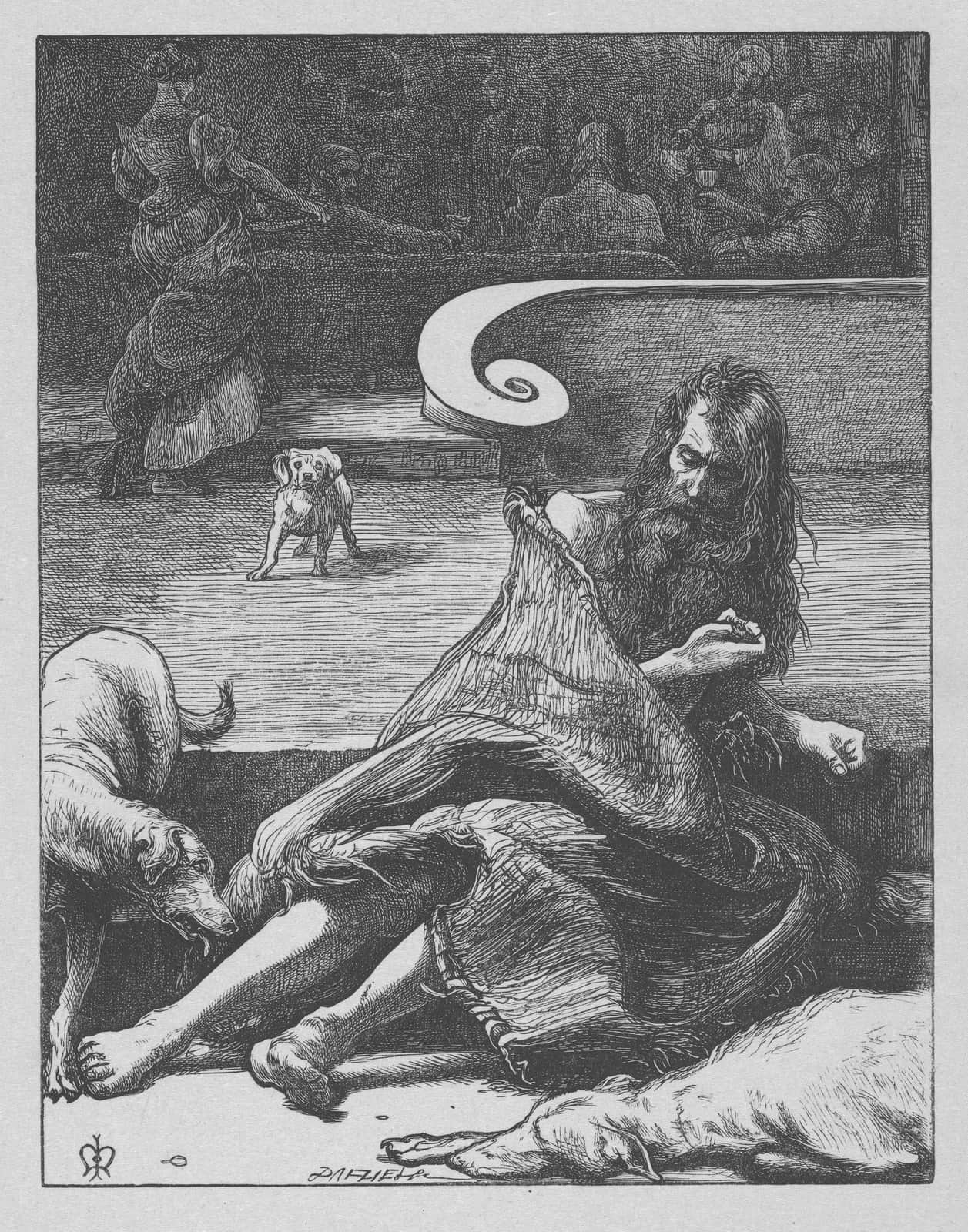
The rich man and Lazarus
Sir John Everett Millais (1829–1896), The Rich Man and Lazarus, from The Parables of Our Lord and Saviour Jesus Christ, 1864. Credits

Email view of this day