Advent
December 12, 2024
Thursday of the Second Week of Advent
From Dom Guéranger’s The Liturgical Year.
Regem venturum Dominum, venite, adoremus.De Isaia Propheta.
Cap. xix.Onus Ægypti. Ecce Dominus ascendet super nubem levem: et ingredietur Ægyptum: et commovebuntur simulacra Ægypti a facie ejus, et cor Ægypti tabescet in medio ejus: et concurrere faciam Ægyptios adversus Ægyptios, et pugnabit vir contra fratrem suum, et vir contra amicum suum, civitas adversus civitatem, regnum adversus regnum.
Come, let us adore the King our Lord, who is to come.From the Prophet Isaias.
Ch. xix.The burden of Egypt. Behold the Lord will ascend upon a light cloud: and will enter into Egypt: and the idols of Egypt shall be moved at his presence, and the heart of Egypt shall melt in the midst thereof: and I will set the Egyptians to fight against the Egyptians, and they shall fight brother against brother, and friend against friend, city against city, kingdom against kingdom.
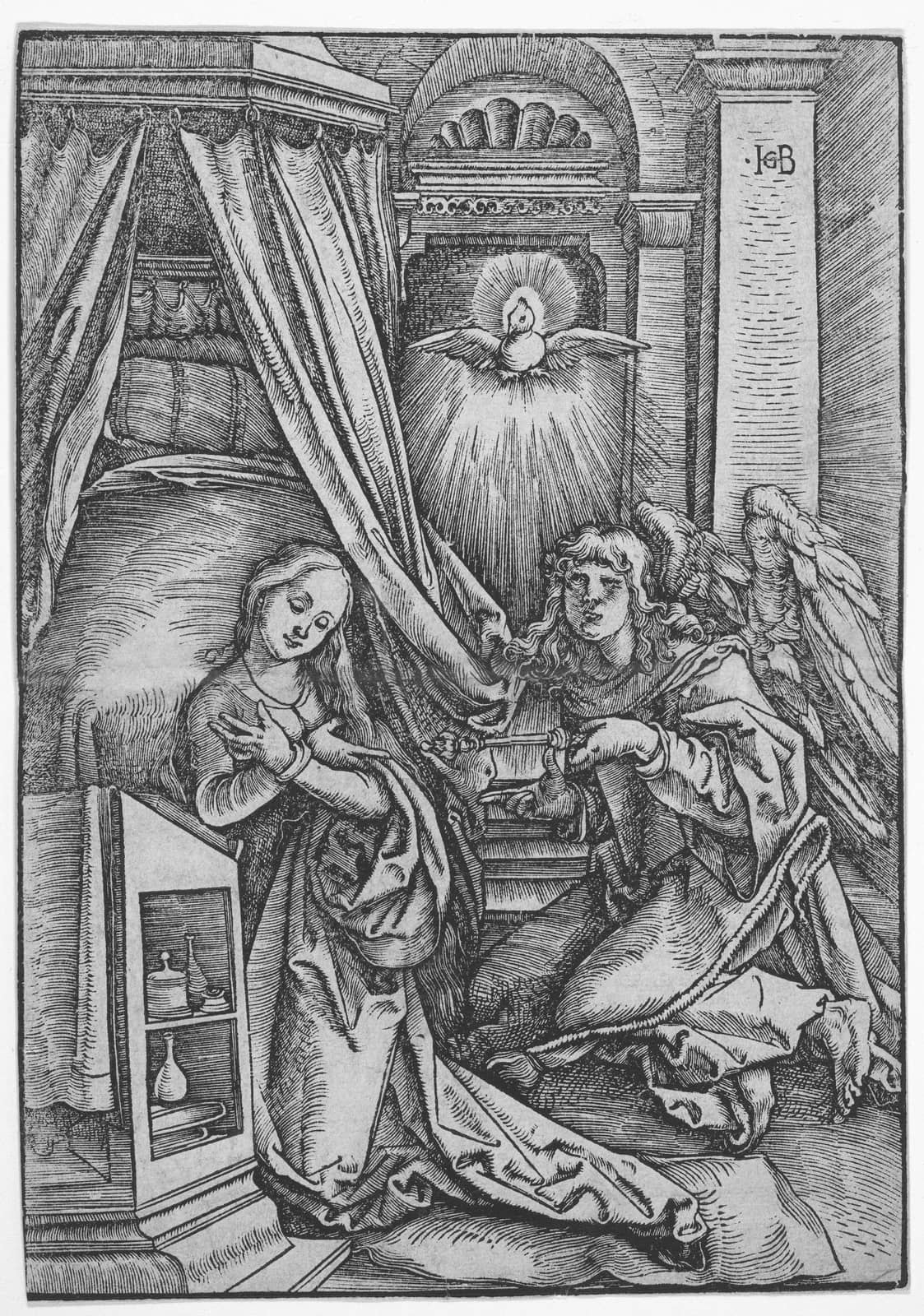
The Egypt which the Lord is here represented as visiting, and whose idols and empire He will overthrow, is the city of satan, which is to be destroyed, and to give place to the city of God. But how peaceful is the divine Conqueror’s entrance into His conquest! it is on a cloud, a light cloud, that He comes, as on His triumphal chariot. How many mysteries in these few words! ‘There are three clouds,’ says Peter of Blois; 'the first the obscurity of the prophets; the second, the depth of the divine decrees; the third, the prodigy of a Virgin Mother.’ First, as to the obscurity of the prophets, it is essential to every prophecy that it be thus veiled, to the end that man’s free will may not be interfered with; but under this cloud the Lord comes at last, and when the day comes for the prophecy to be accomplished, all things are clear enough.