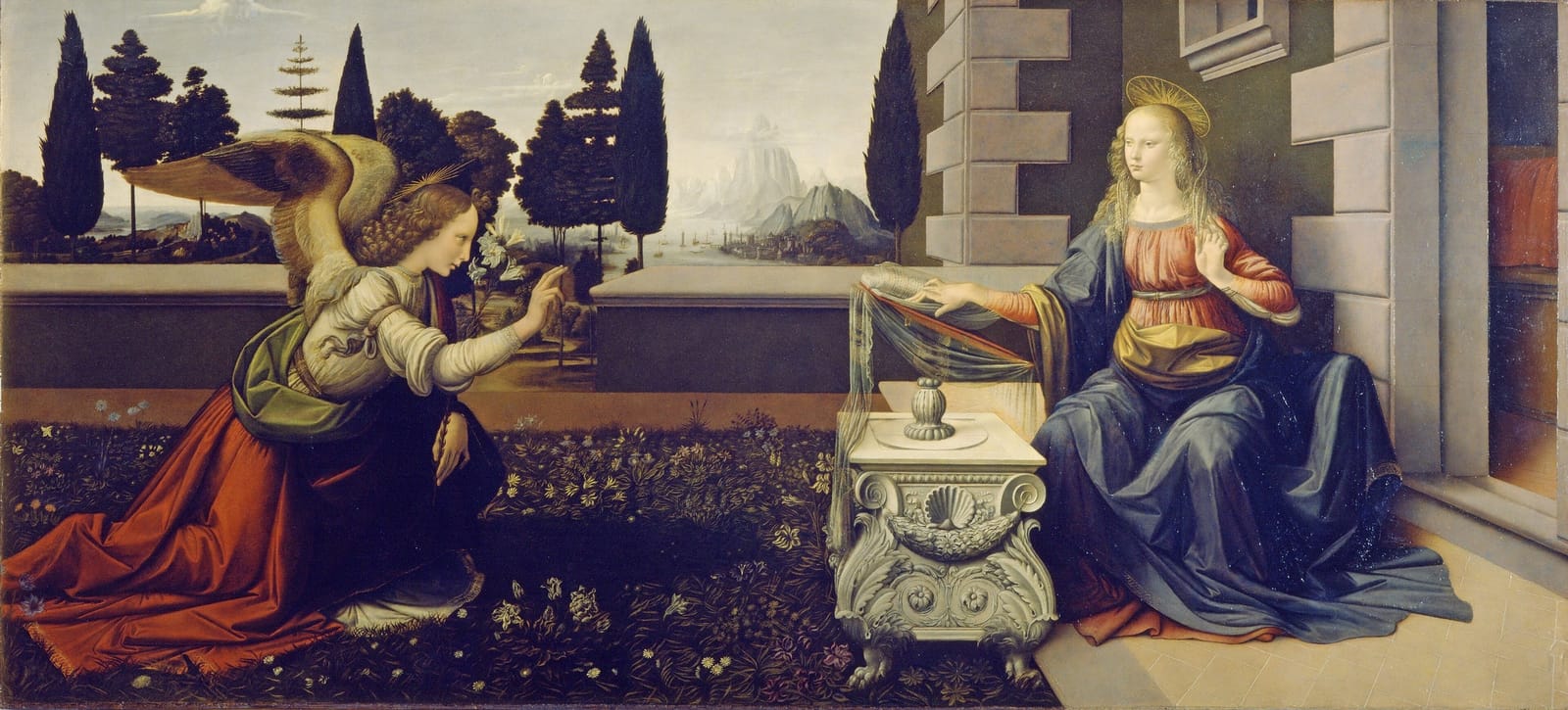
This day

March 25, 2025

The Annunciation
The Annunciation, Leonardo da Vinci (1452–1519), c. 1472–1475. Credits

Lent

March 25, 2025

A Double of the I Class leads the weekday.Rubric

March 25: The Annunciation of the Ever Blessed Virgin

From Dom Guéranger’s The Liturgical Year.

This is a great day, not only to man, but even to God Himself; for it is the anniversary of the most solemn event that time has ever witnessed. On this day, the divine Word, by whom the Father created the world, was made flesh in the womb of a virgin, and dwelt among us. We must spend it in joy. Whilst we adore the Son of God who humbled Himself by thus becoming Man, let us give thanks to the Father, who so loved the world, as to give His only-begotten Son; let us give thanks to the Holy Ghost, whose almighty power achieves the great mystery. We are in the very midst of Lent, and yet the ineffable joys of Christmas are upon us: our Emmanuel is conceived on this day, and, nine months hence, will be born in Bethlehem, and the angels will invite us to come and honour the sweet Babe.

During Septuagesima week, we meditated upon the fall of our first parents, and the triple sentence pronounced by God against the serpent, the woman, and Adam.

Tuesday of the Third Week of Lent

From Dom Guéranger’s The Liturgical Year.

The Station is in the church of St. Pudentiana, daughter of Pudens the senator. This holy virgin of Rome lived in the second century. She was remarkable for her charity, and for the zeal wherewith she sought for and buried the bodies of the martyrs. Her church is built on the very spot where stood the house in which she lived with her father and her sister St. Praxedes. St. Peter the Apostle had honoured this house with his presence, during the lifetime of Pudentiana’s grandfather.

Graciously hear us, O almighty and merciful God, and grant us the gift of salutary continence. Through Christ our Lord. Amen.

Lectio libri Regum.

IV. Cap. iv.

In diebus illis: Mulier quædam clamabat ad Elieæum prophetam, dicens: Semis tuus vir meus mortuus est: efc tu nosti quia semis tuus fuit timens Dominum: et ecce creditor venit ut tollat duos filios meos ad serviendum sibi. Cui dixit Elisæus: Quid vis ut faciam tibi? Die mihi quid habes in domo tua?

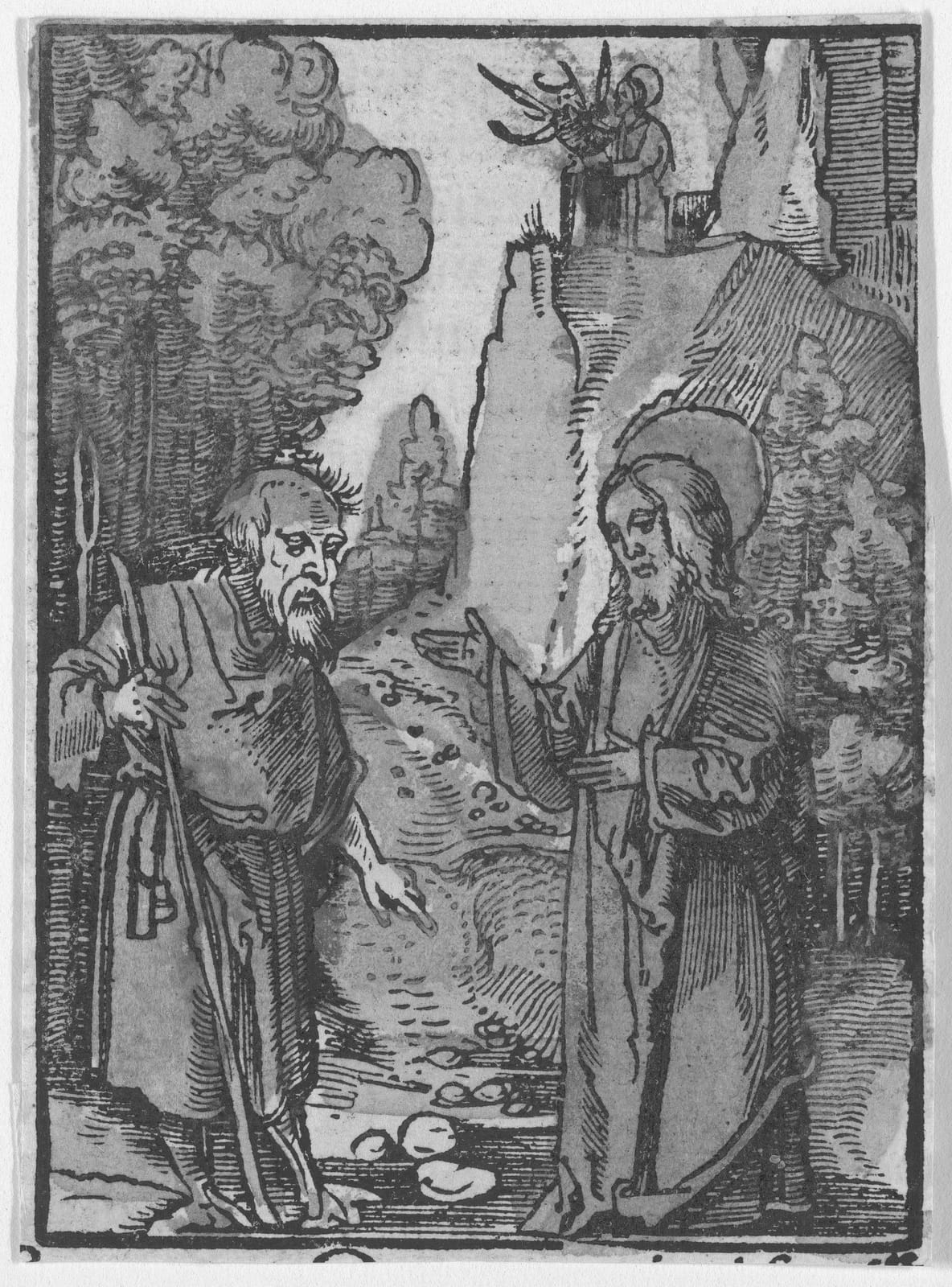
The Temptation of Christ in the wilderness
Hans Schäufelein (1480–1540), The Temptation of Christ, from Das Plenarium, 1517. Credits

Email view of this day