This day

March 27, 2025

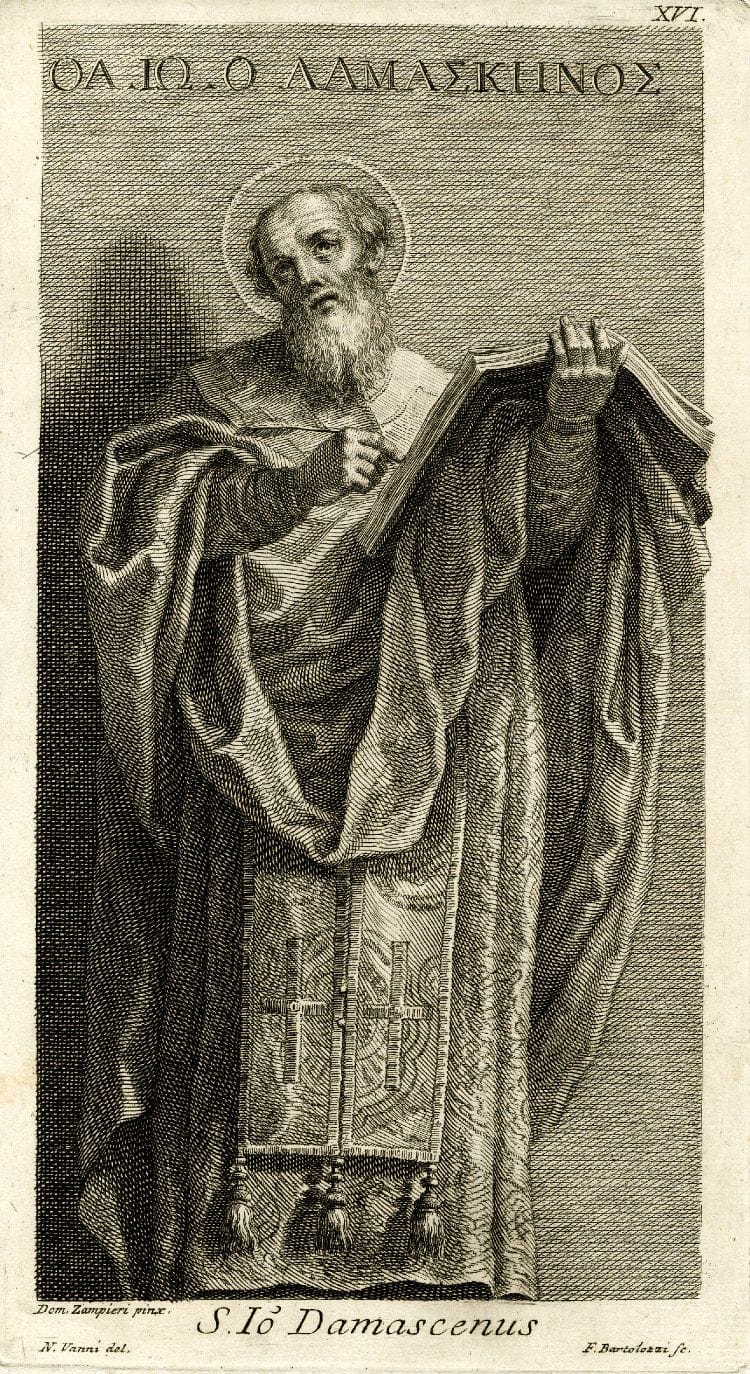
St Johannes Damascenus
St Johannes Damascenus, Francesco Bartolozzi (1728–1815), 1762. Credits

Lent

March 27, 2025

A Double leads the weekday.Rubric

March 27: St. John Damascene, Confessor and Doctor of the Church

From Dom Guéranger’s The Liturgical Year.

The faithful have not forgotten that on the first Sunday of Lent the Greeks keep one of their greatest solemnities, that of Orthodoxy. History proves that the Church of Constantinople, the new Rome, did not share the indefectibility of that of the old Rome, for it passed through a cycle of heresies on the dogma of the Incarnation. It rejected successively the consubstantiality of the Word, the unity of Person in Jesus Christ, and the integrity of His two natures. It seemed as though there were nothing left for heretical emperors and patriarchs to deny. Yet there was one more error to proclaim before the measure of false teaching was filled up.

Christ enthroned in heaven could not be belittled, but His images might be proscribed on earth. Heresy was powerless to touch the King even in these pictorial representations, but schism could at least shake off the yoke of His Vicar, and this last denial rolled the stone to the door of a tomb which the Crescent was one day to seal.

The heresy of the Iconoclasts or Image-breakers represents the last phase of Oriental error with regard to the Incarnation of the Son of God.

Thursday of the Third Week of Lent

From Dom Guéranger’s The Liturgical Year.

This day brings us to the middle of Lent, and is called mid-Lent Thursday. It is the twentieth of the forty fasts imposed upon us, at this holy season, by the Church. The Greeks call the Wednesday of this week Mesonestios, that is, the mid-fast. They give this name to the entire week, which, in their liturgy, is the fourth of the seven that form their Lent. But the Wednesday is, with them, a solemn feast, and a day of rejoicing, whereby they animate themselves to courage during the rest of the season. The Catholic nations of the west, though they do not look on this day as a feast, have always kept it with some degree of festivity and joy. The Church of Rome has countenanced the custom by her own observance of it; but, in order not to give a pretext to dissipation, which might interfere with the spirit of fasting, she postpones to the following Sunday the formal expression of this innocent joy, as we shall see further on.

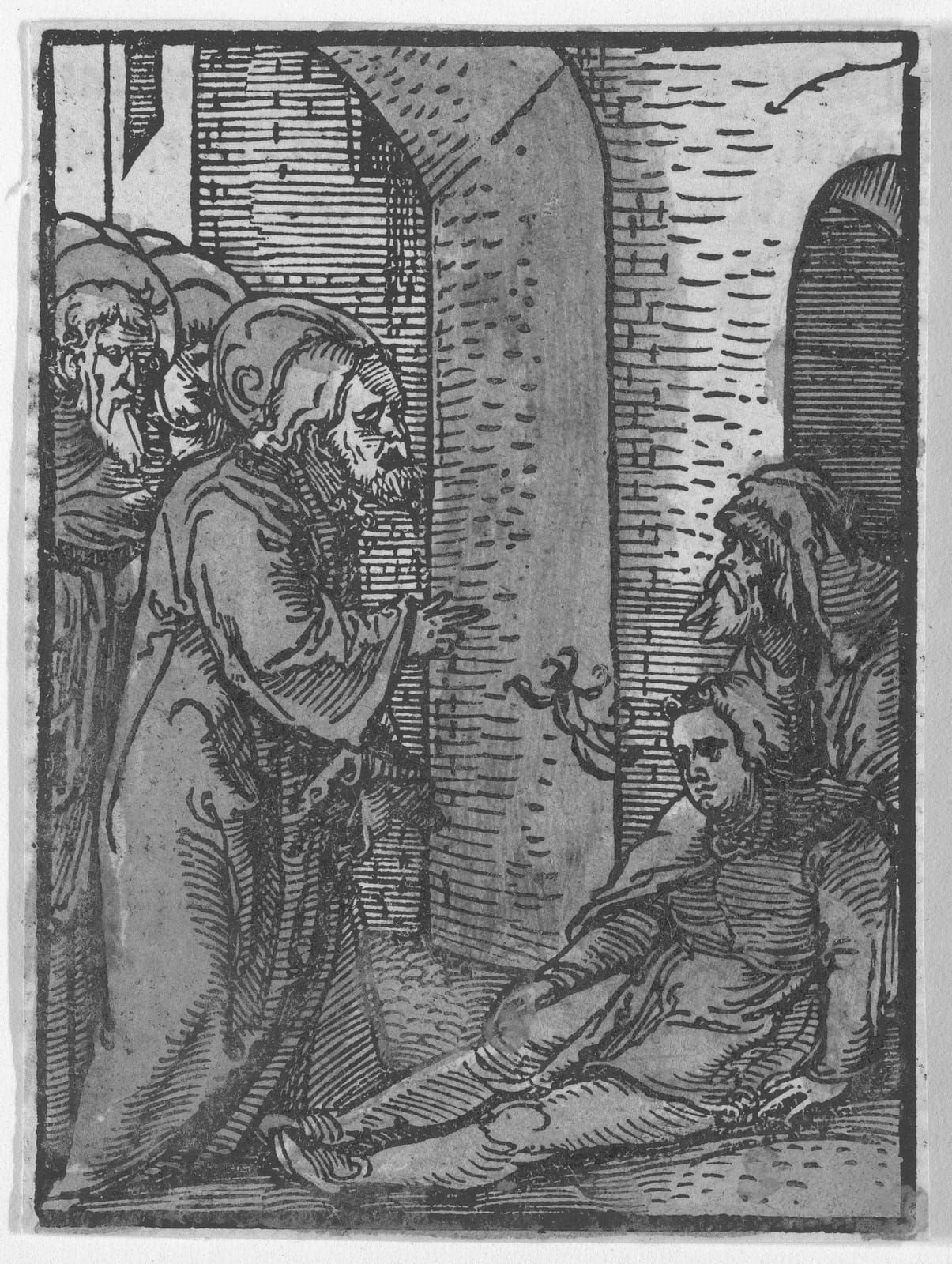
Christ healing a possessed man as a demon flees
Hans Schäufelein (1480–1540), Christ Healing the Possessed, from Das Plenarium, 1517. Credits

Email view of this day