This day

May 26, 2025

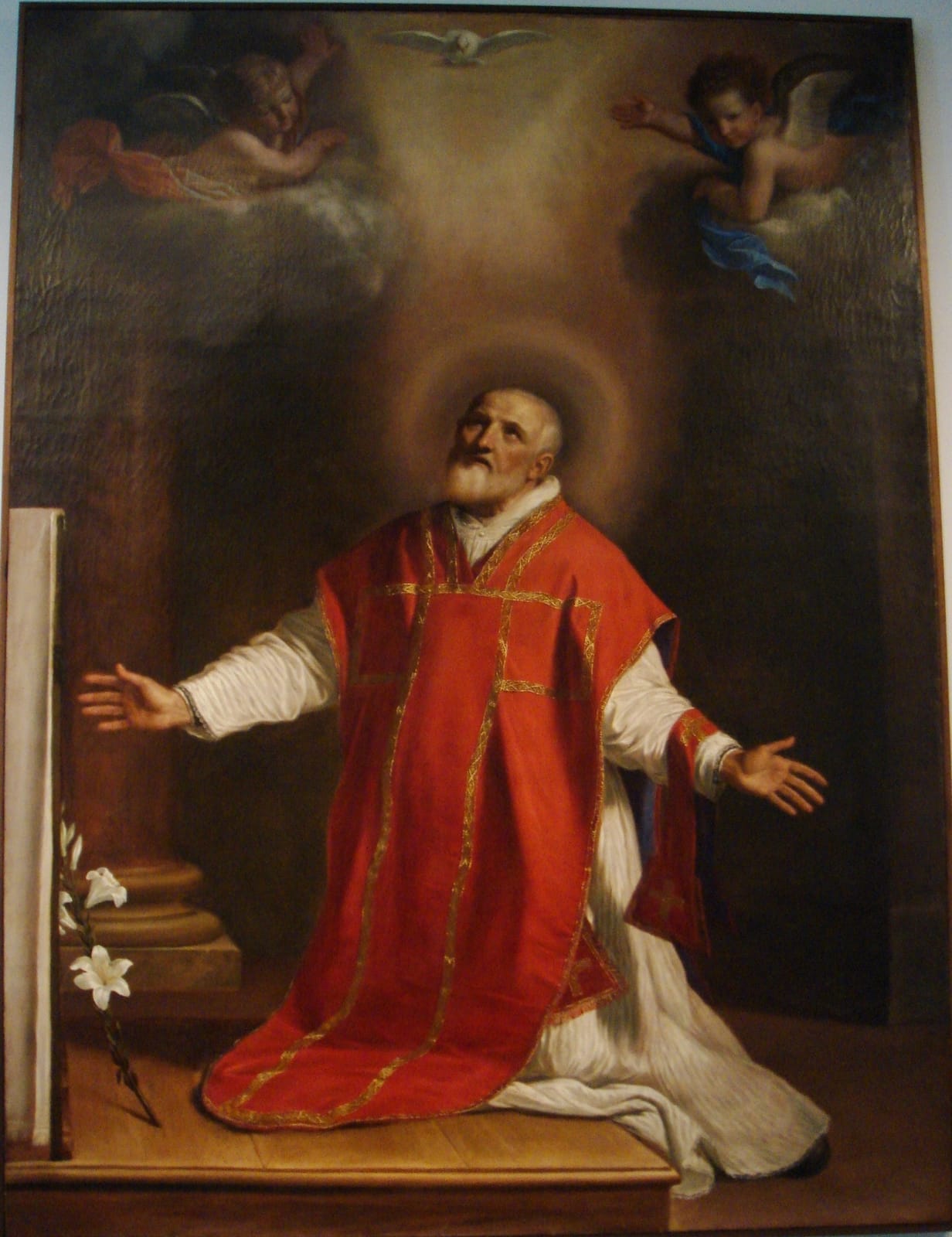
St Philip Neri in ecstasy with dove and lily
Saint Philip Neri, Guercino (1591–1666). Credits

Paschal Time

May 26, 2025

May 26: St. Philip Neri, Confessor

From Dom Guéranger’s The Liturgical Year.

AS we have already said, joy is the leading feature A of the Paschal season—a supernatural joy which springs from our delight at seeing the glorious triumph of our Emmanuel, and from the happiness we feel at our own being delivered from the bonds of death. This interior joy was the characteristic of the Saint whom we honour to-day. His heart was ever full of a jubilant enthusiasm for what regards God; so that we could truly apply to him those words of Scripture: A secure mind is like a continual feast. One of his latest disciples, the illustrious Father Faber, tells us in his beautiful treatise, Growth in Holiness, that cheerfulness is one of the chief means for advancing in Christian perfection. We will therefore welcome with gladness and veneration the benevolent and light-hearted Philip Neri, the Apostle of Rome, and one of the greatest Saints produced by the Church in the sixteenth century.

Love of God—but a love of the most ardent kind, and one that communicated itself to all that came near him—was our Saint’s characteristic virtue. All the Saints loved God; for the love of God is the first and greatest of the commandments: but Philip’s whole life was, in an especial manner, the fulfilment of this divine precept.

Rogation Days: Monday

From Dom Guéranger’s The Liturgical Year.

It seems strange that there should be anything like mourning during Paschal Time: and yet these three days are days of penance. A moment’s reflection, however, will show us that the institution of the Rogation days is a most appropriate one. True, our Saviour told us, before His Passion, that ‘the children of the Bridegroom should not fast whilst the Bridegroom is with them’: but is not sadness in keeping with these the last hours of Jesus’ presence on earth? Were not His Mother and disciples oppressed with grief at the thought of their having so soon to lose Him, whose company had been to them a foretaste of heaven?

Let us see how the liturgical year came to have inserted in its calendar these three days, during which holy Church, though radiant with the joy of Easter, seems to go back to her lenten observances. The Holy Ghost, who guides hex in all things, willed that this completion of her paschal liturgy should owe its origin to a devotion peculiar to one of the most illustrious and venerable Churches of southern Gaul, the Church of Vienne.

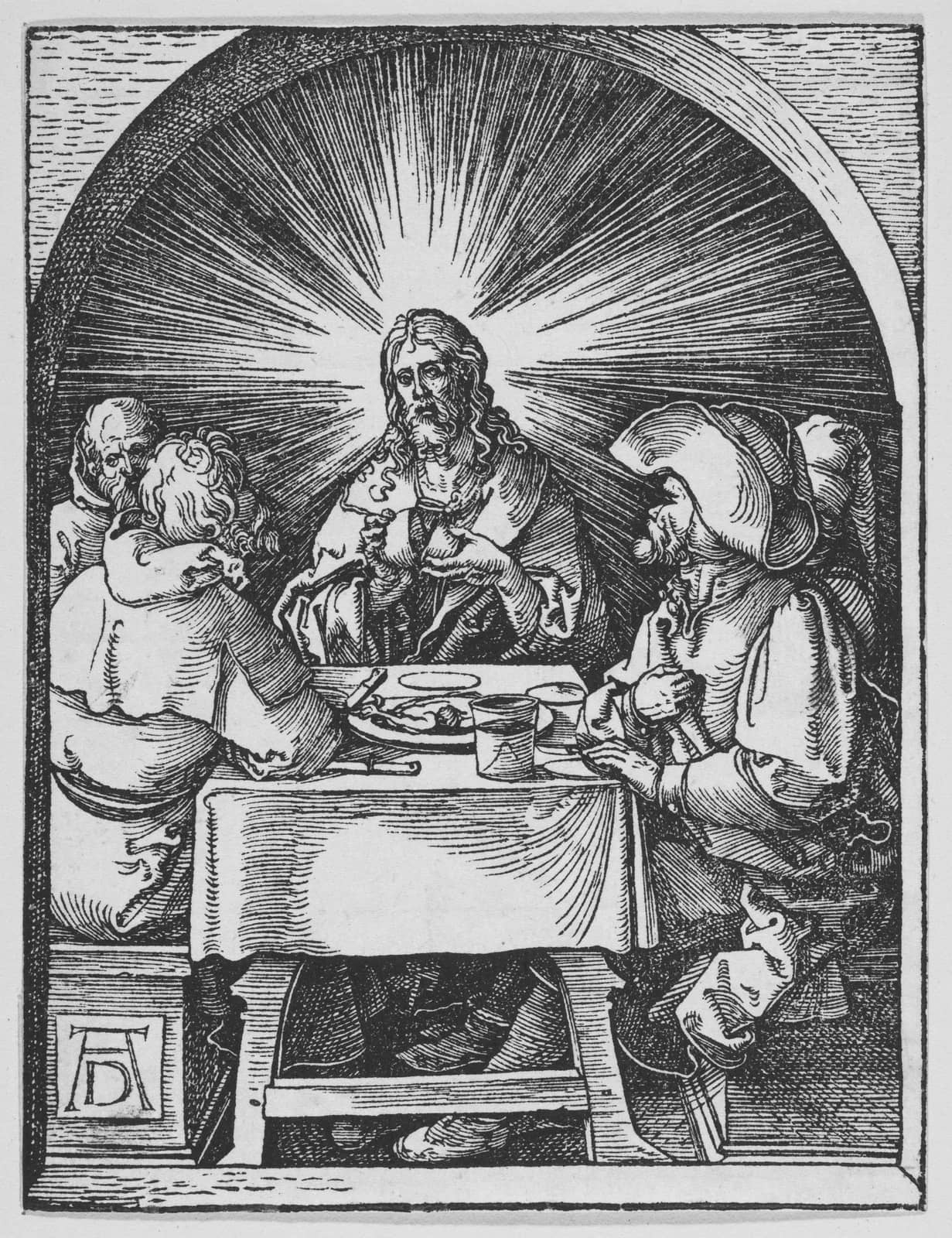
The risen Christ breaking bread with two disciples at Emmaus
Albrecht Dürer (1471–1528), Christ in Emmaus, from The Small Passion, ca. 1510. Credits

Email view of this day