This day

June 24, 2025

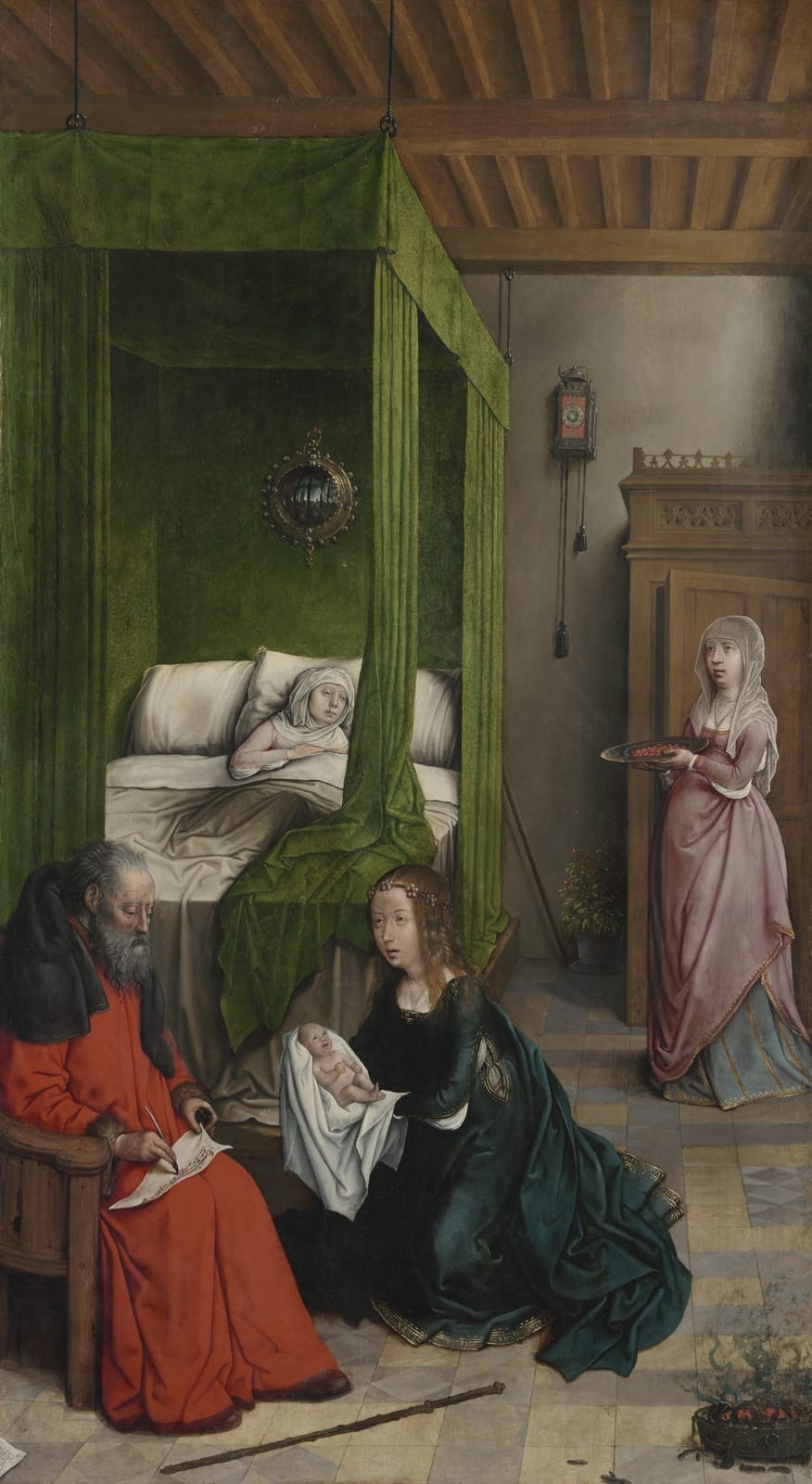
The Birth and Naming of St John the Baptist
The Birth and Naming of St John the Baptist, Juan de Flandes (1450–1519), c. 1496–1499. Credits

After Pentecost

June 24, 2025

June 24: The Nativity of St. John the Baptist

From Dom Guéranger’s The Liturgical Year.

THE Voice of one crying in the wilderness: ‘Prepare ye the way of the Lord; behold thy God!’ In this world grown now so cold, who can understand earth's transports at hearing these glad tidings so long expected? The promised God was not yet manifested; but already had the heavens bowed down to make way for his passage. No longer was he ‘the One who is to come,’ he for whom our fathers, the illustrious saints of the prophetic age, ceaselessly called in their indomitable hope. Still hidden, indeed, but already in our midst, he was resting beneath that virginal cloud, compared with which the heavenly purity of Thrones and Cherubim waxes dim; yea, the united fires of burning Seraphim grow faint in presence of the single love wherewith she alone encompasses him in her human heart, she that lowly daughter of Adam whom he had chosen for his Mother. Our accursed earth, become in a moment more blessed than heaven that had so long been closed against the prayers of men, only waited for the revelation of the august mystery.

Tuesday within the Octave of Corpus Christi

From Dom Guéranger’s The Liturgical Year.

Let us adore Christ the King, who ruleth the nations: who giveth fatness of spirit to them that eat him.

Wisdom prosecutes the fulfilment of the divine plan framed before all ages. His union, or, to use the scriptural expression, His marriage, with human nature in the womb of His Virgin Mother, has shown His love; and Jesus, the Son of Man, who never had any personality but the Word Himself, immolated on the cross in a daily-renewed Sacrifice, offers an infinite glory to the eternal Father. But the august Victim, who comes down upon earth at the word of the priest, does not return to heaven amidst some sacred flame, like that which used to consume the ancient holocausts. Immovable and passive as are the elements, whose substance has been changed into His by the marvellous power of the Sacrifice, Jesus remains at the altar under the appearance of bread and wine, for such they seem to be to the eyes and the other senses:—this is the blessed Sacrament, the outward sensible sign of a mysterious banquet.

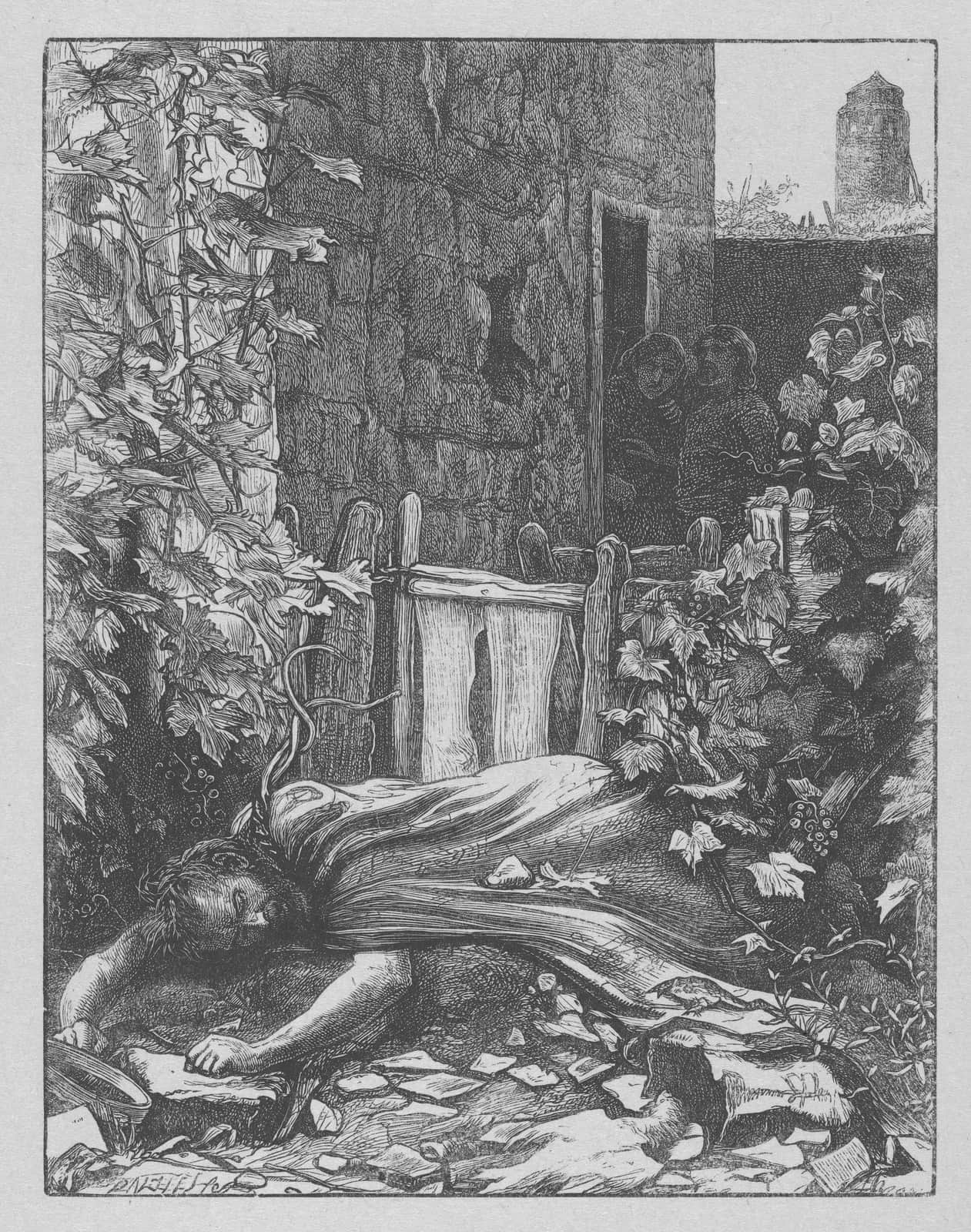
The parable of the wicked husbandmen
Sir John Everett Millais (1829–1896), The Wicked Husbandmen, from The Parables of Our Lord and Saviour Jesus Christ, 1864. Credits

Email view of this day