This day

July 5, 2025

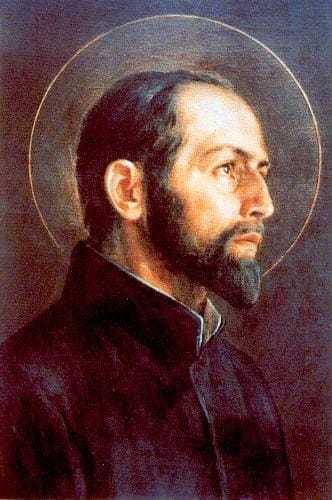
St Anthony Mary Zaccaria
Saint Anthony Mary Zaccaria. Credits

After Pentecost

July 5, 2025

July 5: St. Anthony Mary Zaccaria, Confessor

From Dom Guéranger’s The Liturgical Year.

LATER than Cajetan of Vicenza and earlier than Ignatius of Loyola, Anthony was called to be the father of one of those religious families which arose in such numbers during the sixteenth century to repair the ruins of the house of God. Lombardy, exhausted and demoralized by the wars for the possession of the duchy of Milan, was encouraged by the sight of the heroic virtues of Zaccaria to believe, hope and love once again. She listened to his fiery exhortations calling her to repentance, to meditation on the Passion and to more fervent devotion to, and more solemn adoration of, the Blessed Sacrament. Thus he was truly the precursor of St Charles Borromeo, who in his reform of the clergy, people and monasteries of Milan had as his earnest supporters Anthony's sons and daughters, the Clerks Regular and the Angelic Sisters of St Paul.

The Congregation began its life in the Oratory of Eternal Wisdom at Milan, but these new disciples of the doctor of the Gentiles took their name of Barnabites from the Church of St Barnabas, to which they were moved shortly after the death of the saint and where his body rests.

This week's Sunday: The Third Sunday after Pentecost

From Dom Guéranger’s The Liturgical Year.

The faithful soul has now witnessed in the holy liturgy the close of the mysteries of our redemption. The Holy Ghost has come down to support her during this second portion of her career, by forming and developing within her the fullness of the Christian life as taught by her divine Saviour when on earth. He begins by teaching her how to pray. Prayer, said our Lord, must be continual: we ought always to pray, and not to faint. We know not what we should pray for as we ought; but the holy Spirit helpeth our infirmity, and Himself asketh for us with unspeakable groanings.

In the Introit and the whole Mass for this Sunday, we are taught that prayer must have, amongst its other requisite qualities, that of humble repentance for our past sins, and of confidence in God’s infinite mercy.

This is the Third Sunday after Pentecost; it is the first that has no rubrical connexion with the great feasts we have been solemnizing; it is a Sunday with all the simplicity of the Office of the Time.

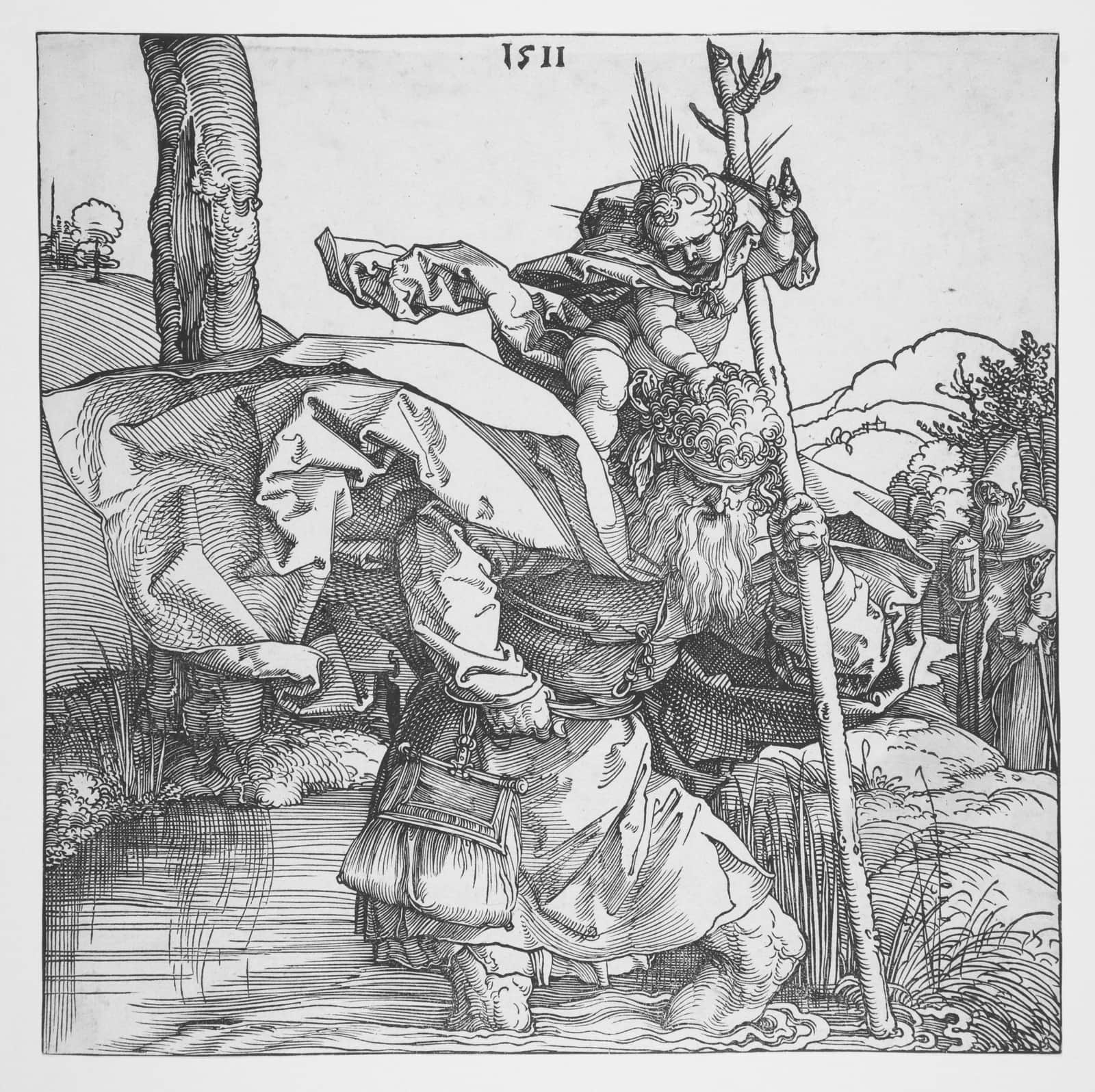
Saint Christopher carrying the Christ Child across the river
Albrecht Dürer (1471–1528), Saint Christopher, 1511. Credits

Email view of this day