This day

July 22, 2025

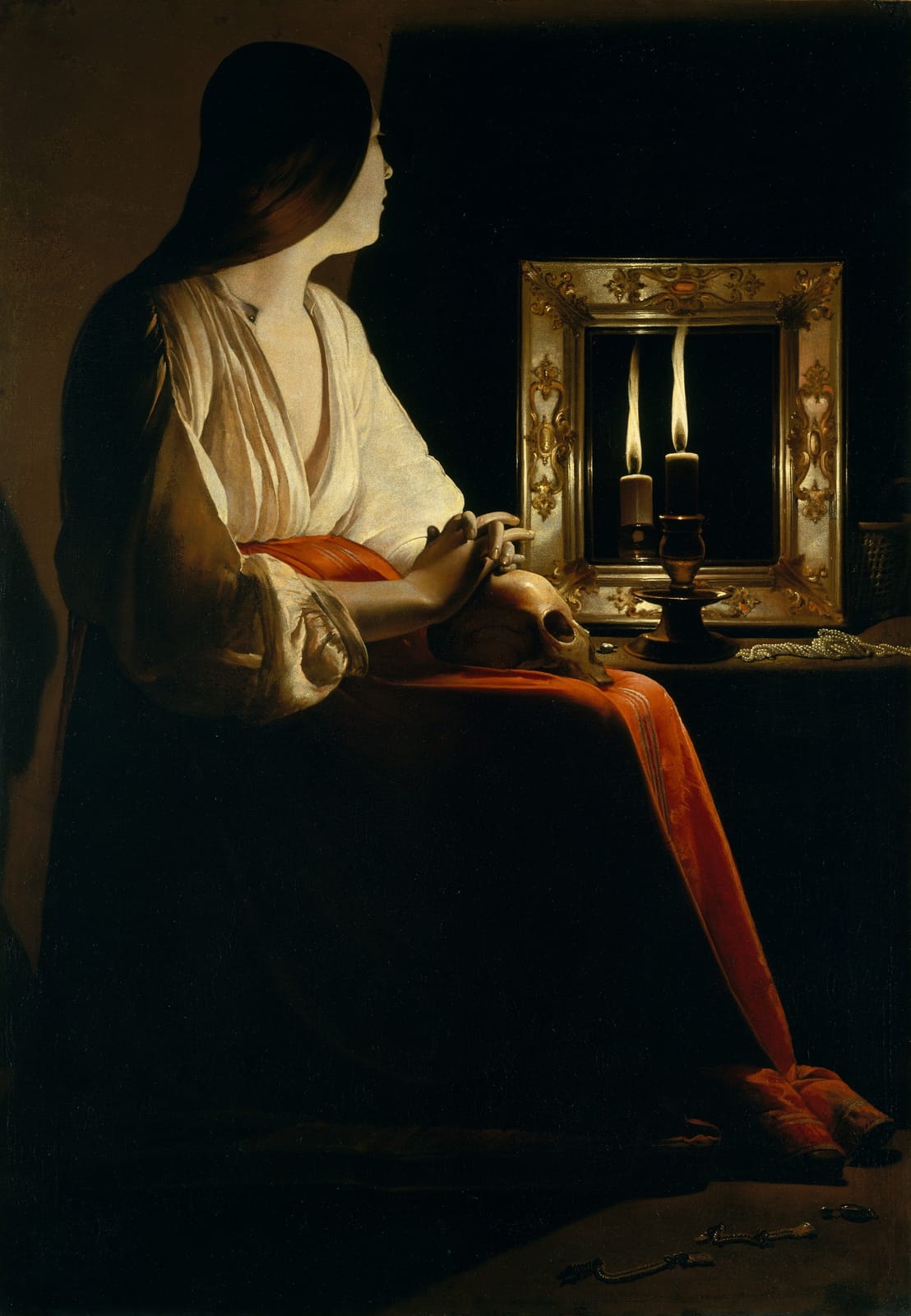
The Penitent Magdalen sits with a skull beside a candle
The Penitent Magdalen, Georges de La Tour (1593–1652), c. 1640. Credits

After Pentecost

July 22, 2025

July 22: St. Mary Magdalen

From Dom Guéranger’s The Liturgical Year.

‘THREE saints,’ said our Lord to St. Bridget of Sweden, 'have been more pleasing to me than all others: Mary my mother, John the Baptist, and Mary Magdalen.’ The Fathers tell us that Magdalen is a type of the Gentile Church, called from the depth of sin to perfect holiness; and, indeed, better than any other, she personifies both the wanderings and the love of the human race, espoused by the Word of God. Like the most illustrious characters of the law of grace, she has her antitype in past ages. Let us follow the history of this great penitent as traced by unanimous tradition: Magdalen’s glory will not be thereby diminished.

When, before all ages, God decreed to manifest His glory, He willed to reign over a world drawn from nothing; and as His goodness was equal to His power, He would have the triumph of supreme love to be the law of that kingdom, which the Gospel likens unto a king who made a marriage for his son.

Passing over the pure intelligences whose nine choirs are filled with divine light, the immortal Son of the King of ages looked down to the extreme limits of creation; there he beheld human nature, made, indeed, to know God, but acquiring that knowledge laboriously; its weakness would better show His divine condescension: with it, then, He chose to contract His alliance.

This week's Sunday: The Sixth Sunday after Pentecost

From Dom Guéranger’s The Liturgical Year.

The Office for the sixth Sunday after Pentecost, which began yesterday evening, reminded us, in its Magnificat antiphon, of a repentance which has never had an equal. David, the royal prophet, the conqueror of Goliath, himself conquered by sensuality, and from adulterer become a murderer, at last felt the crushing weight of his double crime, and exclaimed: 'I do beseech thee, O Lord, take away the iniquity of thy servant, for I have done foolishly!'

Sin is always a folly and a weakness, no matter of what kind it may be, or who he be that commits it. The rebel angel, and fallen man, may, in their pride, make efforts to persuade themselves that, when they sinned, they did not act as fools, and were not weak; but all their efforts are vain; sin must ever have this disgrace upon it, that it is folly and weakness, for it is a revolt against God, a contempt for His law, a mad act or the creature, who, being made by his. Creator to attain infinite happiness and glory, prefers to debase himself by turning towards nothingness, and then falls even lower than the nothingness from which he was taken.

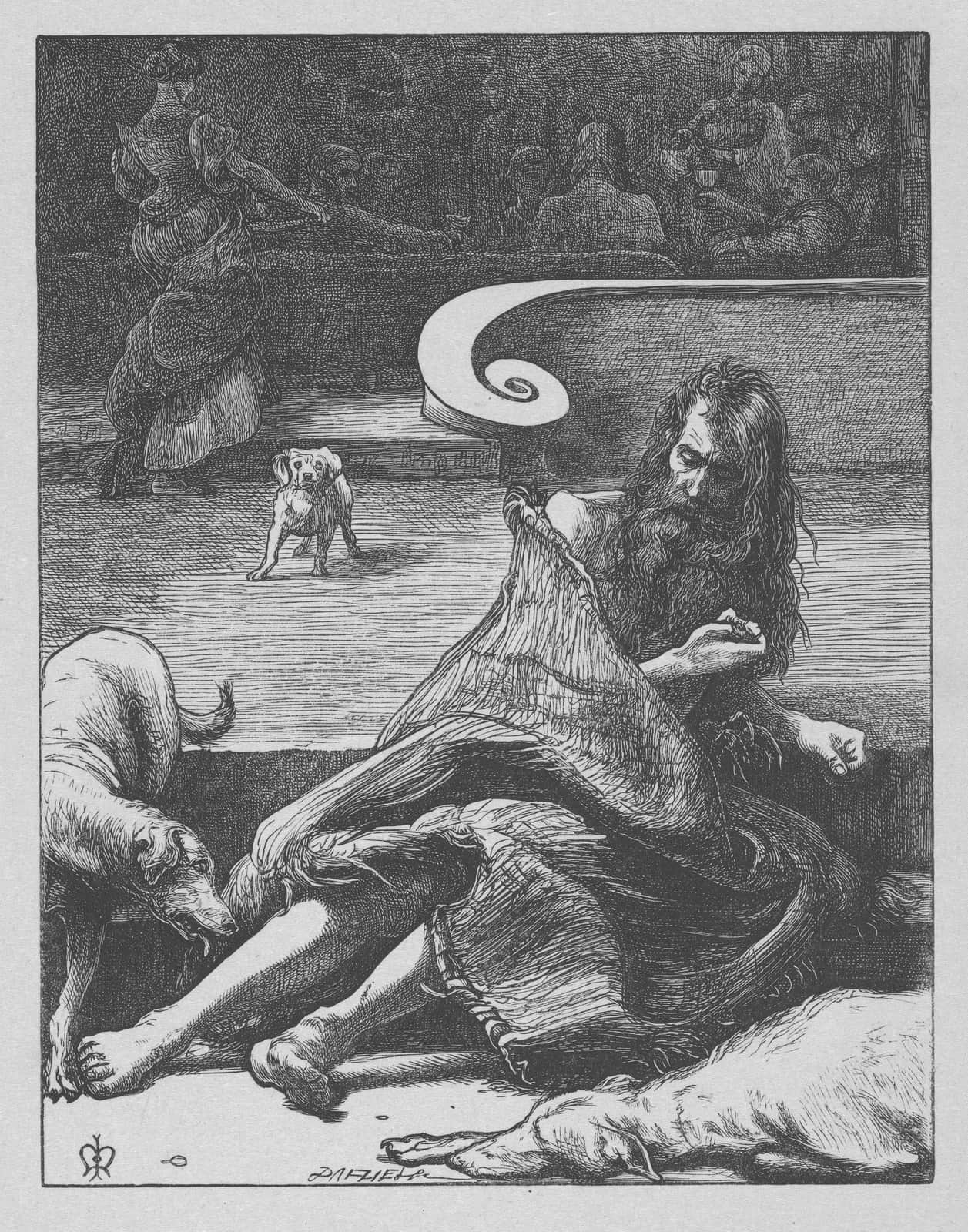
The rich man and Lazarus
Sir John Everett Millais (1829–1896), The Rich Man and Lazarus, from The Parables of Our Lord and Saviour Jesus Christ, 1864. Credits

Email view of this day