This day

July 26, 2025

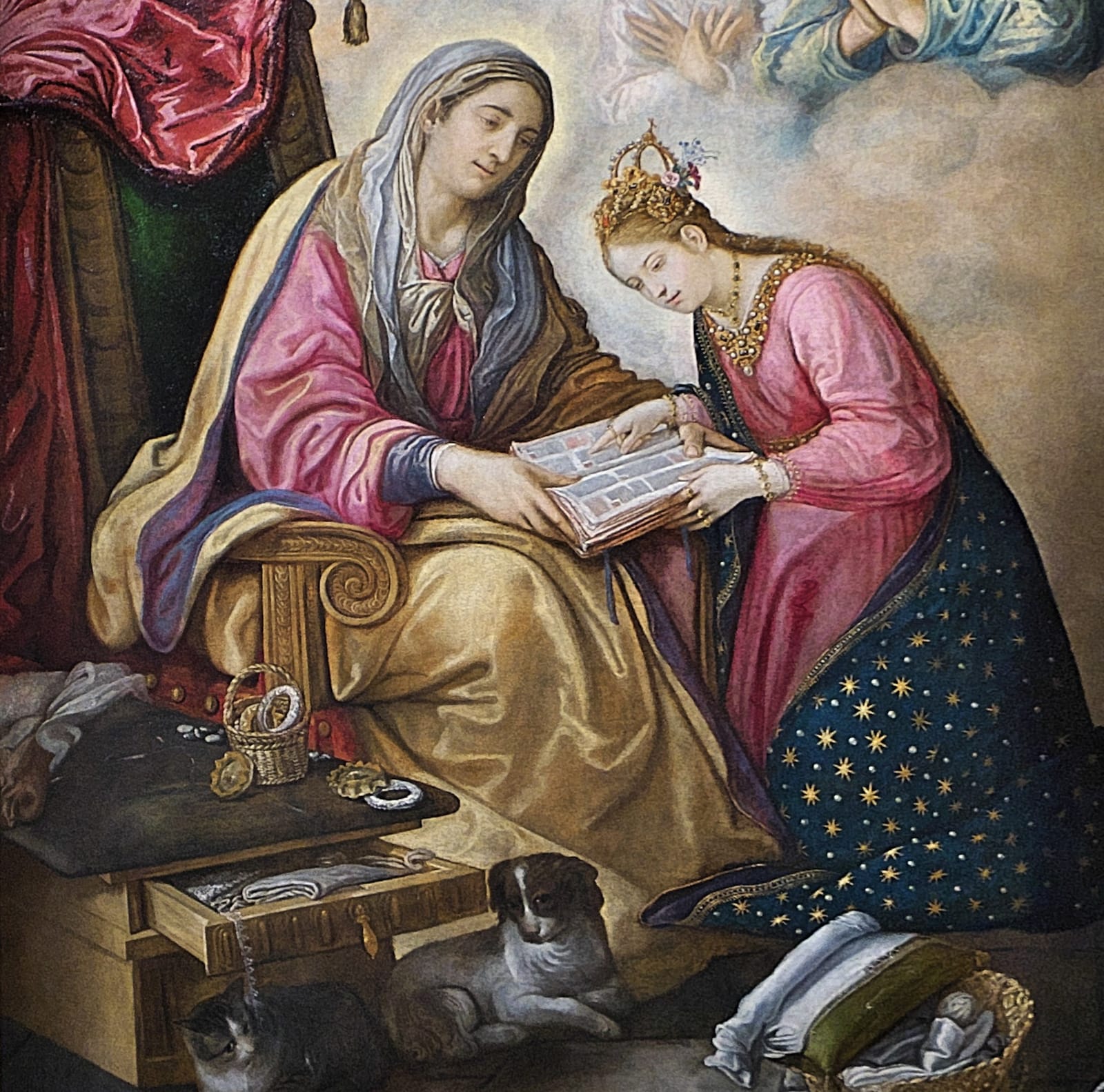
Saint Anne teaching the Virgin to read (cropped below cherubs, clear of frame)
Saint Anne Teaching the Virgin, Juan de Roelas (1558–1625), c. 1610–1615. Credits

After Pentecost

July 26, 2025

July 26: St. Anne, Mother of the Blessed Virgin Mary

From Dom Guéranger’s The Liturgical Year.

UNITING the blood of kings with that of pontiffs, the glory of Anne’s illustrious origin is far surpassed by that of her offspring, without compare among the daughters of Eve. The noblest of all who have ever conceived by virtue of the command to ‘increase and multiply,’ beholds the law of human generation pause before her as having arrived at its summit, at the threshold of God; for from her fruit God Himself is to come forth, the fatherless Son of the Blessed Virgin, and the grandson of Anne and Joachim.

Before being favoured with the greatest blessing ever bestowed on an earthly union, the two holy grandparents of the Word made Flesh had to pass through the purification of suffering. Traditions which, though mingled with details of less authenticity, have come down to us from the very beginning of Christianity, tell us of these noble spouses subjected to the trial of prolonged sterility, and on that account despised by their people; of Joachim cast out of the temple and going to hide his sorrow in the desert; of Anne left alone to mourn her widowhood and humiliation.

This week's Sunday: The Sixth Sunday after Pentecost

From Dom Guéranger’s The Liturgical Year.

The Office for the sixth Sunday after Pentecost, which began yesterday evening, reminded us, in its Magnificat antiphon, of a repentance which has never had an equal. David, the royal prophet, the conqueror of Goliath, himself conquered by sensuality, and from adulterer become a murderer, at last felt the crushing weight of his double crime, and exclaimed: 'I do beseech thee, O Lord, take away the iniquity of thy servant, for I have done foolishly!'

Sin is always a folly and a weakness, no matter of what kind it may be, or who he be that commits it. The rebel angel, and fallen man, may, in their pride, make efforts to persuade themselves that, when they sinned, they did not act as fools, and were not weak; but all their efforts are vain; sin must ever have this disgrace upon it, that it is folly and weakness, for it is a revolt against God, a contempt for His law, a mad act or the creature, who, being made by his.

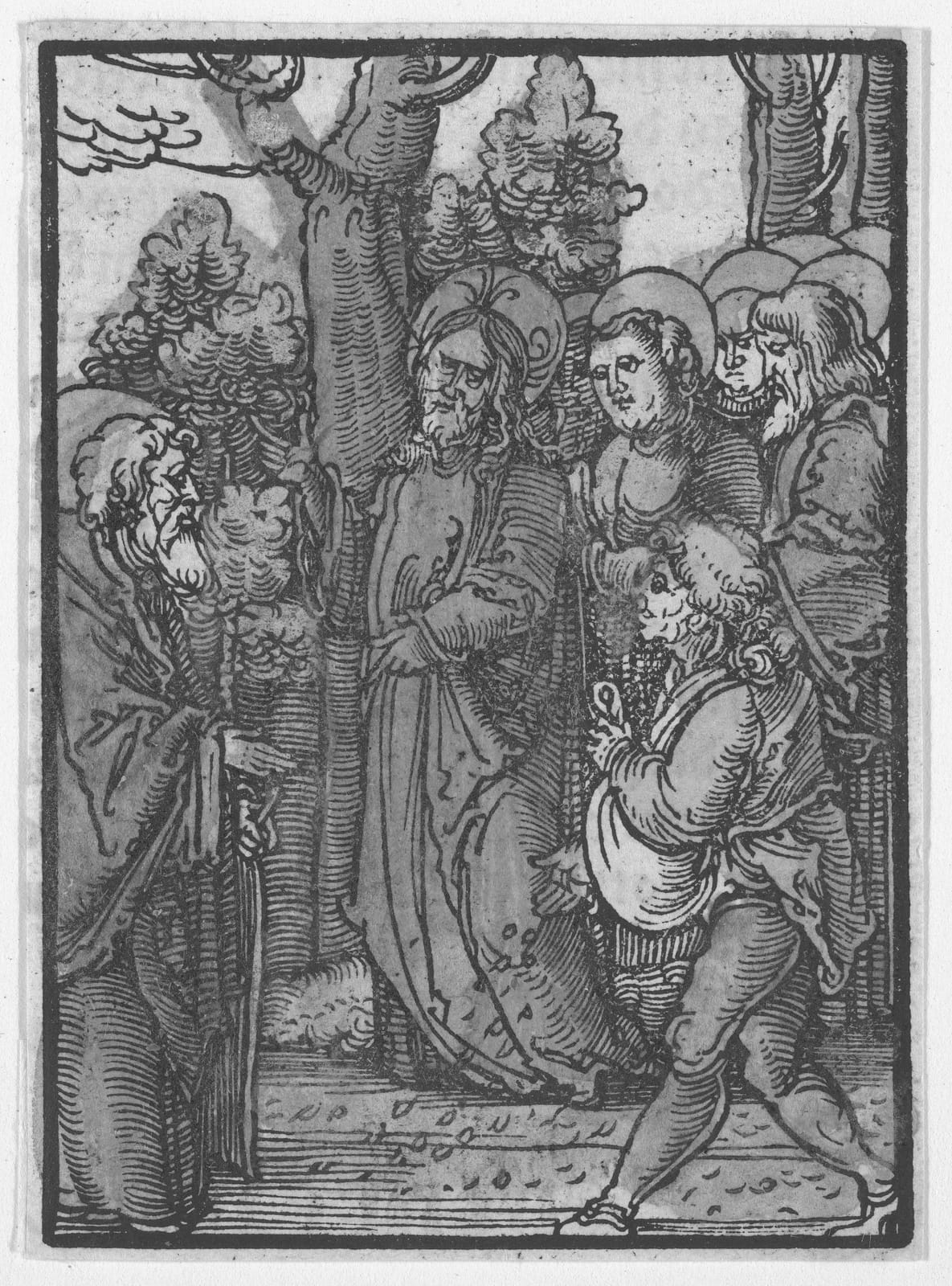
The parable of the wheat and the weeds
Hans Schäufelein (1480–1540), The Parable of the Sower and the Weeds, from Das Plenarium, 1517. Credits

Email view of this day