This day

September 8, 2025

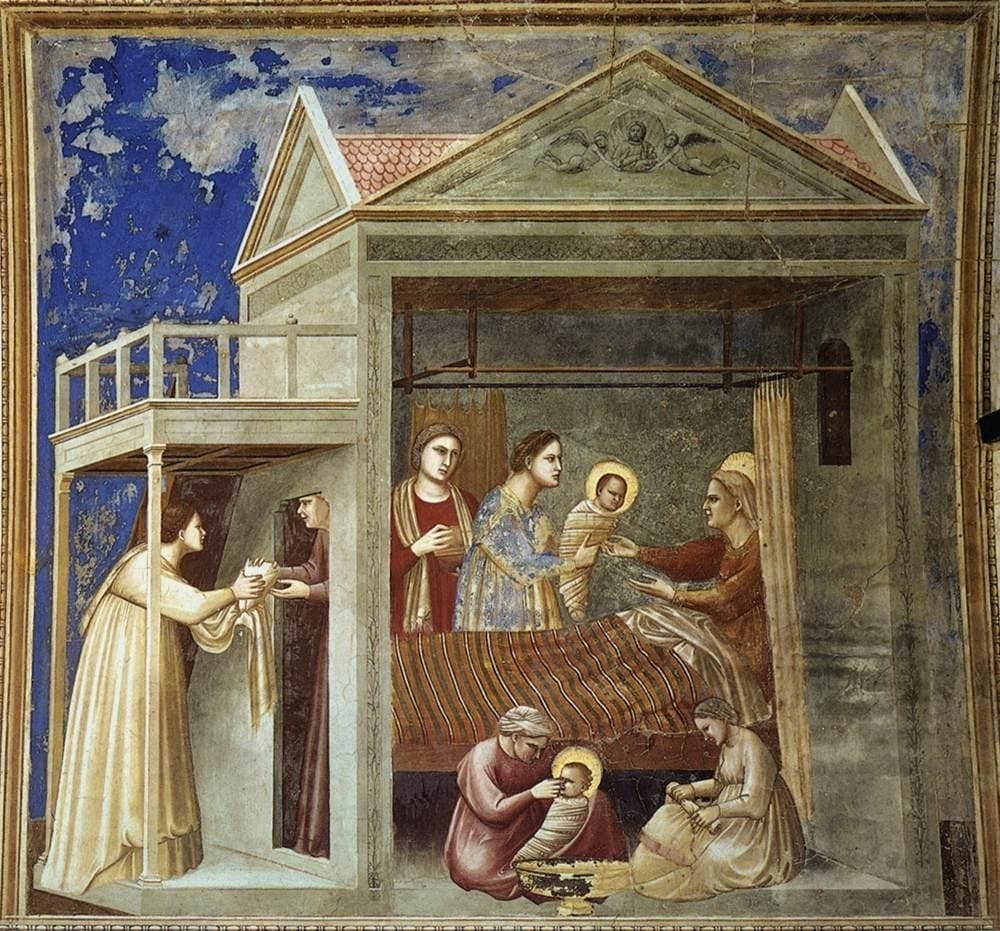
The Birth of the Virgin
The Birth of the Virgin, Giotto, c. 1305. Credits

After Pentecost

September 8, 2025

September 8: The Nativity of the Blessed Virgin Mary

From Dom Guéranger’s The Liturgical Year.

‘Let us celebrate the Nativity of the Virgin Mary; let us adore her Son, Christ our Lord.’ Such is the invitation addressed to us to-day by the Church. Let us hearken to her call; let us enter into her overflowing joy. The Bridegroom is at hand, for His throne is now set up on earth; yet a little while, and He will appear in the diadem of our human nature, wherewith His Mother is to crown Him on the day of the joy of His heart, and of ours. To-day, as on the glorious Assumption, the sacred Canticle is heard; but this time it belongs more to earth than to heaven.

Truly a better paradise than the first is given us at this hour. Eden, fear no more that man will endeavour to enter thee; thy Cherubim may leave the gates and return to heaven. What are thy beautiful fruits to us, since we cannot touch them without dying? Death is now for those who will not eat of the fruit so soon to appear amid the flowers of the virgin earth to which our God has led us.

This week's Sunday: The Thirteenth Sunday after Pentecost

From Dom Guéranger’s The Liturgical Year.

The dominical series—which formerly counted from the feast of Saint Peter, or of the apostles—never went beyond this Sunday. The feast of Saint Laurence gave its name to those which follow; though that name began with even the ninth Sunday, for the years when Easter was further from the Spring equinox. And when that solemnity was kept at its latest date, the weeks began from to-day to be counted as the weeks of the seventh month (September).

The Ember-days of the autumn quarter sometimes occur even this week; whilst, other years, they may be as late as the eighteenth. We will speak of them when we come to the seventeenth Sunday, for it is in the week following that, that the Roman missal inserts them.

In the western Church, the thirteenth Sunday takes its name from the Gospel of the ten lepers, which is read in the Mass; the Greeks, who count it as the thirteenth of Saint Matthew, read on it the parable of the vineyard, whose labourers, though called at different hours of the day, all receive the same pay.

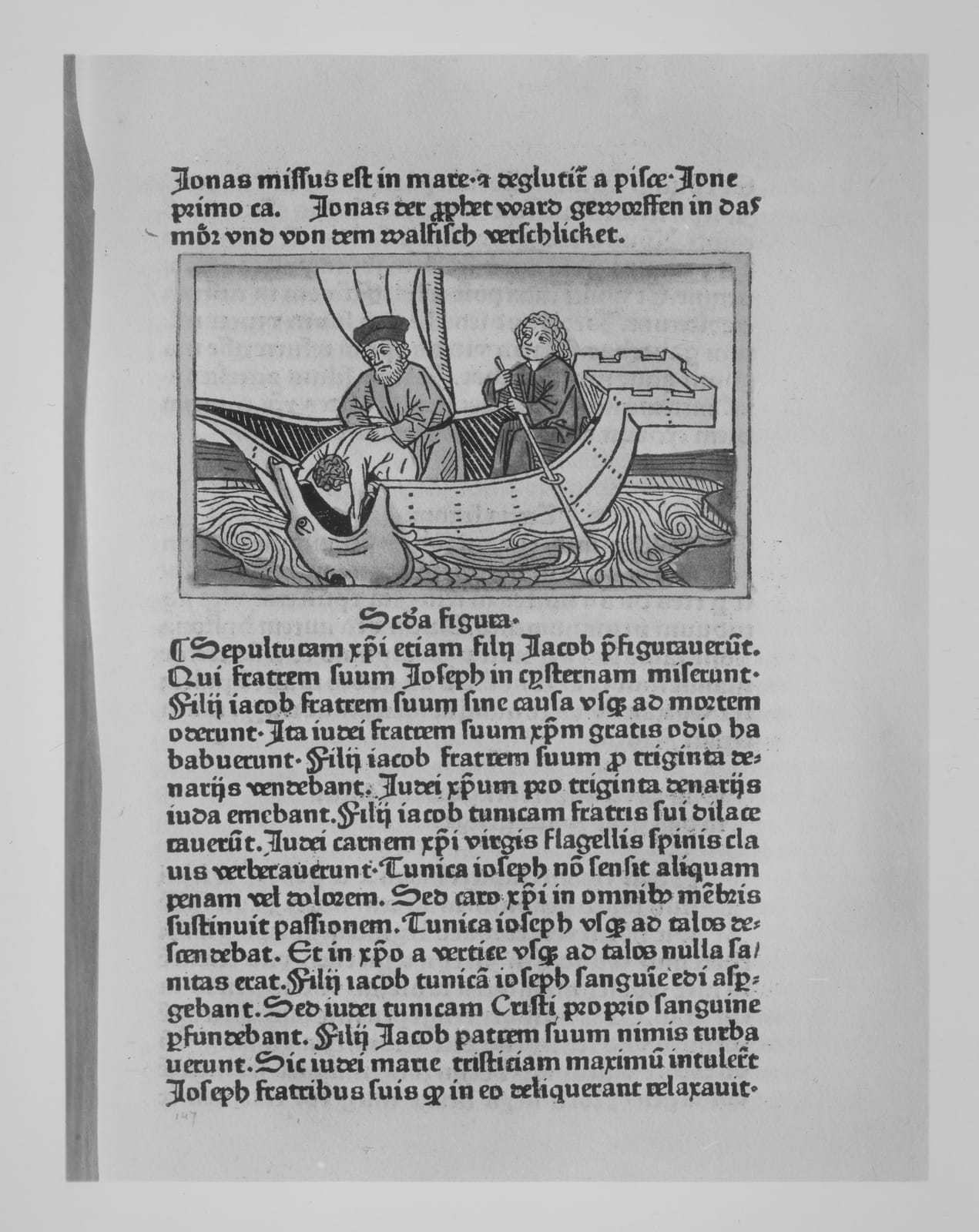
A woodcut opening from Speculum humanae salvationis
Günther Zainer (d. 1478), Speculum humanae salvationis, ca. 1473. Credits

Email view of this day