This day

September 18, 2025

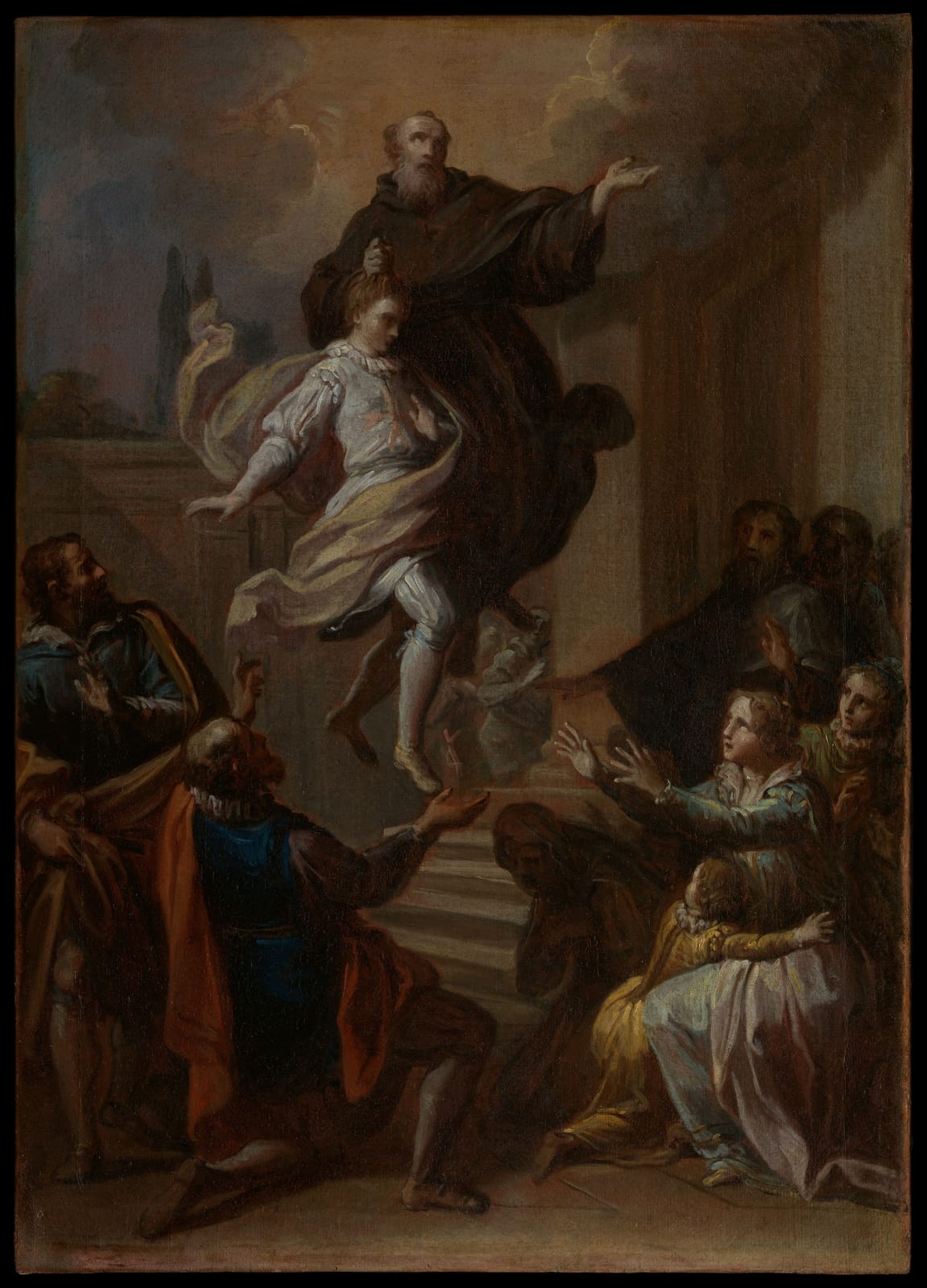
A Miracle of Saint Joseph of Cupertino
A Miracle of Saint Joseph of Cupertino, Placido Costanzi (1702–1759), 1750. Credits

After Pentecost

September 18, 2025

September 18: St. Joseph of Cupertino, Confessor

From Dom Guéranger’s The Liturgical Year.

While, in France, the rising spirit of Jansenism was driving God from the hearts of the people, a humble son of St. Francis, in southern Italy, was showing how easily love may span the distance between earth and heaven. ‘And I, if I be lifted up from the earth, will draw all things to Myself,’ said our Lord; and time has proved it to be the most universal of His prophecies. On the feast of the holy cross, we witnessed its truth, even in the domain of social and political claims. We shall experience it in our very bodies on the great day, when we shall be taken up in the clouds to meet Christ, into the air. But Joseph of Cupertino had experience of it without waiting for the resurrection: innumerable witnesses have borne testimony to his life of continual ecstasies, wherein he was frequently seen raised high in the air. And these facts took place in what men are pleased to call the noonday of history.

Josephus a Cupertino, oppido in Salentinis diœcesis Neritonensis, anno reparatæ salutis millesimo sexcentesimo tertio, piis ibidem parentibus ortus, Deique amore præventus, pueritiam atque adolcscentiam summa cum simplicitate morumque innocentia transegit.

This week's Sunday: The Fourteenth Sunday after Pentecost

From Dom Guéranger’s The Liturgical Year.

In the western Church this Sunday is called that of the two masters, because of the Gospel which is read upon it. The Greeks give it the name of the Sunday of the invited to the marriage-feast, or, the fourteenth of St. Matthew, unless the feast of the Exaltation of the holy Cross (September 14) happen to fall during the ensuing week. In this latter case this and the following Sunday are called ‘of the Exaltation,' and take for their Gospels the first from St. John, the second from St. Mark. After this, follow the Sundays called ‘of St. Luke,’which go on till Lent, in the manner already described for St. Matthew.

Behold, O God, our protector! and look on the face of thy Christ! Thus begins the Church, as she advances towards the altar, whereon the holy sacrifice is going to be offered up. The Church is the bride of the Man-God; she is, as the apostle says, His glory; but the Spouse, according to the same St. Paul, is both the image and the glory of God, and the head of His bride.

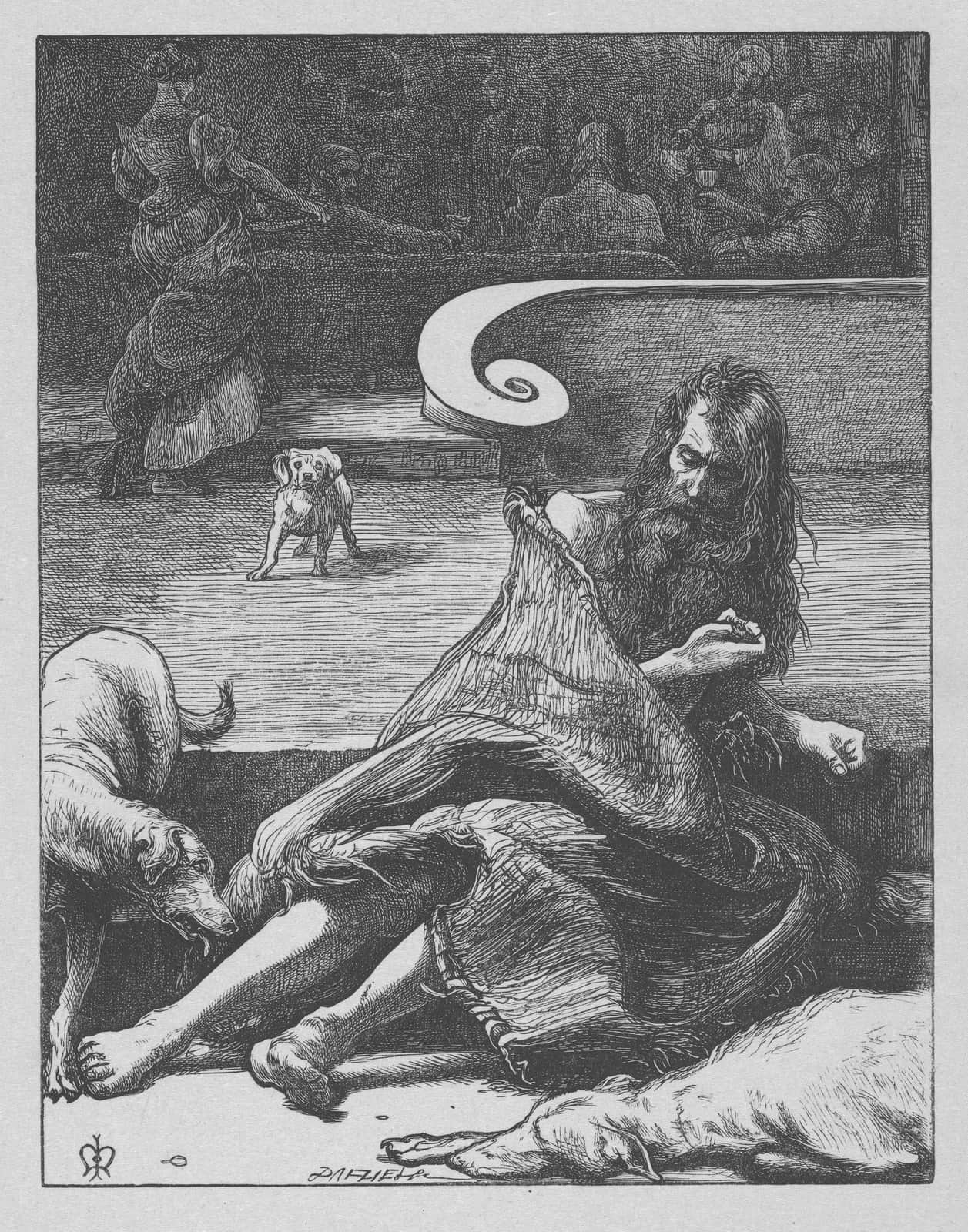
The rich man and Lazarus
Sir John Everett Millais (1829–1896), The Rich Man and Lazarus, from The Parables of Our Lord and Saviour Jesus Christ, 1864. Credits

Email view of this day