This day

October 9, 2025

After Pentecost

October 9, 2025

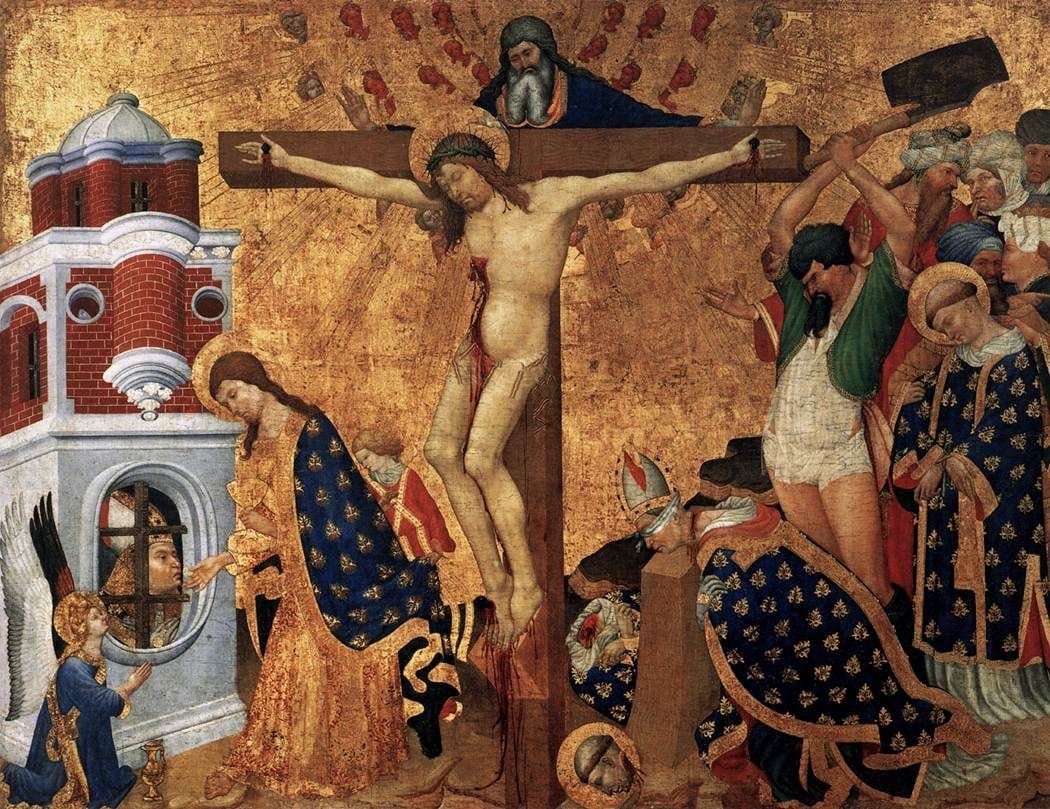
October 9: St. Dionysius, Bishop and Martyr, and Sts. Rusticus and Eleutherius, Martyrs

From Dom Guéranger’s The Liturgical Year.

Ushered in by Bridget the northern prophetess, Dionysius appears as the brightest star in that constellation of mystics, which illumines the close of the cycle with the first glimmers of eternal union. Soon we shall salute Teresa of Jesus, and her guide Peter of Alcantara; while from the shades of his Obscure night, John of the cross will rise in glory next month near to the great St. Gertrude.

The Man-God began to do and to teach, gave us first example then doctrine; so too the Church, in her liturgical year, first sets before us the examples of the saints, and afterwards teaches us the rules of sanctity as formulated by these holy ones themselves. Strong in the results she has obtained, she now seems to rest in the security gained by experience; and, as in the proper of the time, of which that of the saints is the faithful echo, she yields to her desire of seeing her children able to comprehend, with all the saints, what is the breadth and length and height and depth. To know also the charity of Christ, which surpasseth all knowledge, that they may be filled unto all the fulness of God.

This week's Sunday: The Seventeenth Sunday after Pentecost

From Dom Guéranger’s The Liturgical Year.

The Gospel, which is now assigned to the Mass of the seventeenth Sunday, has given it the name of the Sunday of the love of God, dating, that is, from the time when the Gospel of the cure of the dropsy and of the invitation to the wedding-feast was anticipated by eight days. Previously even to that change, and from the very first, there used to be read, on this seventeenth Sunday, another passage from the new Testament, which is no longer found in this series of Sundays: it was the Gospel which mentions the difficulty regarding the resurrection of the dead, which the Sadducees proposed to our Lord.

The judgments of God are always just, whether it be, in His justice, humbling the proud, or, in His mercy, exalting the humble. This day last week we saw this sovereign disposer of all things, allotting to each his place at the divine banquet. Let us recall to mind the behaviour of the guests, and the respective treatment shown to the humble and the proud. Adoring these judgments of our Lord, let us sing our Introit; and, as far as regards ourselves, let us throw ourselves entirely upon His mercy.

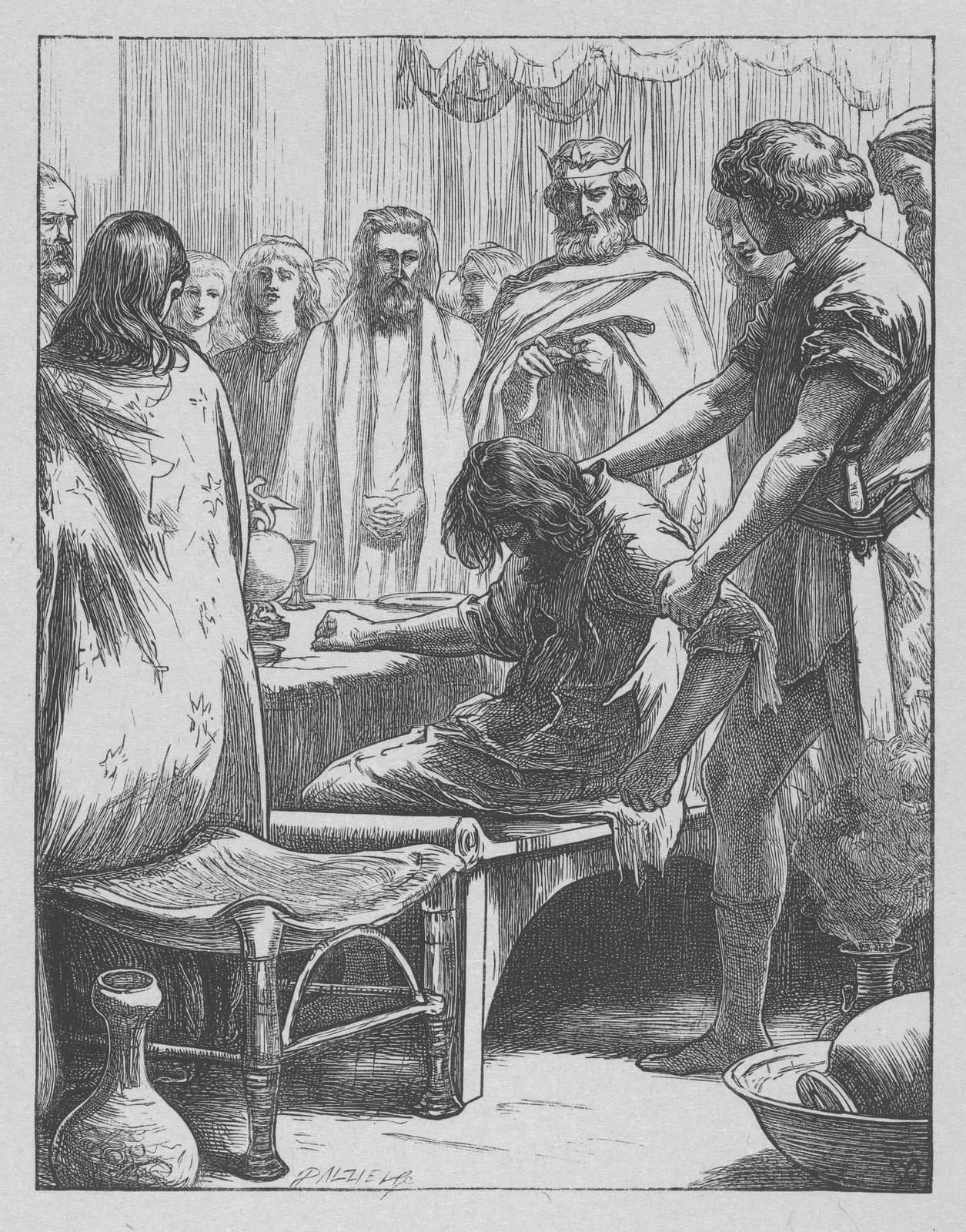
The marriage feast: the guest without a wedding garment
Sir John Everett Millais (1829–1896), The Marriage Feast, from The Parables of Our Lord and Saviour Jesus Christ, 1864. Credits

Email view of this day