This day

October 21, 2025

After Pentecost

October 21, 2025

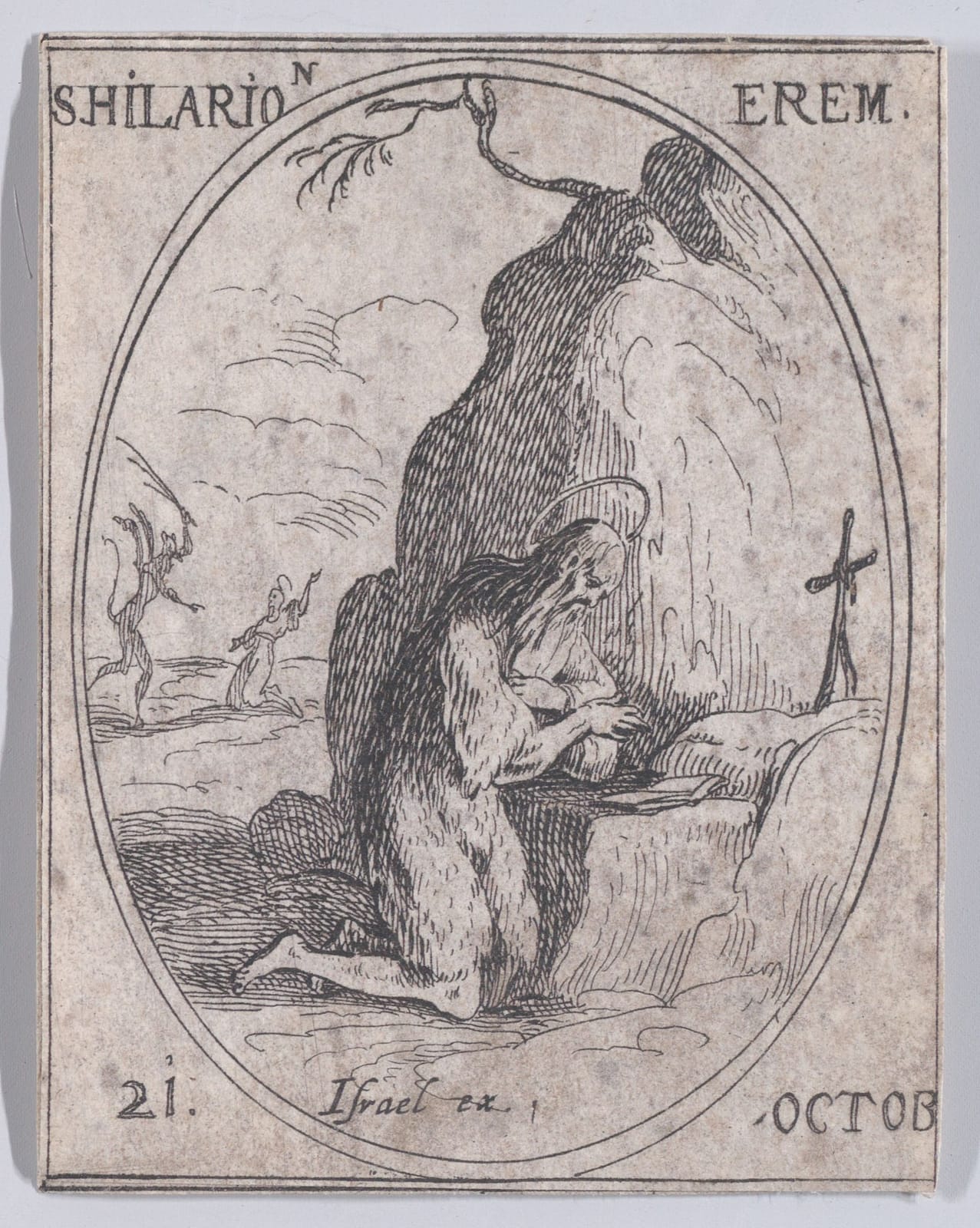
October 21: St. Hilarion, Abbot

From Dom Guéranger’s The Liturgical Year.

‘Monks were unknown in Syria before St. Hilarion,' says his historian St. Jerome. ‘He instituted the monastic life in that country, and was the master of those who embraced it. The Lord Jesus had His Anthony in Egypt and His Hilarion in Palestine, the former advanced in years, the latter still young.' Now our Lord very soon raised this young man to such glory, that Anthony would say to the sick, who came to him from Syria attracted by the fame of his miracles: ‘Why take the trouble to come so far, when you have near you my son Hilarion?' And yet Hilarion had spent only two months with Anthony; after which the patriarch had said to him: ‘Persevere to the end, my son; and thy labour will win thee the delights of heaven.' Then, giving a hair-shirt and a garment of skin to this boy of fifteen whom he was never to see again, he sent him back to sanctify the solitudes of his own country, while he himself retired farther into the desert.

The enemy of mankind, foreseeing a formidable adversary in this new solitary, waged a terrible war against him.
Chapter 5: On Hearing Mass during the Time after Pentecost

From Dom Guéranger’s The Liturgical Year.

Of all the good acts wherewith a Christian can sanctify his day, there is not one which bears comparison with that of assisting at the holy sacrifice of the Mass. It is in that sacrifice, the supreme act of religion, that is centred all the homage due from man to his Creator; and it is also from the same sacrifice that God pours out profusely upon his creature man every sort of blessing. The very Son of God is really present there; there He is offered up to His Father, and the offering is always well-pleasing; and they who assist at this divine immolation with faith and love receive into their souls graces of a far richer kind than are given by ordinary means.

The assistance at Mass, if completed by the real participation of the divine victim, unites man to God in an ineffable way by the renovation of his whole being, for it produces an intimate communion between him and the Word Incarnate.

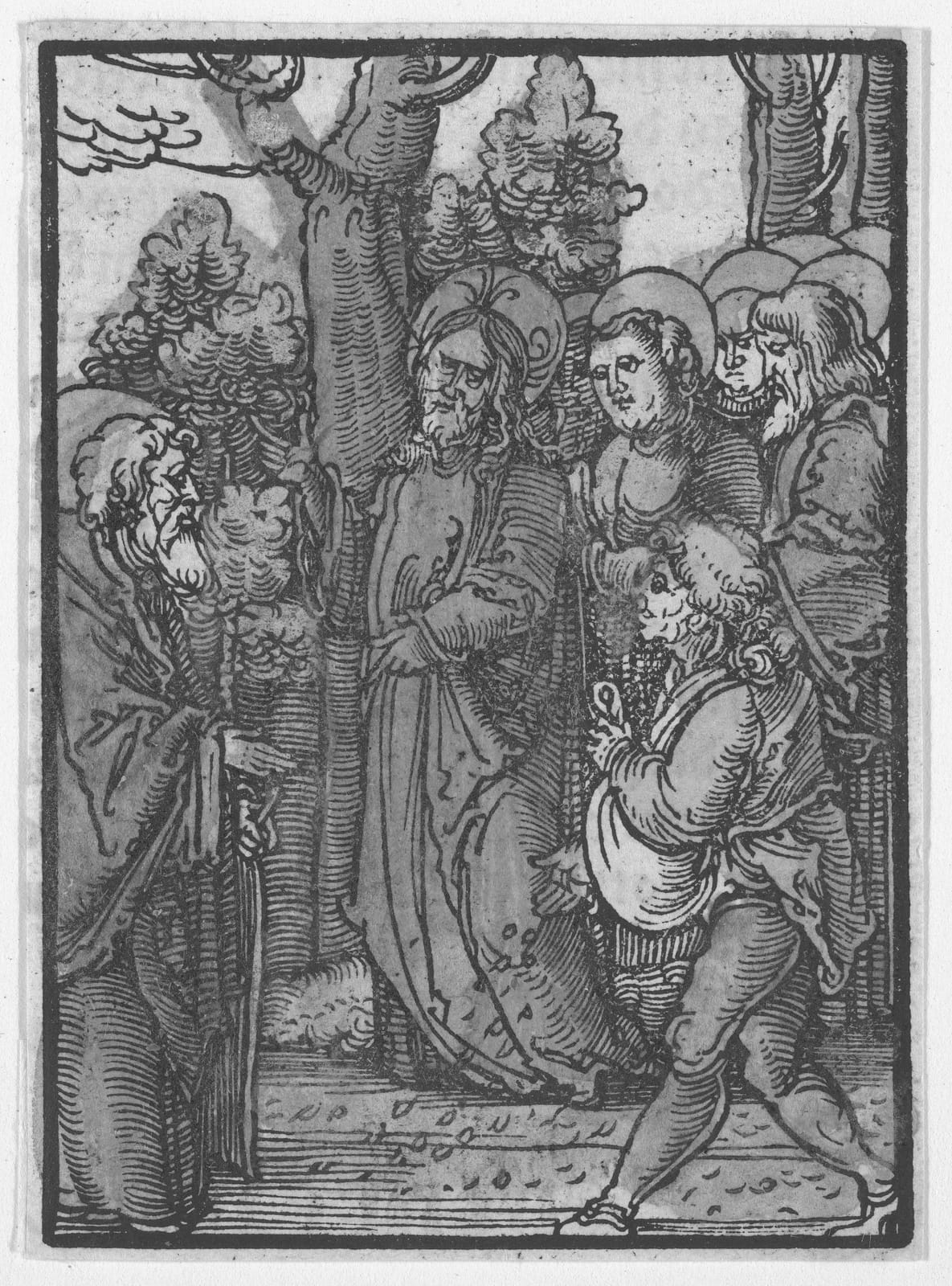
The parable of the wheat and the weeds
Hans Schäufelein (1480–1540), The Parable of the Sower and the Weeds, from Das Plenarium, 1517. Credits

Email view of this day