This day

January 30, 2026

Epiphanytide

January 30, 2026

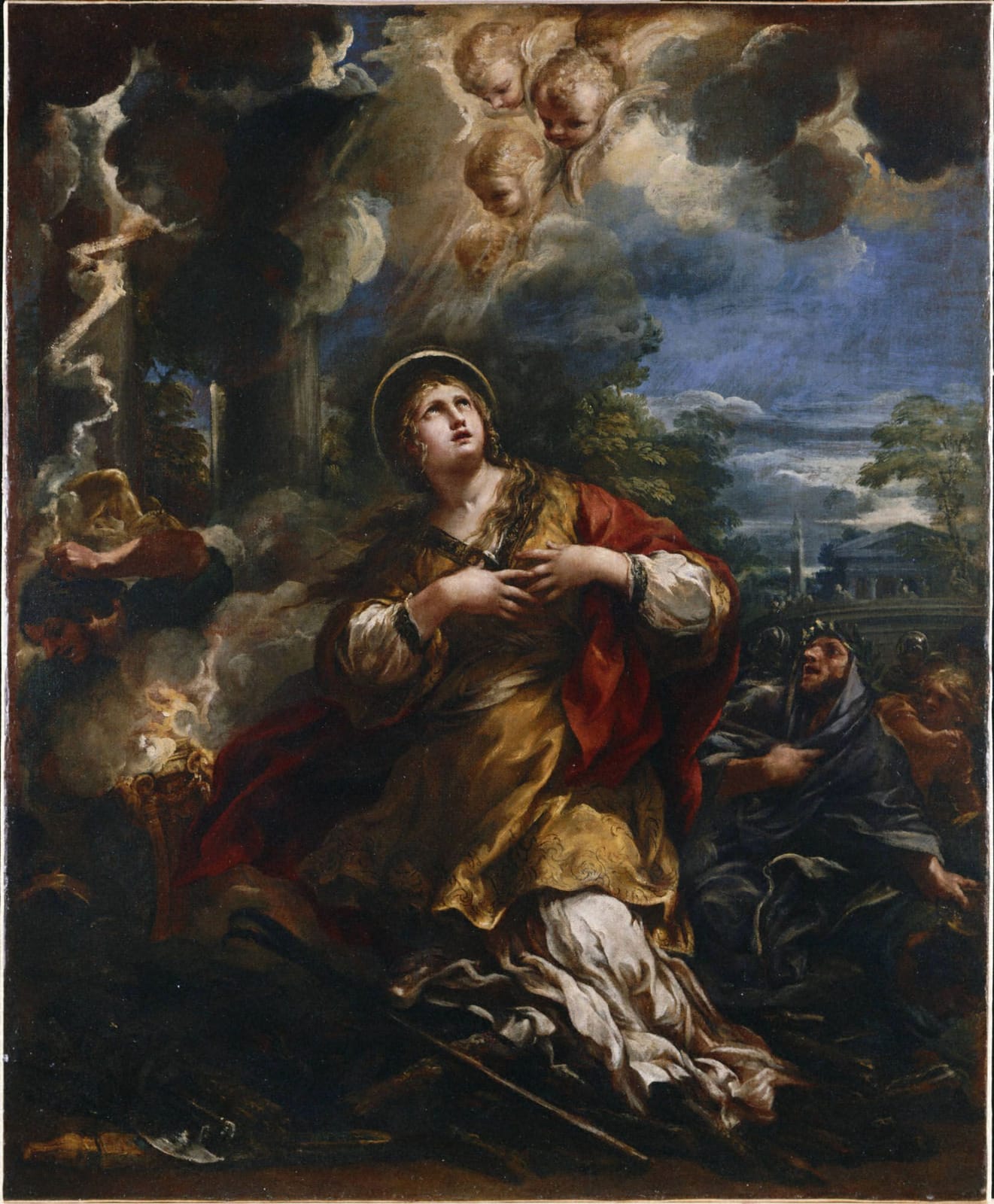
January 30: St. Martina, Virgin and Martyr

From Dom Guéranger’s The Liturgical Year.

A FOURTH Roman Virgin, wearing on her brow a martyr’s crown, comes today to share the honours given to Agnes, Emerentiana, and Prisca, and offer her palm to the Lamb. Her name is Martina, which the pagans were wont to give to their daughters in honour of their god of war. Her sacred relics repose at the foot of the Capitoline hill, in the ancient temple of Mars, which has now become the beautiful Church of Saint Martina. The holy ambition to render herself worthy of him whom she had chosen as her divine Spouse, gave her courage to suffer torments and death for his sake; so that of her, as of the rest of the martyrs, we may say those words of the Liturgy, washed her robes in the Blood of the Lamb. Our Emmanuel is the Mighty God, the Lord that is mighty in war, not, like the Mars of the pagans, needing the sword to win his battles. He vanquishes his enemies by meekness, patience, and innocence, as in the martyrdom of today’s Saint, whose victory was grander than was ever won by Rome’s boasted warriors.

This week's Sunday: The Third Sunday after Epiphany

From Dom Guéranger’s The Liturgical Year.

THE variation of Easter Sunday necessitates almost every year a different arrangement of the Sundays after the Epiphany from that in which they stand in the Missal. Septuagesima often comes in January and the Feast of the Purification is occasionally later than Quinquagesima Sunday; hence the office of these four last Sundays may have to be transferred to another season of the liturgical cycle. We were obliged then to provide for these changes and simplify them for the Faithful by adopting our present plan. We have inserted here the third and fourth Sundays as usually falling in Christmastide, while the office of the fifth and sixth Sundays will be found in the volumes of Septuagesima and the second after Pentecost, this latter season being the one in which they are most frequently kept.

The Introit represents the Angels of God adoring him on his entrance into this world, as St Paul explains this passage of the Psalms. The Church celebrates with David the gladness of Sion, and the joy of the daughters of Juda.

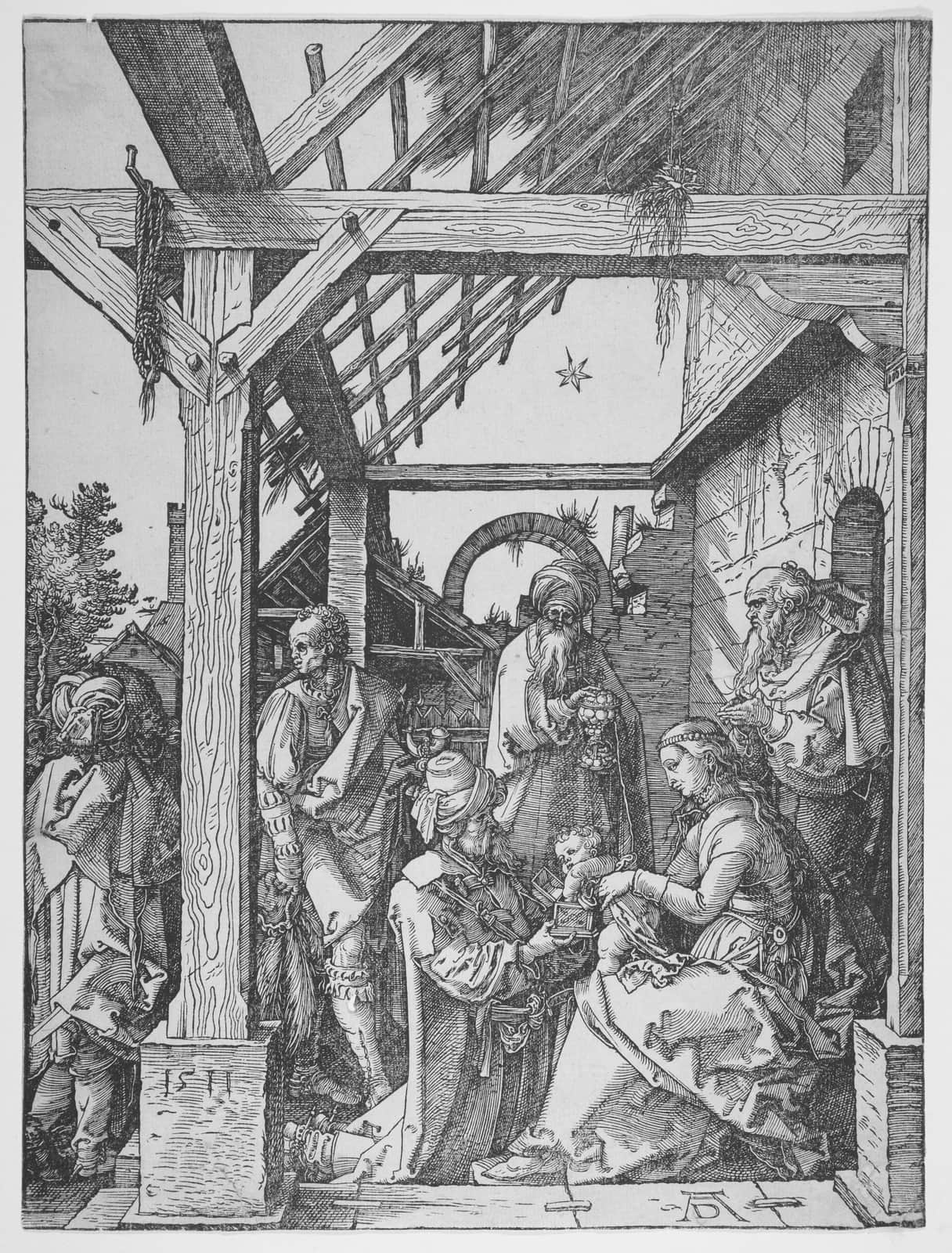
The Adoration of the Magi: the three kings offer gifts to the clothed Christ Child
Albrecht Dürer (1471–1528), The Adoration of the Magi, 1511. Credits

Email view of this day