This day

February 2, 2026

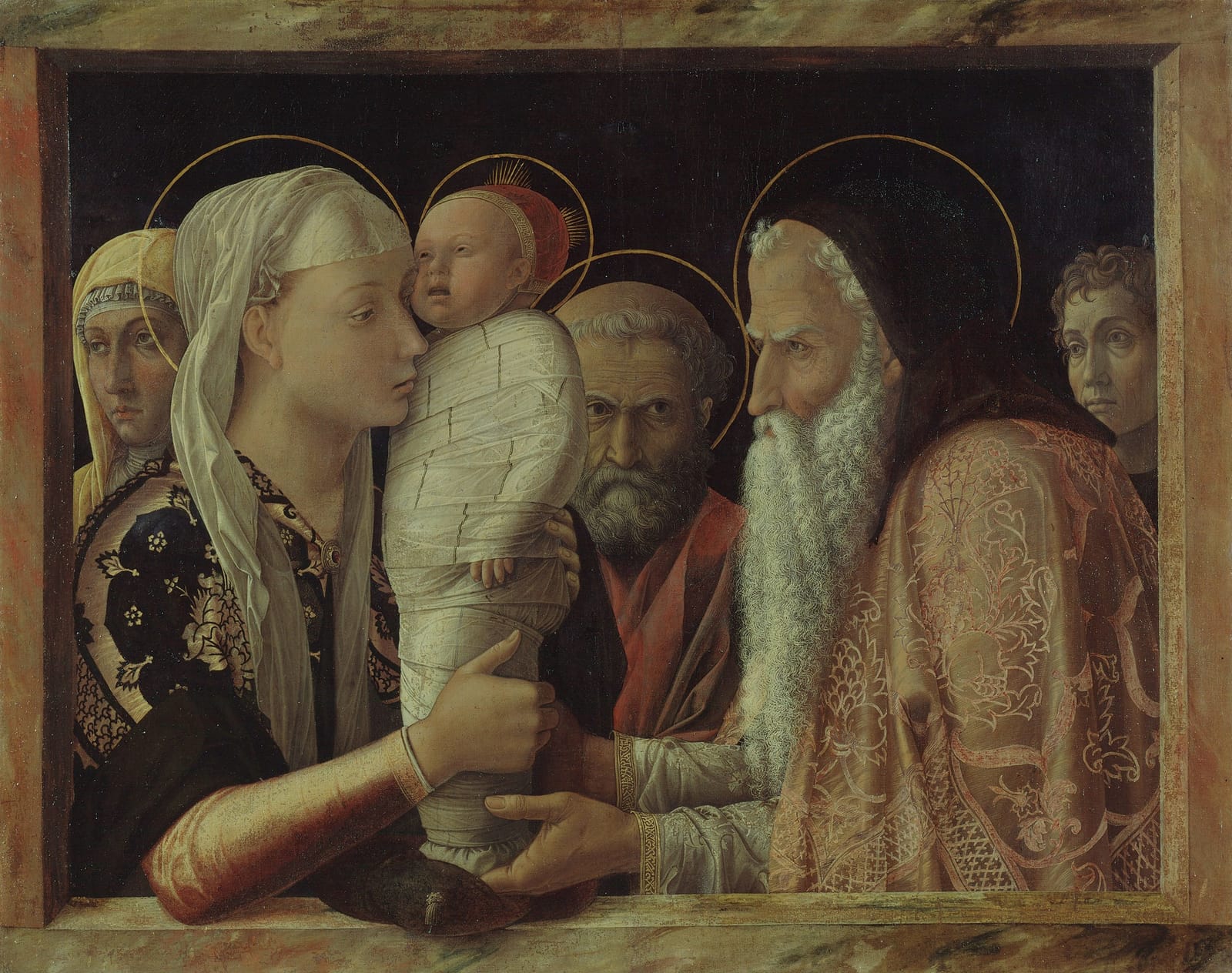
Presentation in the Temple
Presentation in the Temple, Andrea Mantegna (1431–1506), c. 1454. Credits

Septuagesima

February 2, 2026

A Double of the II Class leads the weekday.Rubric

February 2: The Purification of the Blessed Virgin

From Dom Guéranger’s The Liturgical Year.

THE Forty Days of Mary's Purification are now completed, and she must go up to the Temple, there to offer to God her Child Jesus. Before following the Son and his Mother in this their mysterious journey, let us spend our last few moments at Bethlehem, in lovingly pondering over the mysteries at which we are going to assist.

The Law commanded that a woman who had given birth to a son should not approach the Tabernacle for the term of forty days; after which time she was to offer a sacrifice for her purification. She was to offer up a lamb as a holocaust, and a turtle-dove or pigeon as a sin-offering. But if she were poor, and could not provide a lamb, she was to offer in its stead a second turtle-dove or pigeon.

By another ordinance of the Law, every first-born son was to be considered as belonging to God, and was to be redeemed by five sides, each side weighing, according to the standard of the Temple, twenty obols.

Mary was a Daughter of Israel—she had given birth to Jesus—he was her First-born Son.

Monday of Septuagesima Week

From Dom Guéranger’s The Liturgical Year.

The serpent said to the woman: 'Why hath God commanded you, that you should not eat of every tree of paradise?' Thus opened the conversation, which our mother Eve so rashly consents to hold with God’s enemy. She ought to refuse all intercourse with Satan; she does not; and thereby she imperils the salvation of the whole human race.

Let us recall to mind the events that have happened up to this fatal hour. God, in His omnipotence and love, has created two beings, upon whom He has lavished all the riches of His goodness. He has destined them for immortality; and this undying life is to have everything that can make it perfectly happy. The whole of nature is made subject to them. A countless posterity is to come from them, and love them with all the tenderness of grateful children. Nay, this God of goodness who has created them, deigns to be on terms of intimacy with them; and such is their simple innocence, that this adorable condescension does not seem strange to them. But there is something far beyond all this.

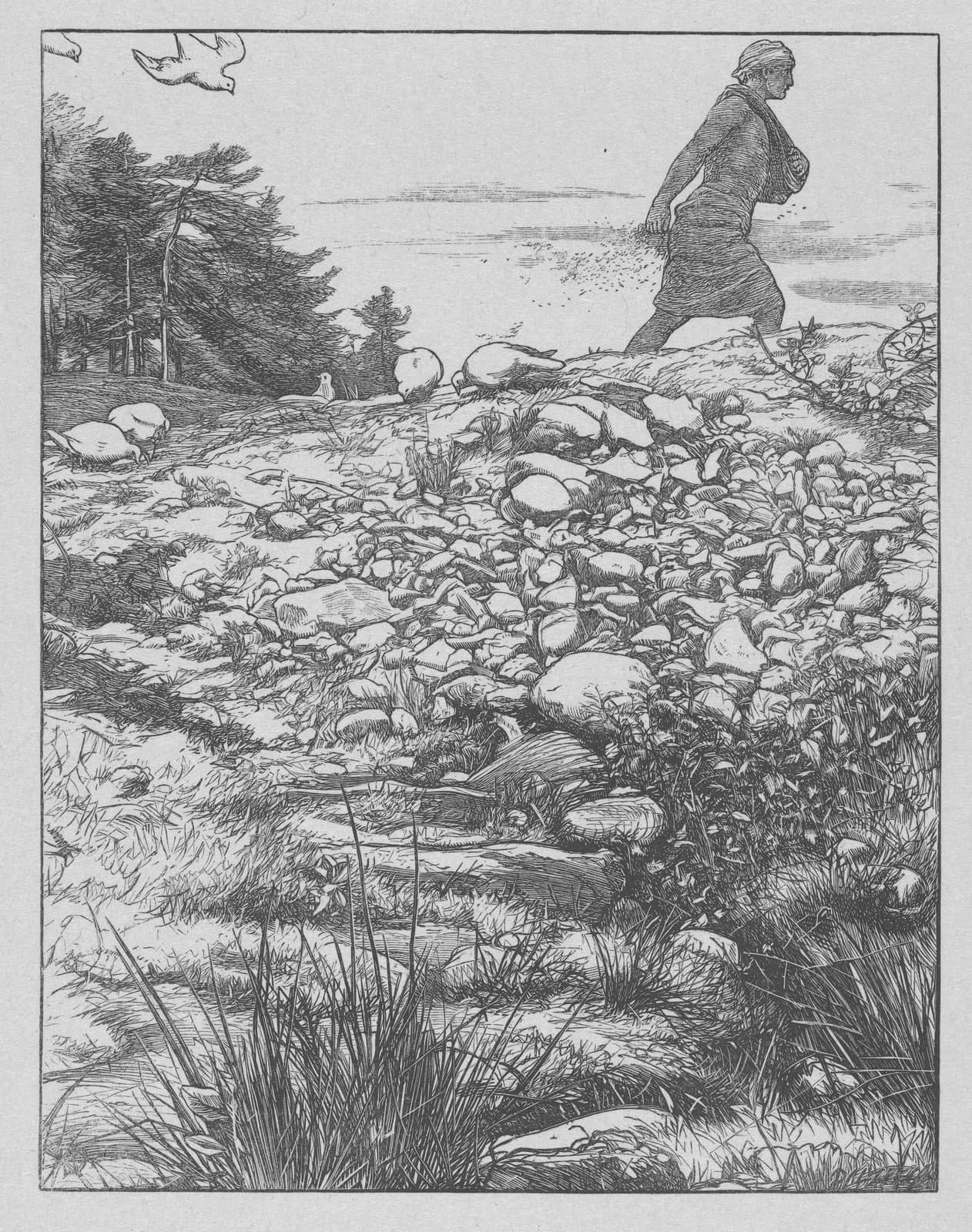
A sower scatters seed on rocky and thorny ground
Sir John Everett Millais (1829–1896), The Sower, from The Parables of Our Lord and Saviour Jesus Christ, 1864. Credits

Email view of this day