This day

February 10, 2026

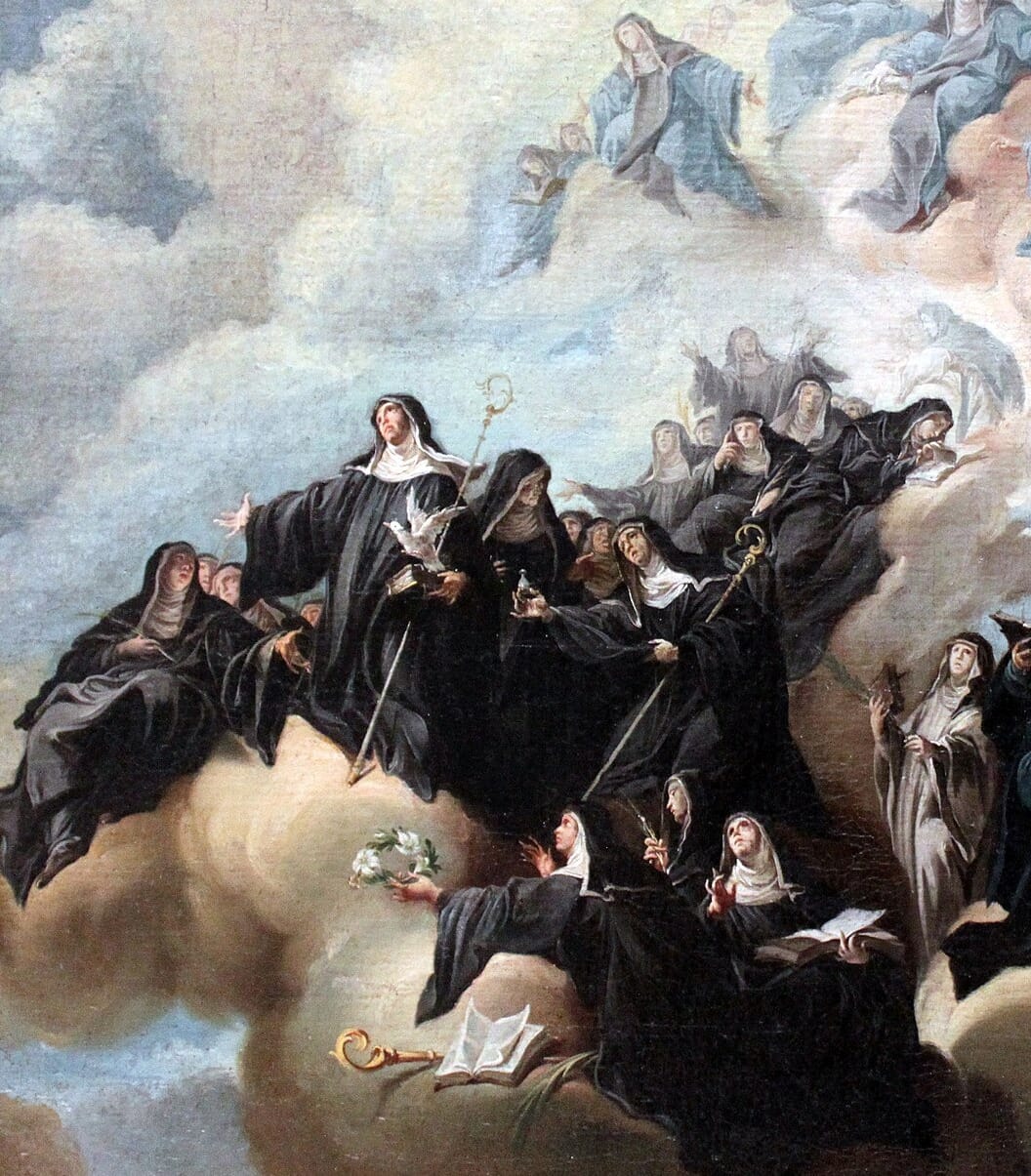
Benedictine nuns on clouds; one holds a dove (attribute of St Scholastica)
Die hl. Scholastika, Johann Jacob Zeiller, 1748. Credits

Septuagesima

February 10, 2026

A Double leads the weekday.Rubric

February 10: St. Scholastica, Virgin

From Dom Guéranger’s The Liturgical Year.

The sister of the patriarch St. Benedict comes to us to-day, sweetly inviting us to follow her to heaven. Apollonia the martyr is succeeded by Scholastica, the fervent daughter of the cloister. Both of them are the brides of Jesus, both of them wear crowns, for both of them fought hard, and won the palm. Apollonia’s battle was with cruel persecutors, and in those hard times when one had to die to conquer; Scholastica’s combat was the lifelong struggle, whose only truce is the soldier’s dying breath. The martyr and the nun are sisters now in the Heart of Him they both so bravely loved.

God, in His infinite wisdom, gave to St. Benedict a faithful co-operatrix, a sister of such angelic gentleness of character, that she would be a sort of counterpoise to the brother, whose vocation, as the legislator of monastic life, needed a certain dignity of grave and stern resolve. We continually meet with these contrasts in the lives of the saints; and they show us that there is a link, of which flesh and blood know nothing; a link which binds two souls together, gives them power, harmonizes their differences of character, and renders each complete.

Tuesday of Sexagesima Week

From Dom Guéranger’s The Liturgical Year.

When we reflect upon the terrible events which happened in the first age of the world, we are lost in astonishment at the wickedness of man, and at the effrontery wherewith he sins against his God. How was it that the dread words of God, which were spoken against our first parents in Eden, could be so soon forgotten? How could the children of Adam see their father suffering and doing such endless penance, without humbling themselves and imitating this model of repentance? How was it that the promise of a Mediator, who was to reopen the gate of heaven for them, could be believed, and yet not awaken in their souls the desire of making themselves worthy to be His ancestors, and partakers of that grand regeneration, which He was to bring to mankind? And yet, the years which followed the death of Adam were years of crime and scandal; nay, he himself lived to see one of his own children become the murderer of a brother. But why be thus surprised at the wickedness of these our first brethren?

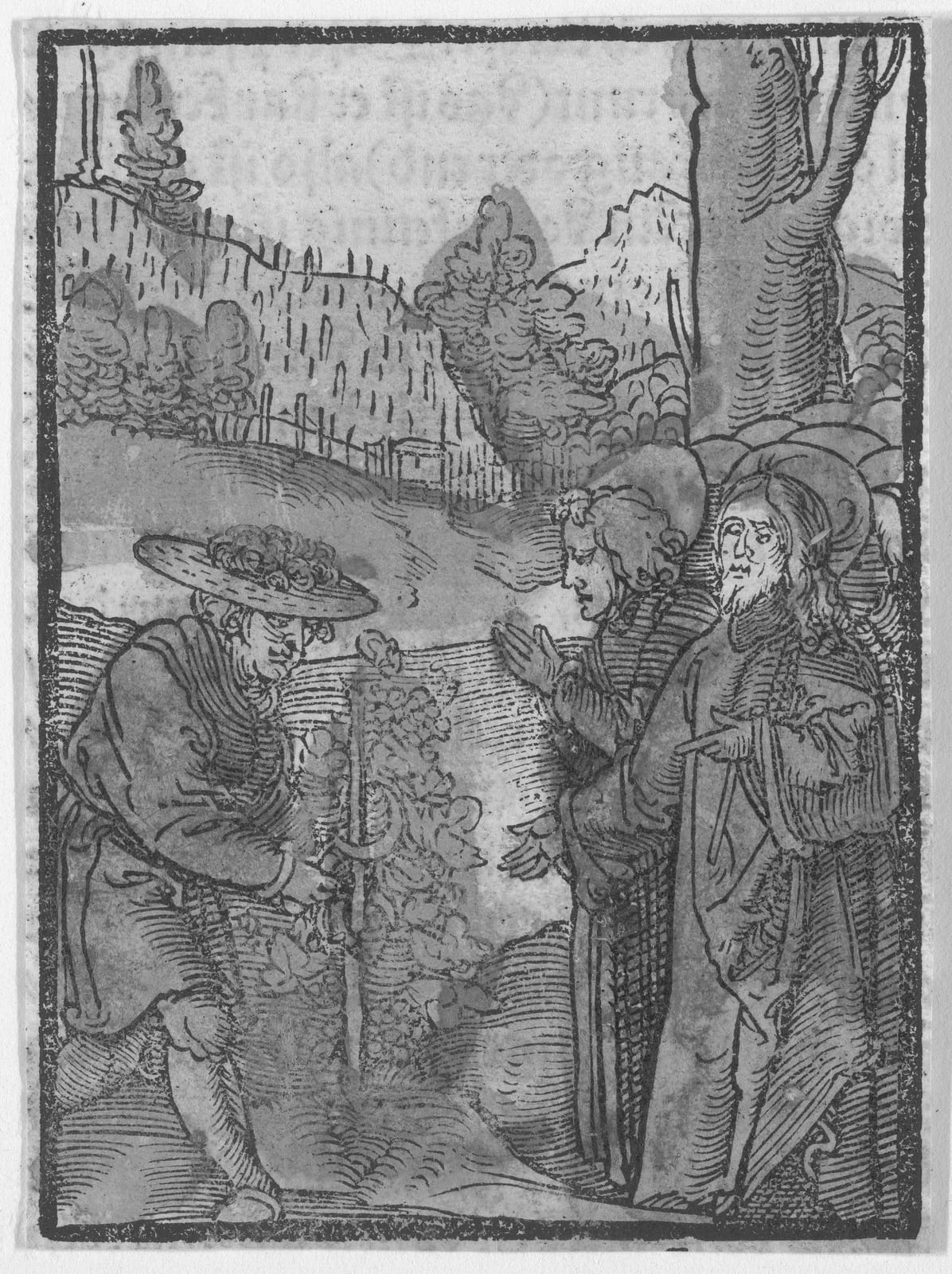
Christ points to a laborer working in a vineyard
Hans Schäufelein (1480–1540), The Parable of the Workers in the Vineyard, from Das Plenarium, 1517. Credits

Email view of this day