Paschal Time
May 5, 2026
A Double leads the weekday.Rubric
From Dom Guéranger’s The Liturgical Year.
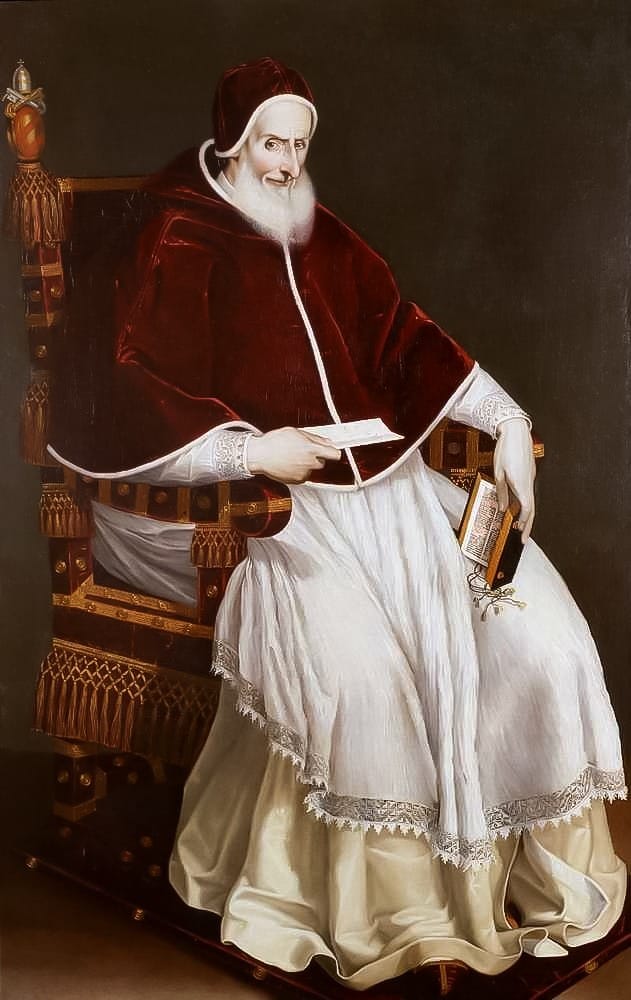
WE have already met with the names of several Pontiffs on the Paschal Calendar. They form a brilliant constellation around our Risen Jesus, who, during the period between his Resurrection and Ascension, gave to Peter, their predecessor, the keys of the kingdom of heaven. Anicetus, Soter, Caius, Cletus and Marcellinus, held in their hands the palm of martyrdom: Leo was the only one who did not shed his blood in the cause of his divine Master. To-day there comes before us a holy Pope who governed the Church in these latter times; he is worthy to stand amidst the Easter group of Pontiffs. Like Leo, Pius V was zealous in combating heresy; like Leo, he saved his people from the barbarian yoke.
The whole life of Pius V was a combat. His pontificate fell during those troubled times when Protestantism was leading whole countries into apostasy. Italy was not a prey that could be taken by violence: artifice was therefore used, in order to undermine the Apostolic See and thus develop the whole Christian world in the darkness of heresy. Pius defended the Peninsula with untiring devotedness from the danger that threatened her.