After Pentecost
June 4, 2026
A Double of the I Class leads; St. Francis Caracciolo is commemorated.Rubric
From Dom Guéranger’s The Liturgical Year.
Let us adore Christ, the King, who ruleth the nations; who giveth fatness of spirit to them that eat him.
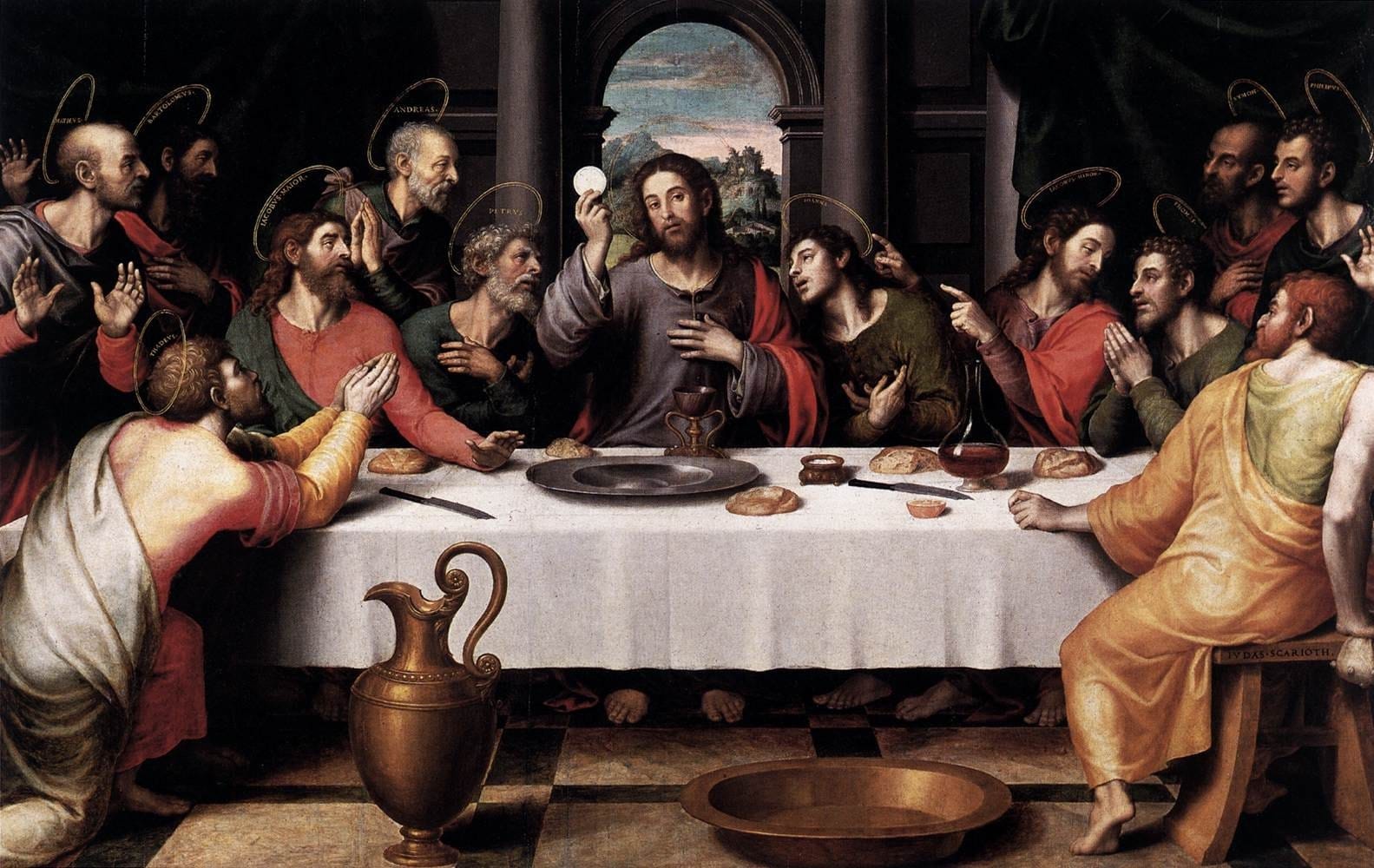
A great solemnity has this day risen upon our earth: a feast both to God and to men: for it is the feast of Christ the Mediator, who is present in the sacred Host, that God may be given to man, and man to God. Divine union—such is the dignity to which man is permitted to aspire; and to this aspiration God has responded, even here below, by an invention which is all of heaven. It is to-day that man celebrates this marvel of God’s goodness.
And yet, against both the feast and its divine object, there has been made the old-fashioned objection: ‘How can these things be done?’ It really does seem as though reason has a right to find fault with what looks like a senseless pretension of man’s heart.
Every living being thirsts after happiness; and yet, and because of that, it aspires only after the good of which it is capable; for it is the necessary condition of happiness that, in order to its existence, there must be the full contentment of the creature’s desire.