This day

June 30, 2026

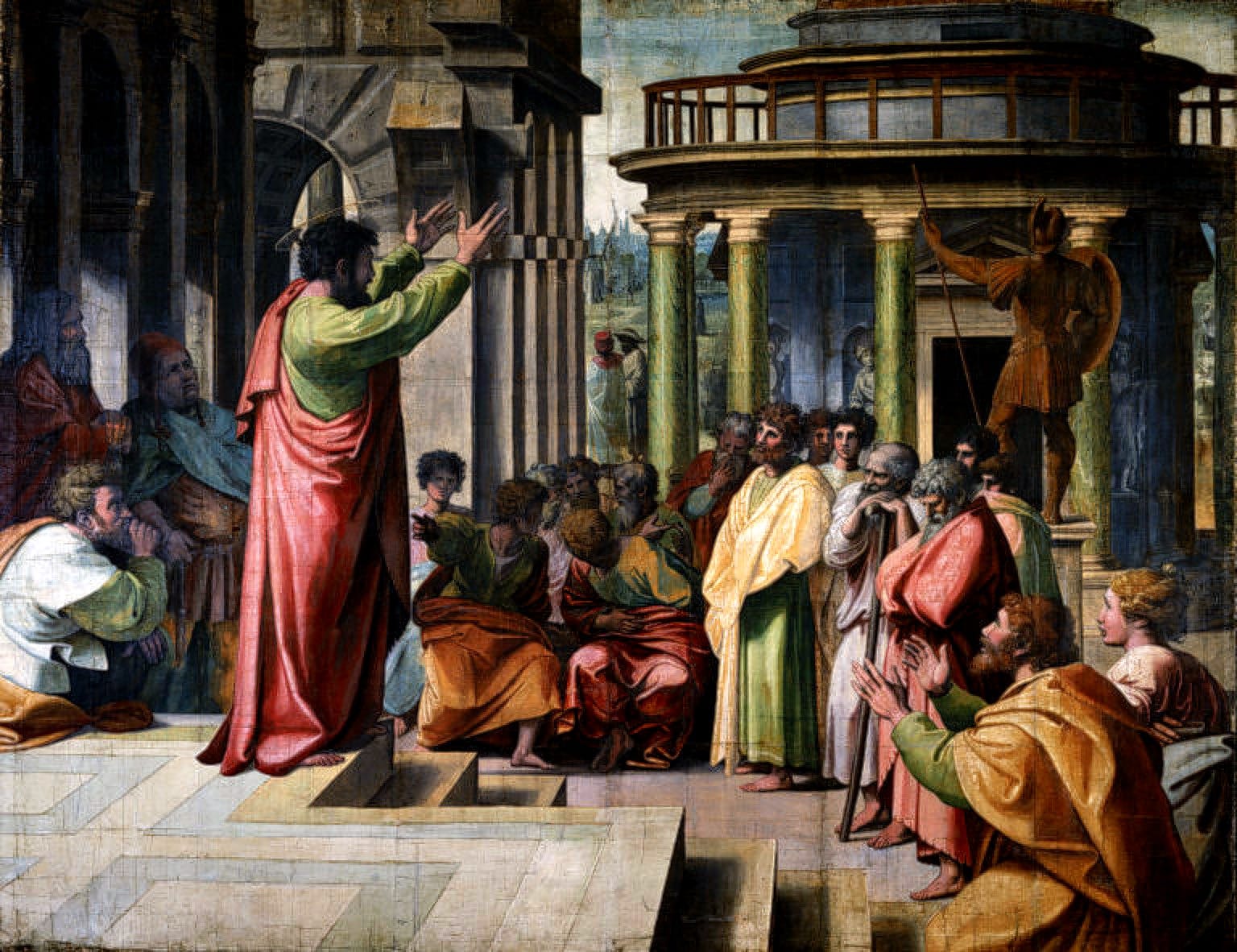
St Paul preaching in Athens, arm raised among listeners
St Paul Preaching in Athens, Raphael (1483–1520). Credits

After Pentecost

June 30, 2026

June 30: The Commemoration of St. Paul

From Dom Guéranger’s The Liturgical Year.

WHEREAS the Greeks on this day are uniting in one solemnity the memory, as they express it, ‘of the illustrious saints, the twelve apostles, worthy of all praise,’ let us follow in spirit the Roman populace, who are gathered around the successor of Peter, and are making the splendid basilica of the Ostian Way re-echo with songs of victory, while he is offering to the Doctor of the Gentiles the grateful homage of the city and of the world.

On the twenty-fifth of January we beheld Stephen leading to Christ’s crib the once ravenous wolf of Benjamin, tamed at last, but who in the morning of his impetuous youth had filled the Church of God with tears and bloodshed. His evening did indeed come when, as Jacob had foreseen, Saul, the persecutor, would outstrip all his predecessors among Christ’s disciples in giving increase to the fold, and in feeding the flock with the choicest food of his heavenly doctrine.

By an unexampled privilege, our Lord, though already seated at the right hand of his Father, vouchsafed not only to call, but personally to instruct this new disciple, so that he might one day be numbered amongst his apostles.

This week's Sunday: The Fifth Sunday after Pentecost

From Dom Guéranger’s The Liturgical Year.

This Sunday, which, with the Greeks, is called the fifth of St. Matthew, was known by the Latins as the Sunday of the fishing; such was its name up to the time when the Church transferred to the previous Sunday the Gospel which suggested that title. The week which it commences is, in some ancient lectionaries, called the 'first after the feast of the apostles' or of St. Peter; in others it is the second or third after the same feast; these, and similar varieties of names, which it is no rare thing to find in the liturgical books of the Middle Ages, are due to the fact that Easter was kept earlier or later in the years when those books were written.

The Church began last night the reading of the second Book of Kings, which opens with the description of Saul's sad end and David's accession to the throne of Israel. The exaltation of Jesse’s son is the climax to the prophetic life of the ancient people. In David God had found His faithful servant, and He resolved to exhibit him to the world as the most perfect figure of the future Messiah.

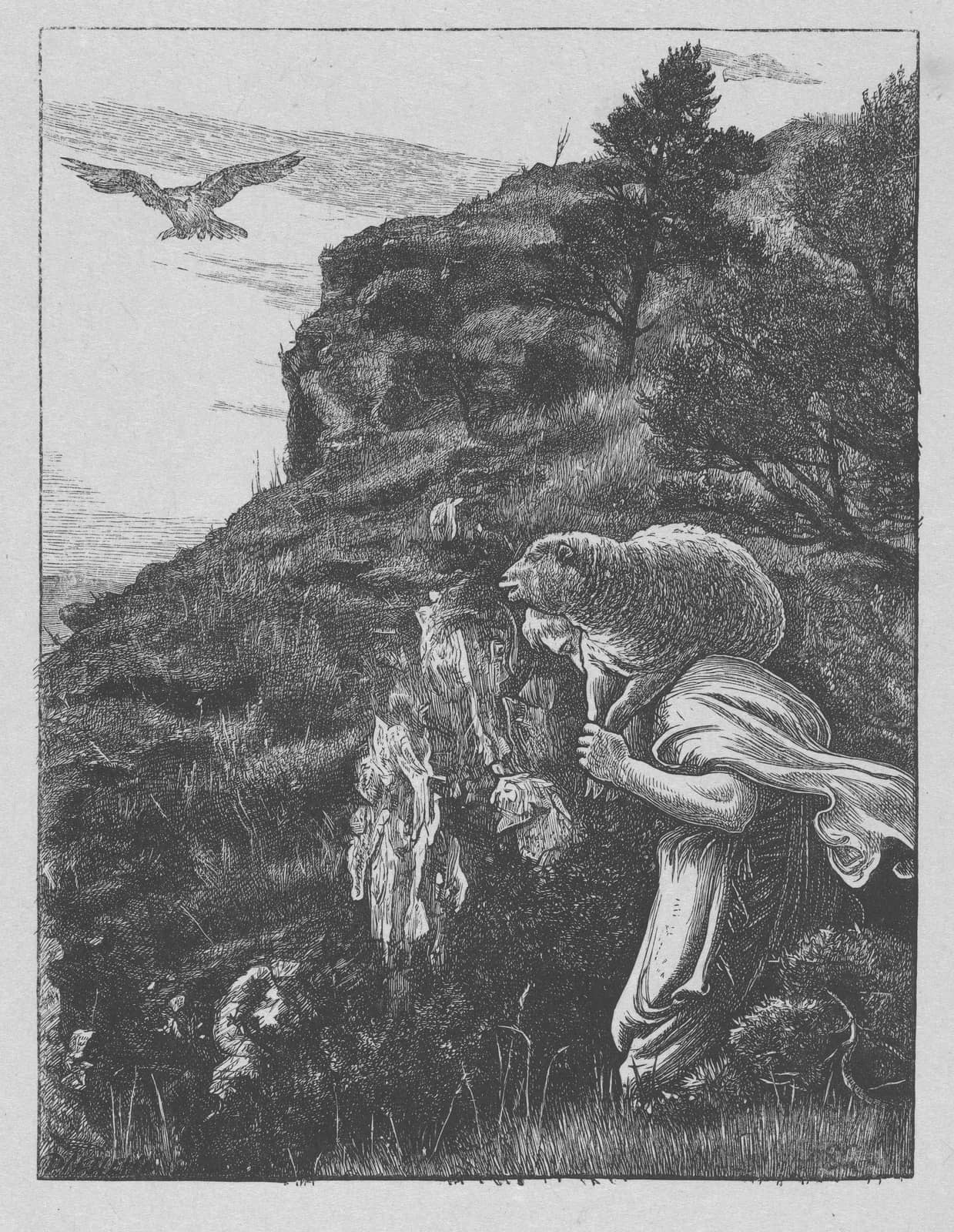
A shepherd carries the lost sheep
Sir John Everett Millais (1829–1896), The Lost Sheep, from The Parables of Our Lord and Saviour Jesus Christ, 1864. Credits

Email view of this day