This day

July 11, 2026

After Pentecost

July 11, 2026

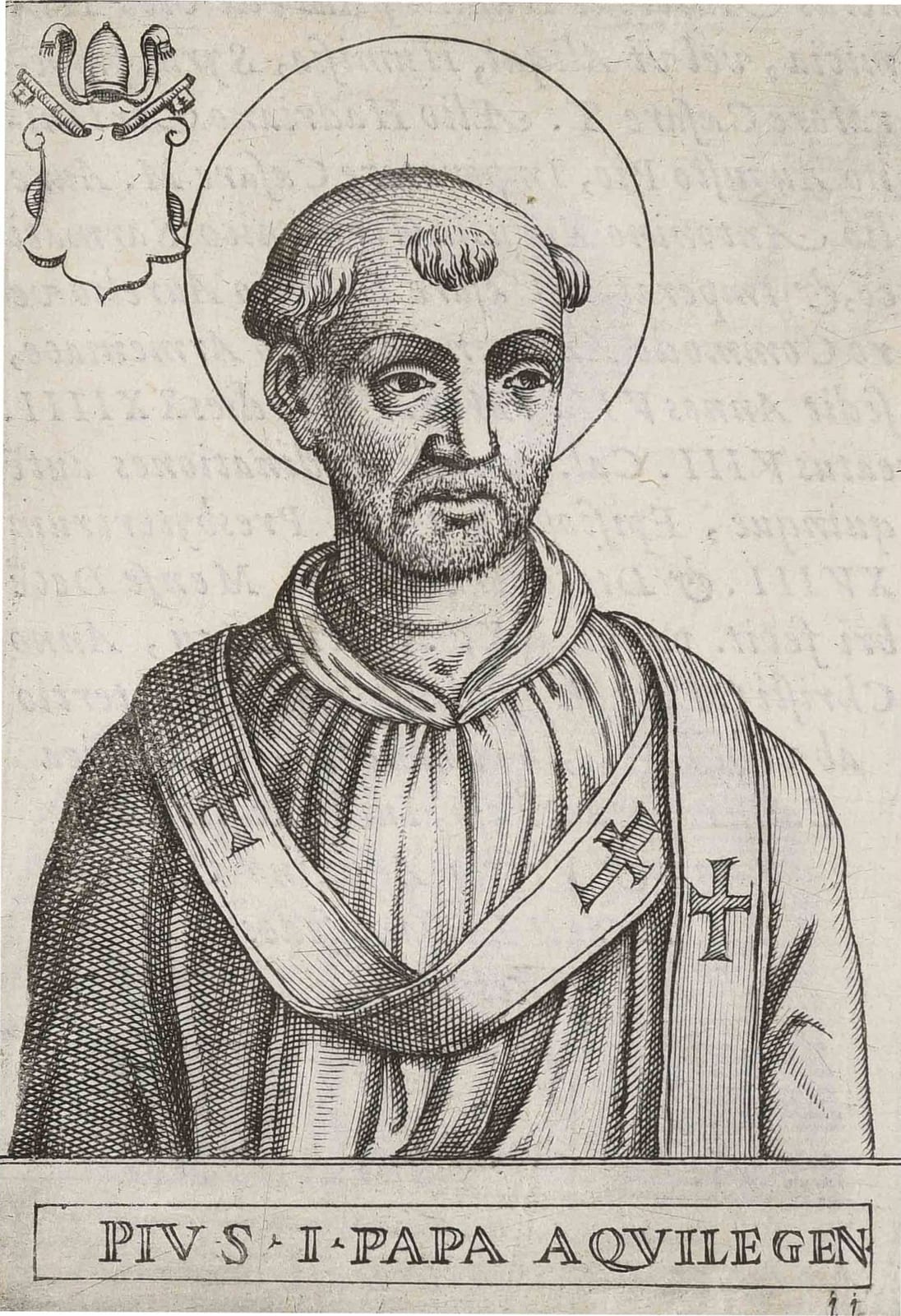
July 11: St. Pius I, Pope and Martyr

From Dom Guéranger’s The Liturgical Year.

A HOLY Pope of the second century, the first of the eleven hitherto graced with the name of Pius, rejoices us to-day with his mild and gentle light. Although Christian society was in a precarious condition under the edicts of persecution, which even the best of the pagan emperors never abrogated, our saint profited by the comparative peace enjoyed by the Church under Antoninus Pius to strengthen the foundations of the mysterious tower raised by the divine Shepherd to the honour of the Lord God. He ordained by his supreme authority that, notwithstanding the contrary custom observed in certain places, the feast of Easter should be celebrated on a Sunday throughout the entire Church. The importance of this measure and its effects upon the whole Church will be brought before us on the feast of St. Victor, who succeeded Pius at the close of the century.

The ancient legend of St. Pius I, which has lately been altered, made mention of the decree, attributed in the Corpus juris to our Pontiff, concerning those who should carelessly let fall any portion of the Precious Blood of our Lord.

This week's Sunday: The Sixth Sunday after Pentecost

From Dom Guéranger’s The Liturgical Year.

The Office for the sixth Sunday after Pentecost, which began yesterday evening, reminded us, in its Magnificat antiphon, of a repentance which has never had an equal. David, the royal prophet, the conqueror of Goliath, himself conquered by sensuality, and from adulterer become a murderer, at last felt the crushing weight of his double crime, and exclaimed: 'I do beseech thee, O Lord, take away the iniquity of thy servant, for I have done foolishly!'

Sin is always a folly and a weakness, no matter of what kind it may be, or who he be that commits it. The rebel angel, and fallen man, may, in their pride, make efforts to persuade themselves that, when they sinned, they did not act as fools, and were not weak; but all their efforts are vain; sin must ever have this disgrace upon it, that it is folly and weakness, for it is a revolt against God, a contempt for His law, a mad act or the creature, who, being made by his.

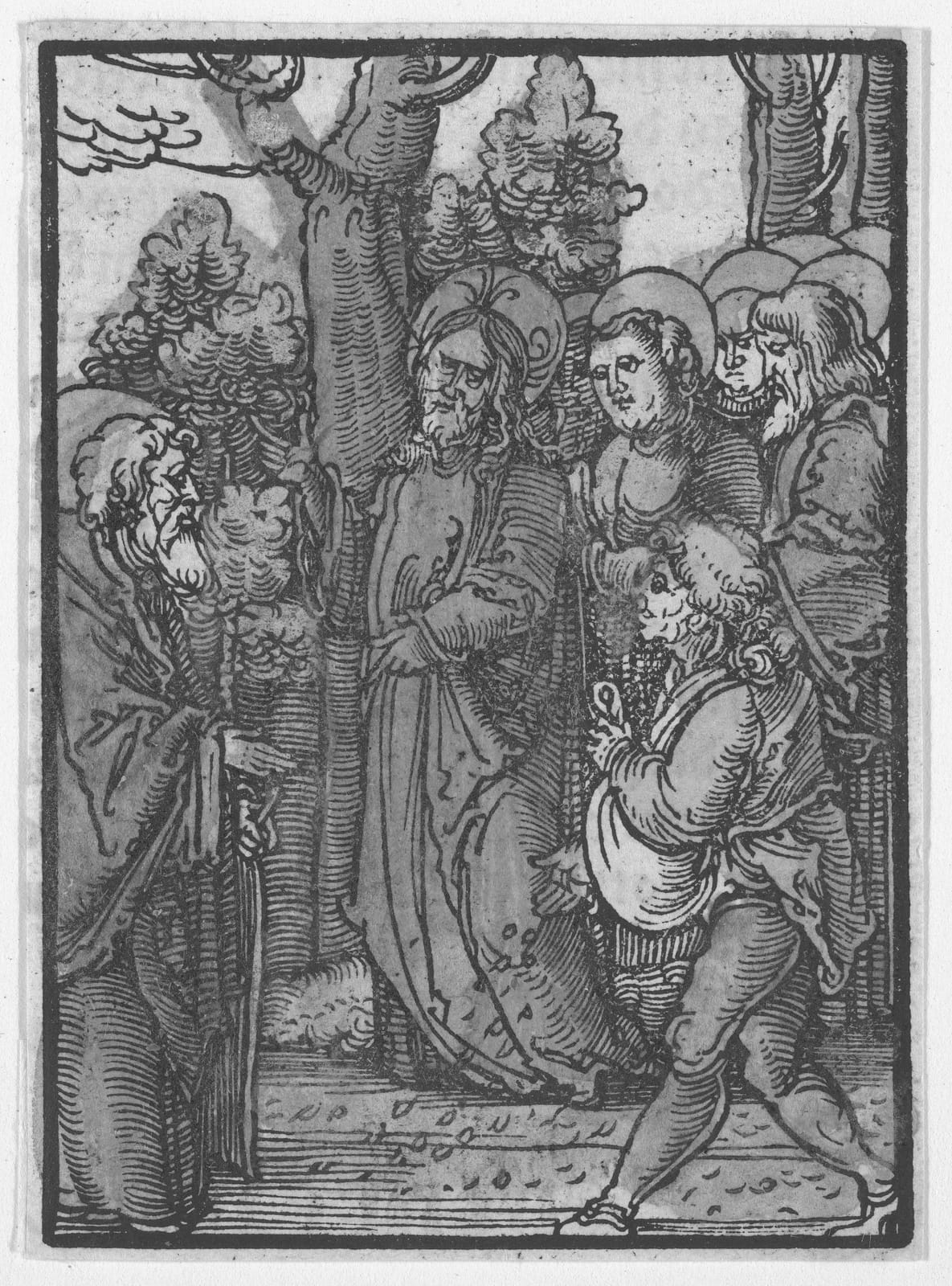
The parable of the wheat and the weeds
Hans Schäufelein (1480–1540), The Parable of the Sower and the Weeds, from Das Plenarium, 1517. Credits

Email view of this day