This day

July 19, 2026

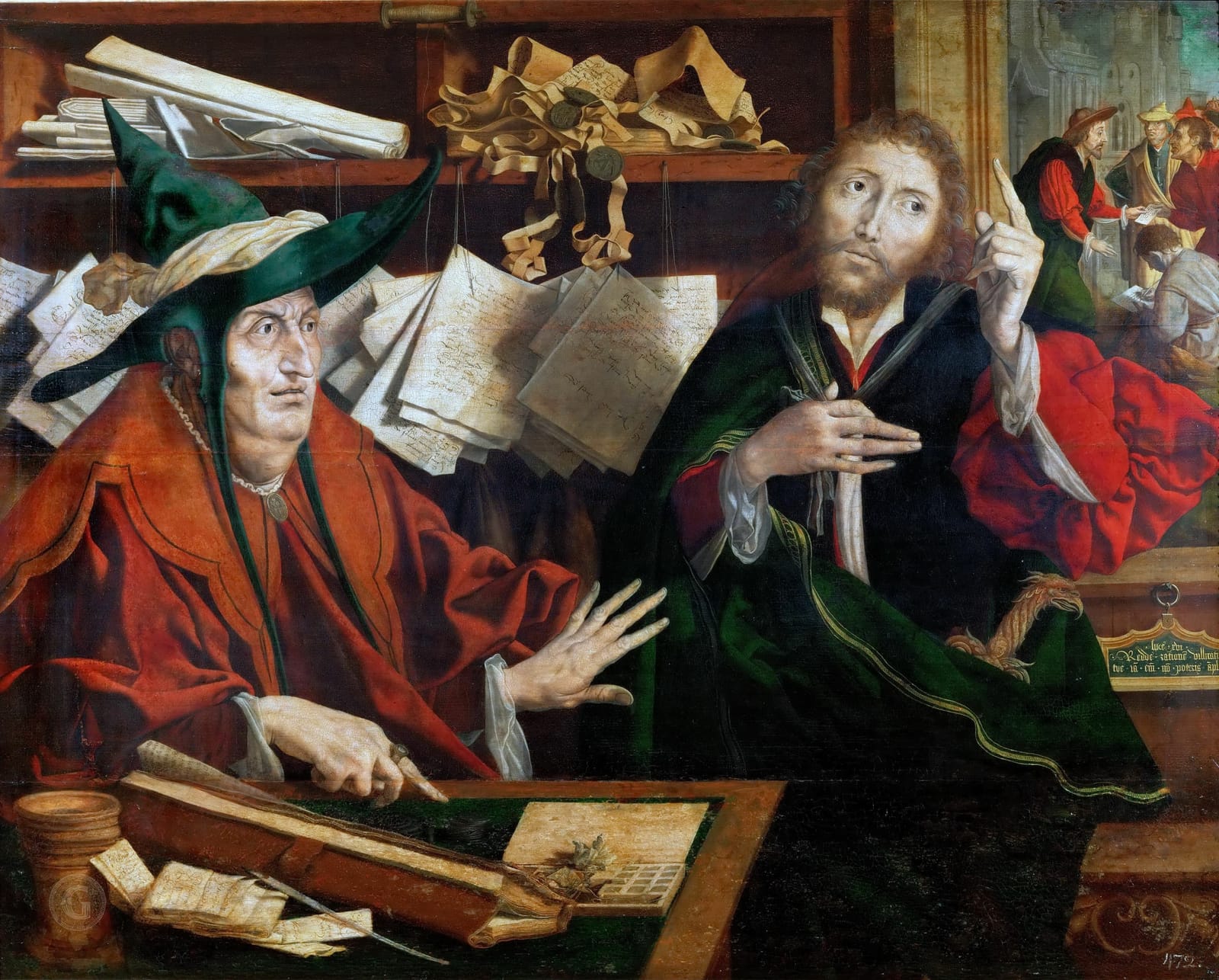
Parable of the Unjust Steward
Parable of the Unjust Steward, Marinus van Reymerswaele, c. 1540. Credits

After Pentecost

July 19, 2026

The Eighth Sunday after Pentecost

From Dom Guéranger’s The Liturgical Year.

In the middle ages this Sunday was called the sixth and last Sunday after the Natalis of the apostles (that is, the feast of St. Peter); it was, indeed, the last for the years when Easter had been kept as late in April as was possible; but it was only the first after that feast of St. Peter when Easter immediately followed the spring equinox.

We have already noticed the variable character of this last portion of the liturgical cycle, which is the result of Easter being kept on a different day each year; and that in consequence of this variation this week may be the second in which the Sapiential Books are read, or, what is of more frequent occurrence, the Books of Kings may still be providing the lessons for the Divine Office. In this latter case it is the ancient temple raised by Solomon, the king of peace, to the glory of Jehovah, that engages the Church's attention to-day. We shall find that the portions of the Mass which are chanted on this Sunday are closely connected with the lessons read in last night’s Office.
Chapter 8: Of the Office of Compline for Sundays and Feasts during the Time after Pentecost

From Dom Guéranger’s The Liturgical Year.

This Office, which concludes the day, commences by a warning of the dangers of the night; then immediately follows the public confession of our sine, as a powerful means of propitiating the divine justice, and of obtaining God’s help, now that we are going to spend so many hours in the unconscious, and therefore dangerous, state of sleep, which is also such an image of death.

May the almighty Lord grant us a quiet night, and a perfect end.
℟. Amen.

The lector then reads these words, from the first Epistle of St. Peter: Fratres: Sobrii estote et vigilate: quia adversarius vester diabolus tamquam leo rugiens circuit, quærens quem devoret: cui resistite fortes in fide. Tu autem, Domine, miserere nobis.

Brethren, be sober and watch: because your adversary the devil, as a roaring lion, goeth about seeking whom he may devour: whom resist ye, strong in faith. But thou, O Lord, have mercy on us.

Then the Lord’s Prayer is recited in secret; after which the priest says the Confiteor, and when he has finished, the choir repeats it.

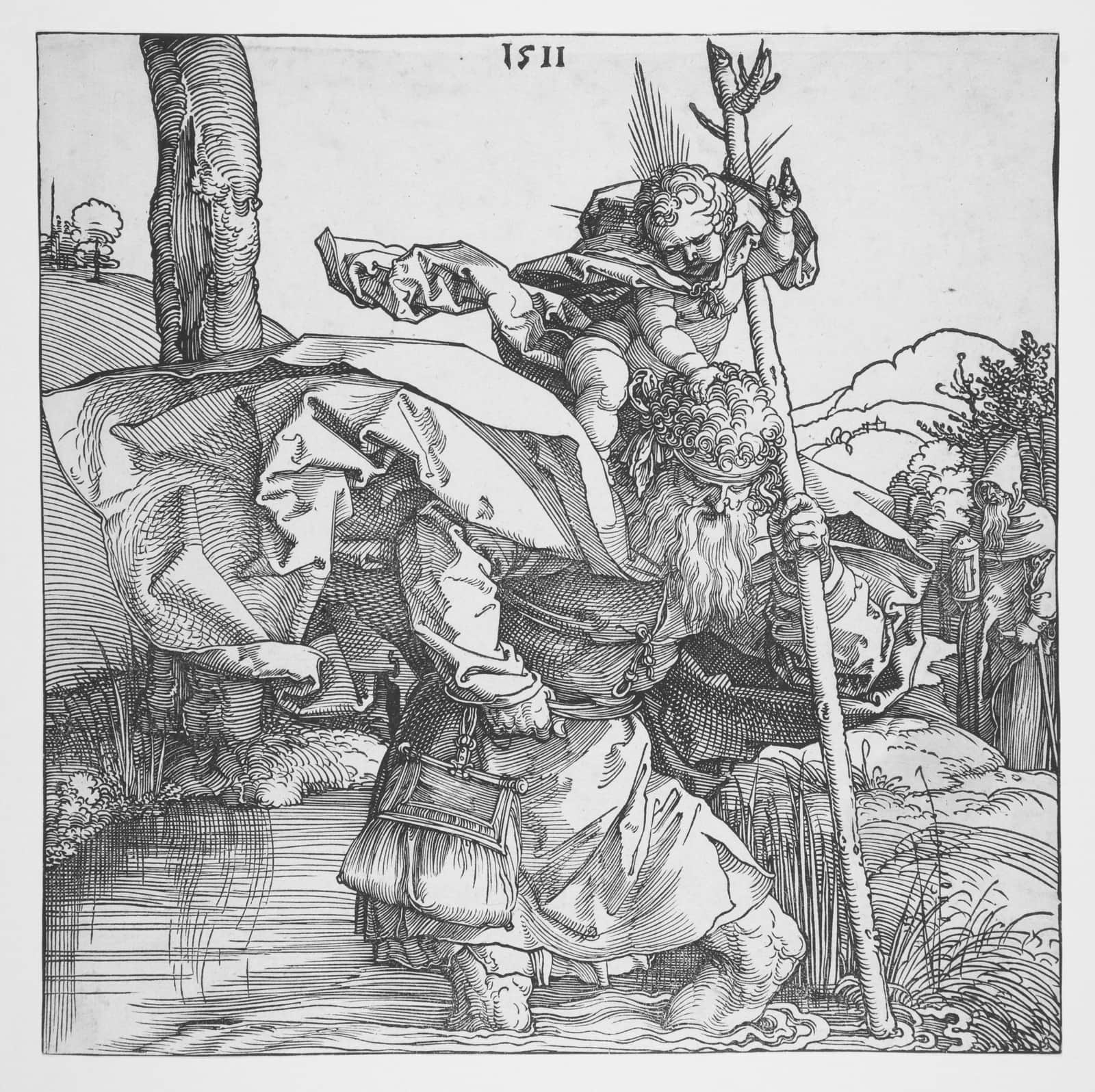
Saint Christopher carrying the Christ Child across the river
Albrecht Dürer (1471–1528), Saint Christopher, 1511. Credits

Email view of this day