This day

September 15, 2026

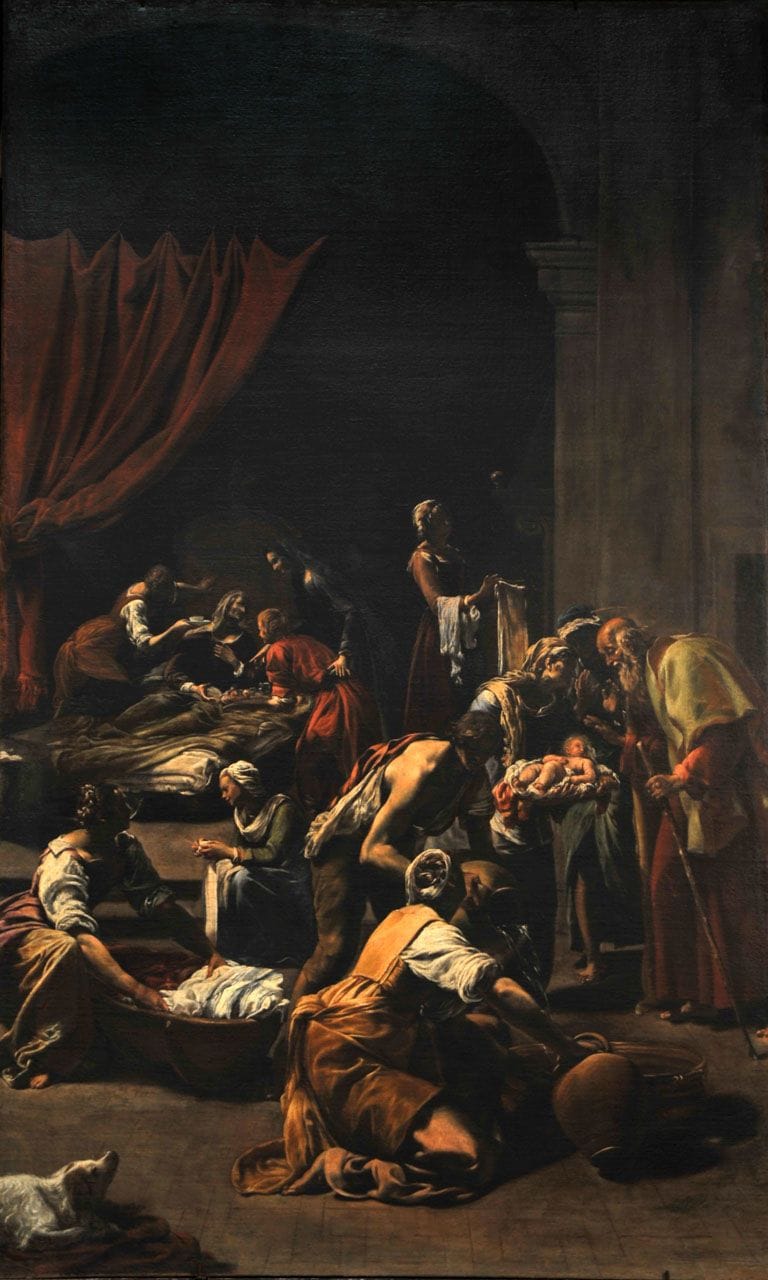
The Nativity of the Virgin
The Nativity of the Virgin, Orazio Borgianni (1574–1616), 1608–1616. Credits

After Pentecost

September 15, 2026

September 15: The Octave Day of the Nativity of the Blessed Virgin

From Dom Guéranger’s The Liturgical Year.

‘Praise and glory be to thee, O holy Trinity, who hast brought us all to this day’s solemnity. Praise be to thee also, O holy Mother of God, sceptre of the orthodox faith: through thee the cross triumphs, and man is called back to heaven; through thee the idols are overthrown, and the nations are brought to repentance.’ Such words as these, which the Church borrows from her doctors to close the bright octave, were doubtless sung in prophecy by the angels around the new-born babe Mary. And such, in the light of the ages since elapsed, must needs be our answer to the question so often repeated at the cradle side: What shall this child be?

The doctrine lately laid down so magisterially by the infallible successor of St. Peter, is this: Since the days of her mortal life, when Mary was, even in this world, truly the Mother of the Church, the Queen of the apostles and their mistress with regard to the divine oracles; but especially since she has received in heaven an almost infinite power for dispensing the fruits of redemption: the mighty helper of the Christian people, the restorer of the world, has not ceased to prove herself the impregnable rampart of the Church, the solid foundation of the faith, the fountain springing from God, whence the rivers of divine Wisdom pour out their pure waters, sweeping away heresy from all places.
Chapter 2: The Mystery of the Time after Pentecost

From Dom Guéranger’s The Liturgical Year.

That we may thoroughly understand the meaning and influence of the season of the liturgical year upon which we have now entered, it is requisite for us to grasp the entire sequel of mysteries, which holy Church has celebrated in our presence and company; we have witnessed her services, and we have shared in them. The celebration of those mysteries was not an empty pageant, acted for the sake of being looked at. Each one of them brought with it a special grace, which produced in our souls the reality signified by the rites of the liturgy. At Christmas Christ was born within us; at Passiontide He passed on and into us His sufferings and atonements; at Easter He communicated to us His glorious, His untrammelled life; in His Ascension He drew us after Him, and this even to heaven’s summit; in a word, as the apostle expresses all this working, ‘Christ was formed in us.’

But, in order to give solidity and permanence to the image of Christ formed within us, it was necessary that the Holy Ghost should come, that so He might increase our light, and enkindle a fire within us that should never be quenched.

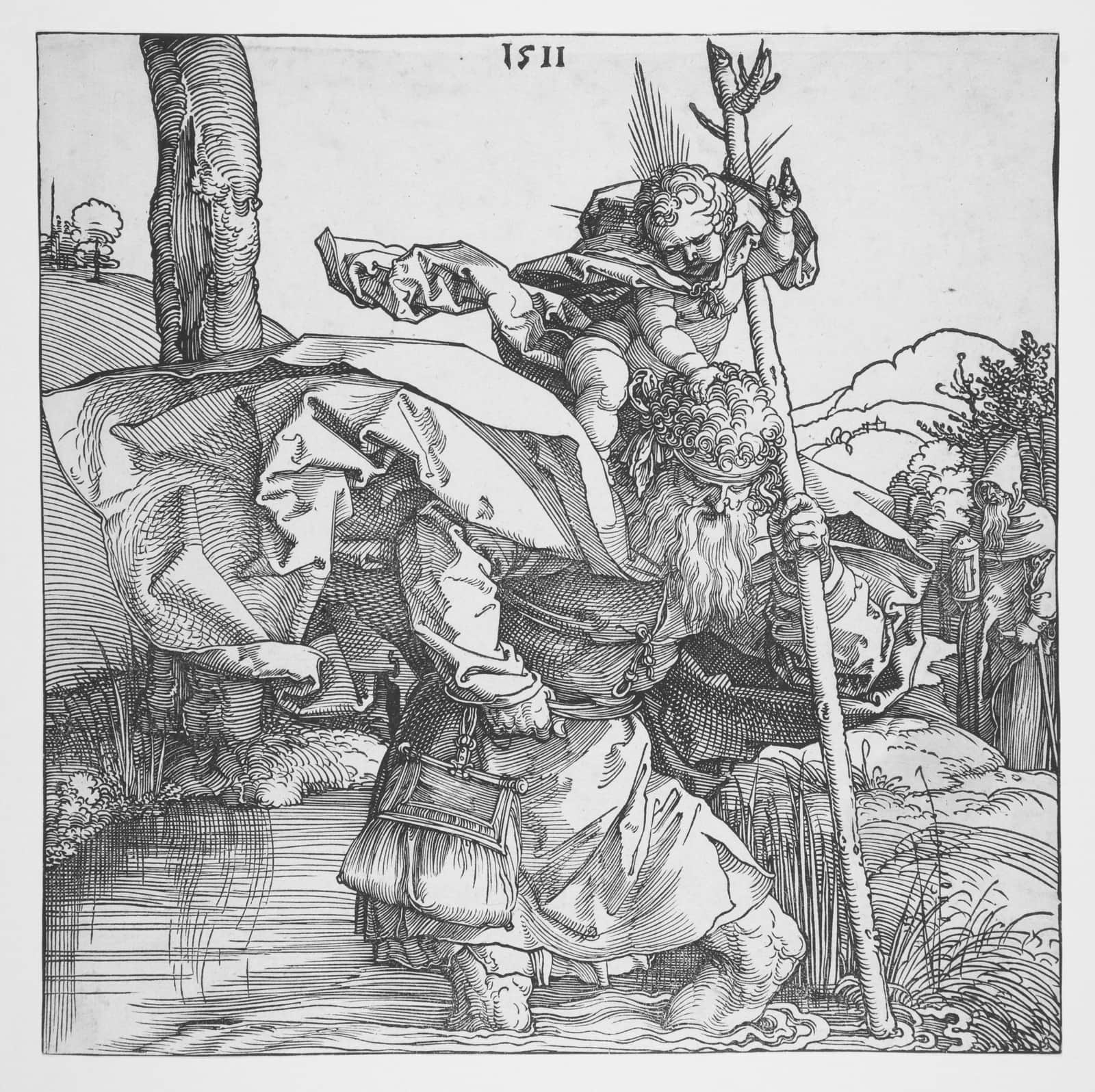
Saint Christopher carrying the Christ Child across the river
Albrecht Dürer (1471–1528), Saint Christopher, 1511. Credits

Email view of this day