This day

September 18, 2026

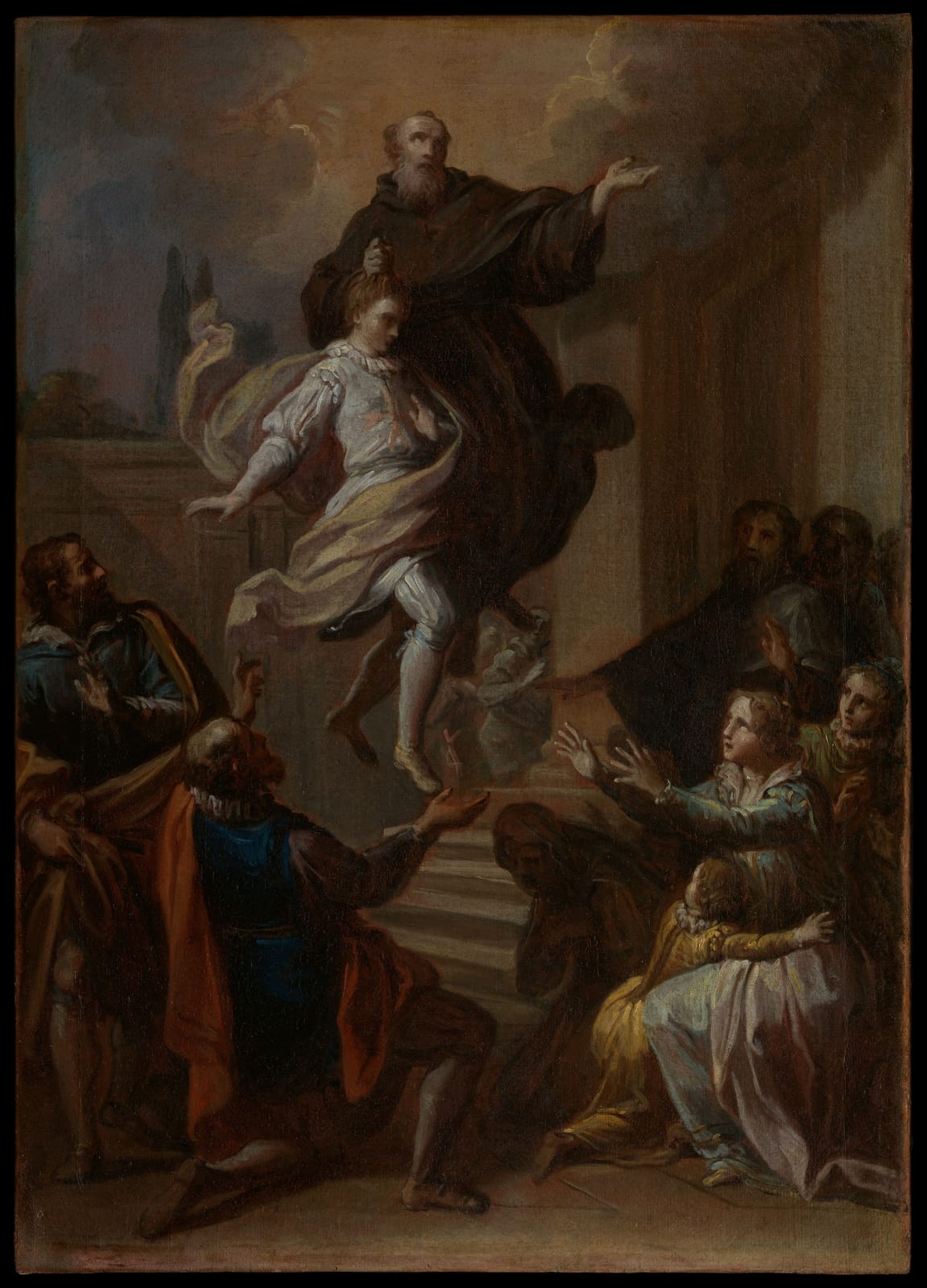
A Miracle of Saint Joseph of Cupertino
A Miracle of Saint Joseph of Cupertino, Placido Costanzi (1702–1759), 1750. Credits

After Pentecost

September 18, 2026

September 18: St. Joseph of Cupertino, Confessor

From Dom Guéranger’s The Liturgical Year.

While, in France, the rising spirit of Jansenism was driving God from the hearts of the people, a humble son of St. Francis, in southern Italy, was showing how easily love may span the distance between earth and heaven. ‘And I, if I be lifted up from the earth, will draw all things to Myself,’ said our Lord; and time has proved it to be the most universal of His prophecies. On the feast of the holy cross, we witnessed its truth, even in the domain of social and political claims. We shall experience it in our very bodies on the great day, when we shall be taken up in the clouds to meet Christ, into the air. But Joseph of Cupertino had experience of it without waiting for the resurrection: innumerable witnesses have borne testimony to his life of continual ecstasies, wherein he was frequently seen raised high in the air. And these facts took place in what men are pleased to call the noonday of history.

Josephus a Cupertino, oppido in Salentinis diœcesis Neritonensis, anno reparatæ salutis millesimo sexcentesimo tertio, piis ibidem parentibus ortus, Deique amore præventus, pueritiam atque adolcscentiam summa cum simplicitate morumque innocentia transegit.

This week's Sunday: The Sixteenth Sunday after Pentecost

From Dom Guéranger’s The Liturgical Year.

The resuscitation of the son of the widow of Naim, on which our thoughts were fixed last Sunday, has reanimated the confidence of our beloved mother, the Church; her prayer goes up all the more earnestly to her Spouse, who leaves her on earth, for a time, that she may grow dearer to Him by sufferings and tears. Let us, of course, enter into the sentiments which guided her in the choice of to-day’s Introit.

Have mercy on me, O Lord, for I have cried unto thee all the day; for thou, Lord, art sweet and mild, and plenteous in mercy to all that call upon thee.
Ps. Incline thine ear unto me, O Lord, and hear me: for I am needy and poor. Glory, etc. Have mercy.

Such is our inability in the work of salvation, that, unless grace prevent, that is, anticipate, us, we cannot have so much as the thought of doing what is holy; and again, unless it follow up the inspirations it has given us, and lead them to a happy termination, we shall never be able to pass from the simple thought to the act of any virtue whatsoever.

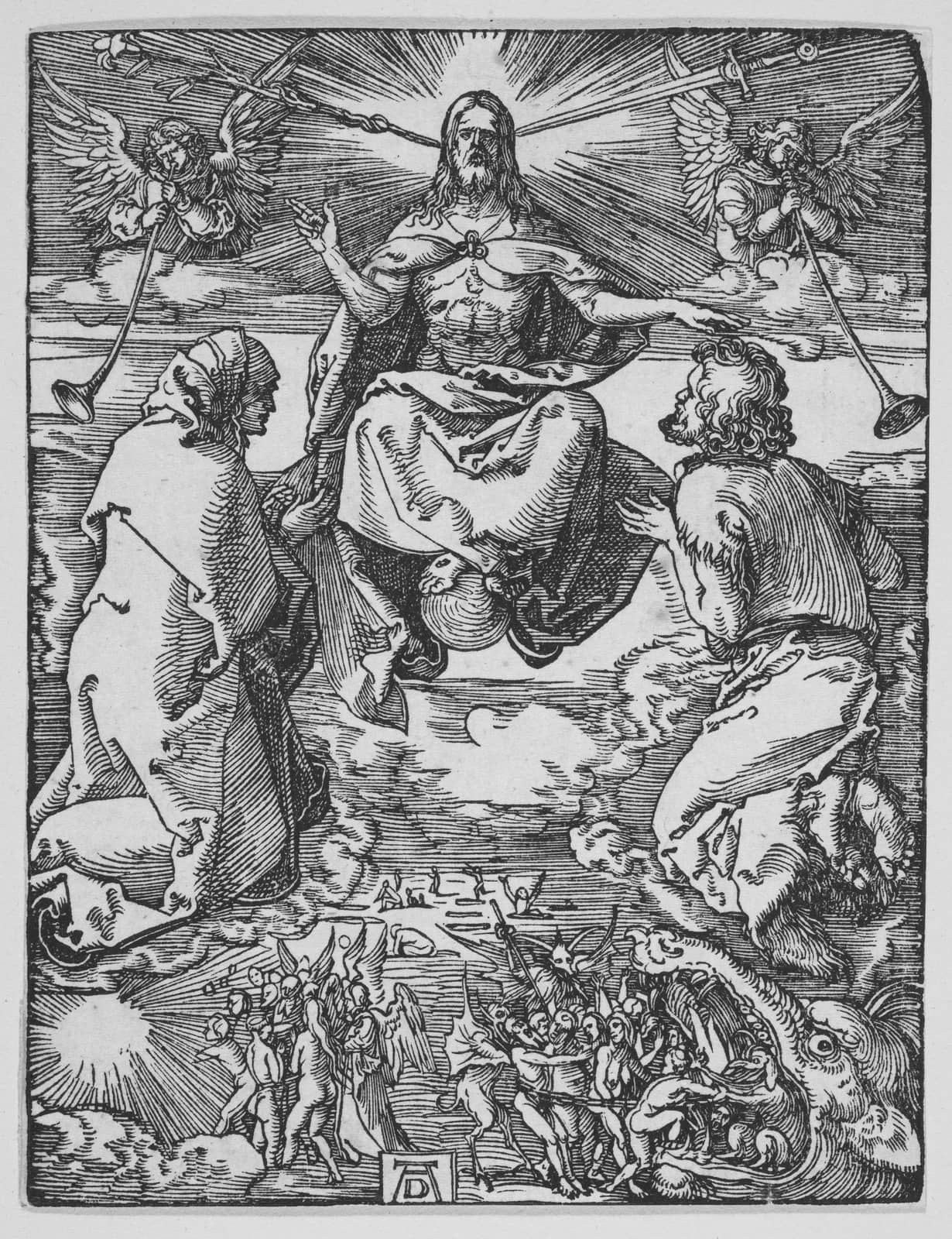
The Last Judgment
Albrecht Dürer (1471–1528), The Last Judgment, from The Small Passion, ca. 1510. Credits

Email view of this day