This day

October 6, 2026

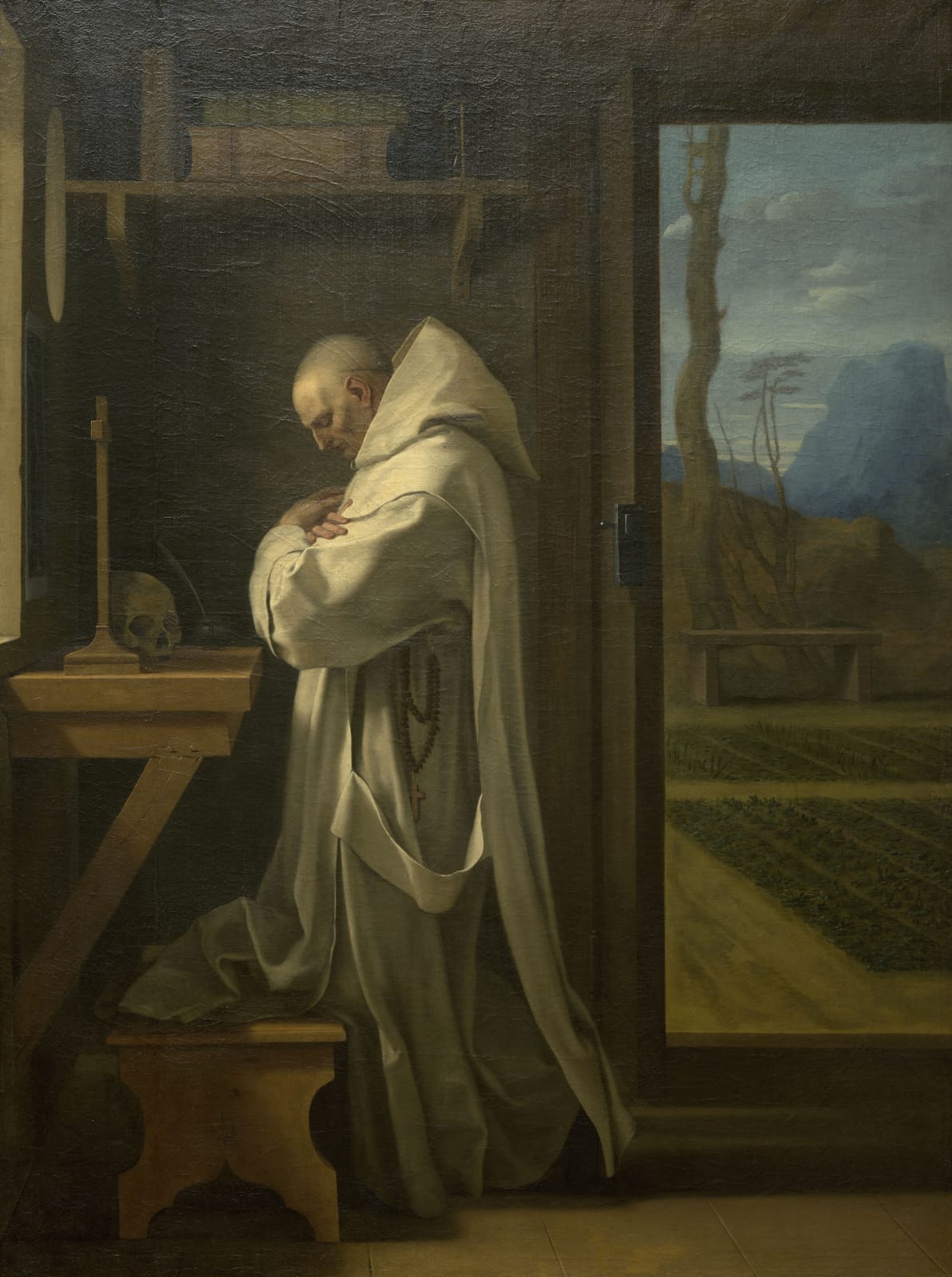
Saint Bruno in Prayer
Saint Bruno in Prayer, Eustache Le Sueur (1616–1655), c. 1650. Credits

After Pentecost

October 6, 2026

October 6: St. Bruno, Confessor

From Dom Guéranger’s The Liturgical Year.

Among the divers religious families, none is held in higher esteem by the Church than the Carthusian; the prescriptions of the corpus juris determine that a person may pass from any other Order into this, without deterioration. And yet it is of all the least given to active works. Is not this a new, and not the least convincing, proof that outward zeal, how praiseworthy soever, is not the only, or the principal thing in God’s sight? The Church, in her fidelity, values all things according to the preferences of her divine Spouse. Now, our Lord esteems His elect not so much by the activity of their works, as by the hidden perfection of their lives; that perfection which is measured by the intensity of the divine life, and of which it is said: ‘Be you therefore perfect, as also your heavenly Father is perfect.’ Again it is said of this divine life: 'You are dead and your life is hid with Christ in God.' The Church, then, considering the solitude and silence of the Carthusian, his abstinence even unto death, his freedom to attend to God through complete disengagement from the senses and from the world—sees therein the guarantee of a perfection which may indeed be met with elsewhere, but here appears to be far more secure.

This week's Sunday: The Nineteenth Sunday after Pentecost

From Dom Guéranger’s The Liturgical Year.

The divine Leader of God’s people is their salvation in all their distress. Did we not last Sunday see Him prove Himself such, and in a very telling way, by curing both body and soul of the poor paralytic, who was a figure of the whole human race? Let us hear His voice, in the Introit, with love and gratitude; let us promise Him the fidelity He asks of us; His Law, if we will but observe it, will preserve us from a relapse.

The anthem which follows is made up of several passages of holy Writ, without being exactly that of any one of them. The verse is taken from Psalm lxxvii.

Salus populi ego sum, dicit Dominus: de quacumque tribulatione clamaverint ad me, exaudiam eos: et ero illorum Dominus in perpetuum.

Ps. Attendite, popule meus, legem meam: inclinate aurem vestram in verba oris mei. Gloria Patri. Salus.

I am the salvation of the people, saith the Lord: in what distress soever they call upon me, I will hear them: and will be their Lord for ever.

Ps. Attend, O my people, unto my law: incline your ear to the words of my mouth.

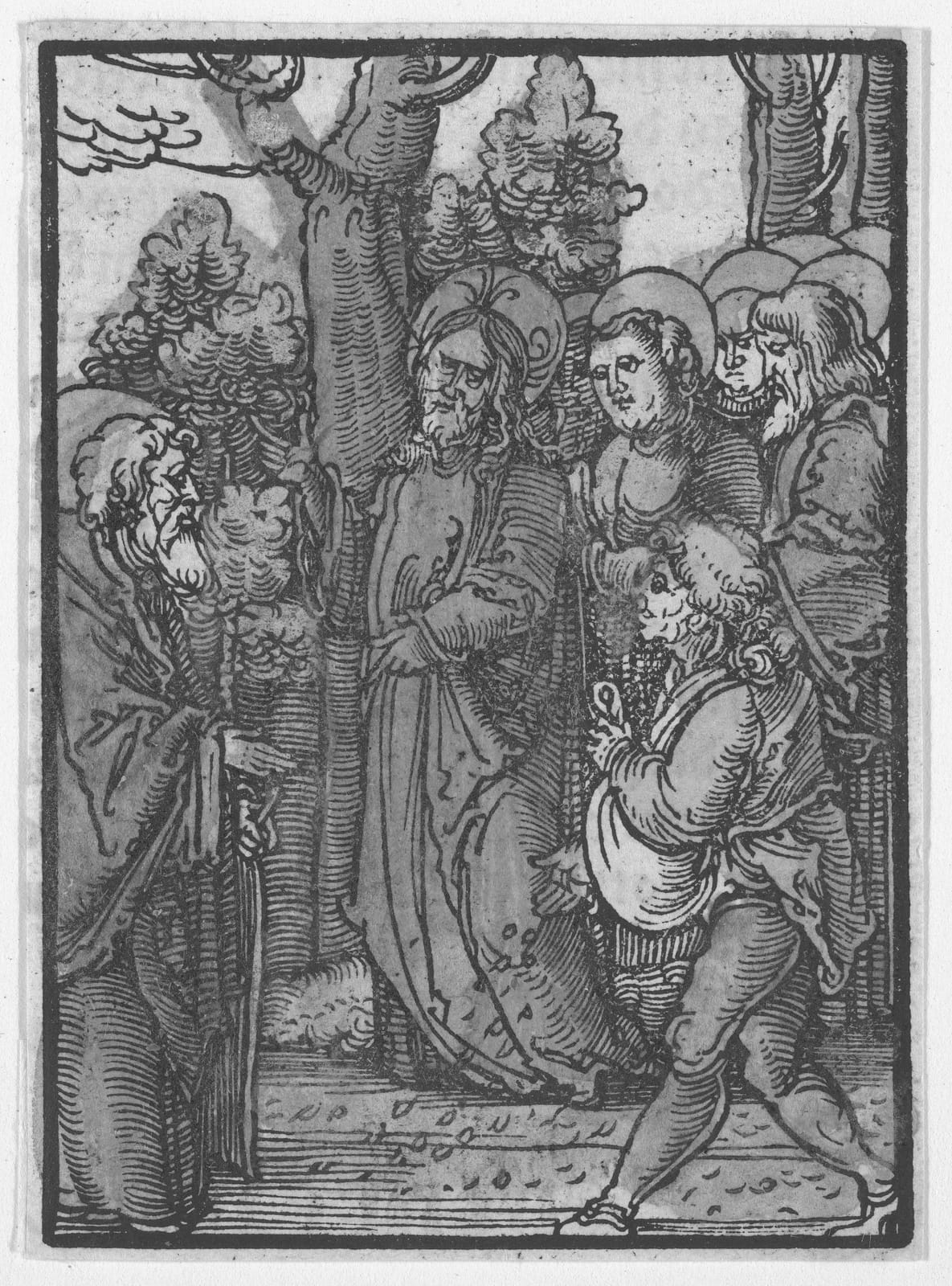
The parable of the wheat and the weeds
Hans Schäufelein (1480–1540), The Parable of the Sower and the Weeds, from Das Plenarium, 1517. Credits

Email view of this day