This day

October 21, 2026

After Pentecost

October 21, 2026

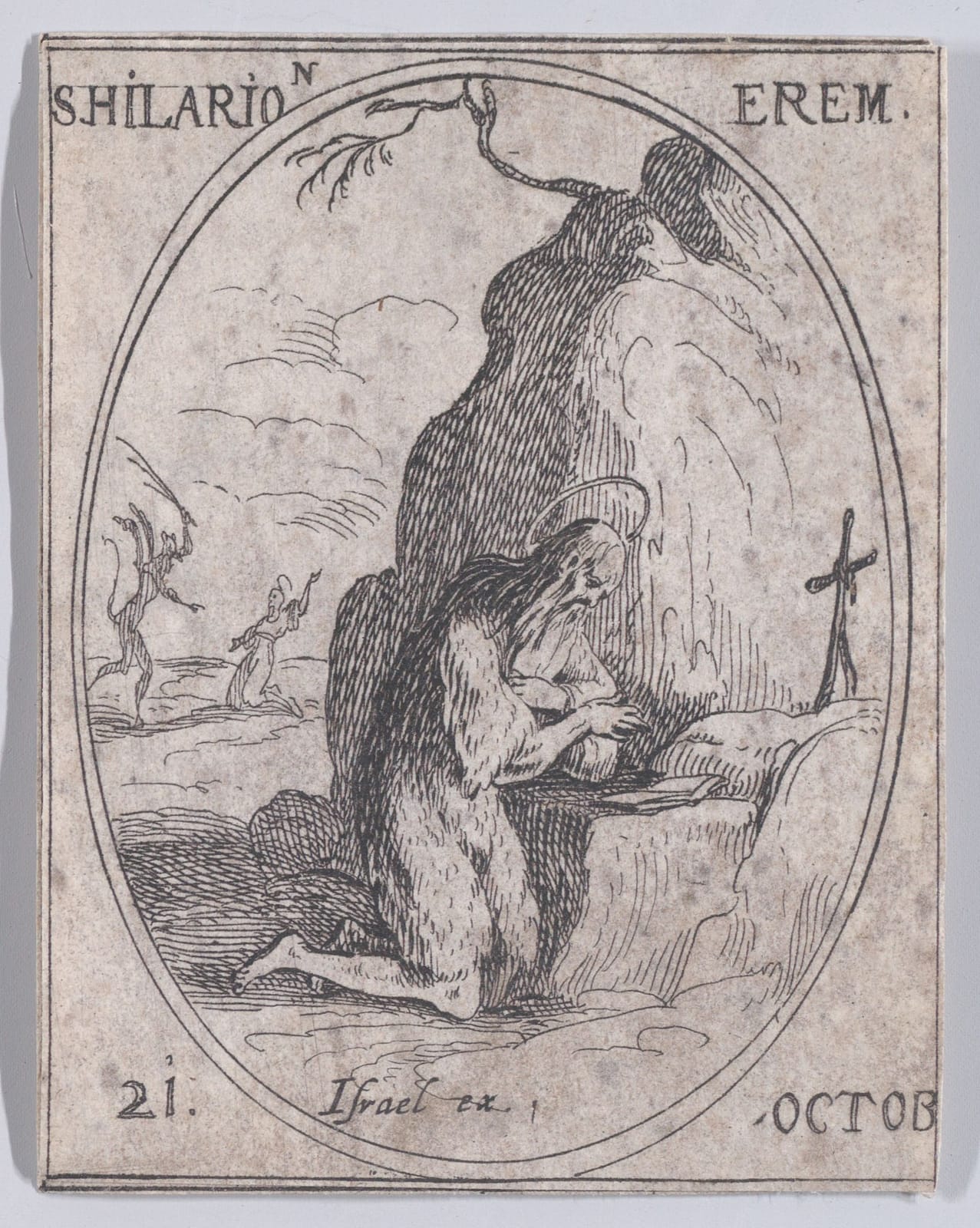
October 21: St. Hilarion, Abbot

From Dom Guéranger’s The Liturgical Year.

‘Monks were unknown in Syria before St. Hilarion,' says his historian St. Jerome. ‘He instituted the monastic life in that country, and was the master of those who embraced it. The Lord Jesus had His Anthony in Egypt and His Hilarion in Palestine, the former advanced in years, the latter still young.' Now our Lord very soon raised this young man to such glory, that Anthony would say to the sick, who came to him from Syria attracted by the fame of his miracles: ‘Why take the trouble to come so far, when you have near you my son Hilarion?' And yet Hilarion had spent only two months with Anthony; after which the patriarch had said to him: ‘Persevere to the end, my son; and thy labour will win thee the delights of heaven.' Then, giving a hair-shirt and a garment of skin to this boy of fifteen whom he was never to see again, he sent him back to sanctify the solitudes of his own country, while he himself retired farther into the desert.

The enemy of mankind, foreseeing a formidable adversary in this new solitary, waged a terrible war against him.
Chapter 6: On Holy Communion during the Time after Pentecost

From Dom Guéranger’s The Liturgical Year.

If, in the early stages of the liturgical year, in Advent, at Christmas, and during the periods of Septuagesima and Lent, when there was question of nothing beyond a preparation for the divine mysteries which wrought our salvation—if, in the name of holy Church, we then invited the faithful to have recourse to the sacrament of our Lord’s Body, as being the heavenly nourishment that would support them in the glorious career on which they had entered; now that the work is done, that they have risen again with their Redeemer, that they have followed Him, by their desires and their hopes, even to the very summit of heaven—now that the Holy Ghost has come down upon this earth, that He might complete within them the work of their union with God, surely, nothing could profit them more than that they nourish themselves, and even more frequently than before, with the Bread of life, which came from heaven, that He might give life to the world.

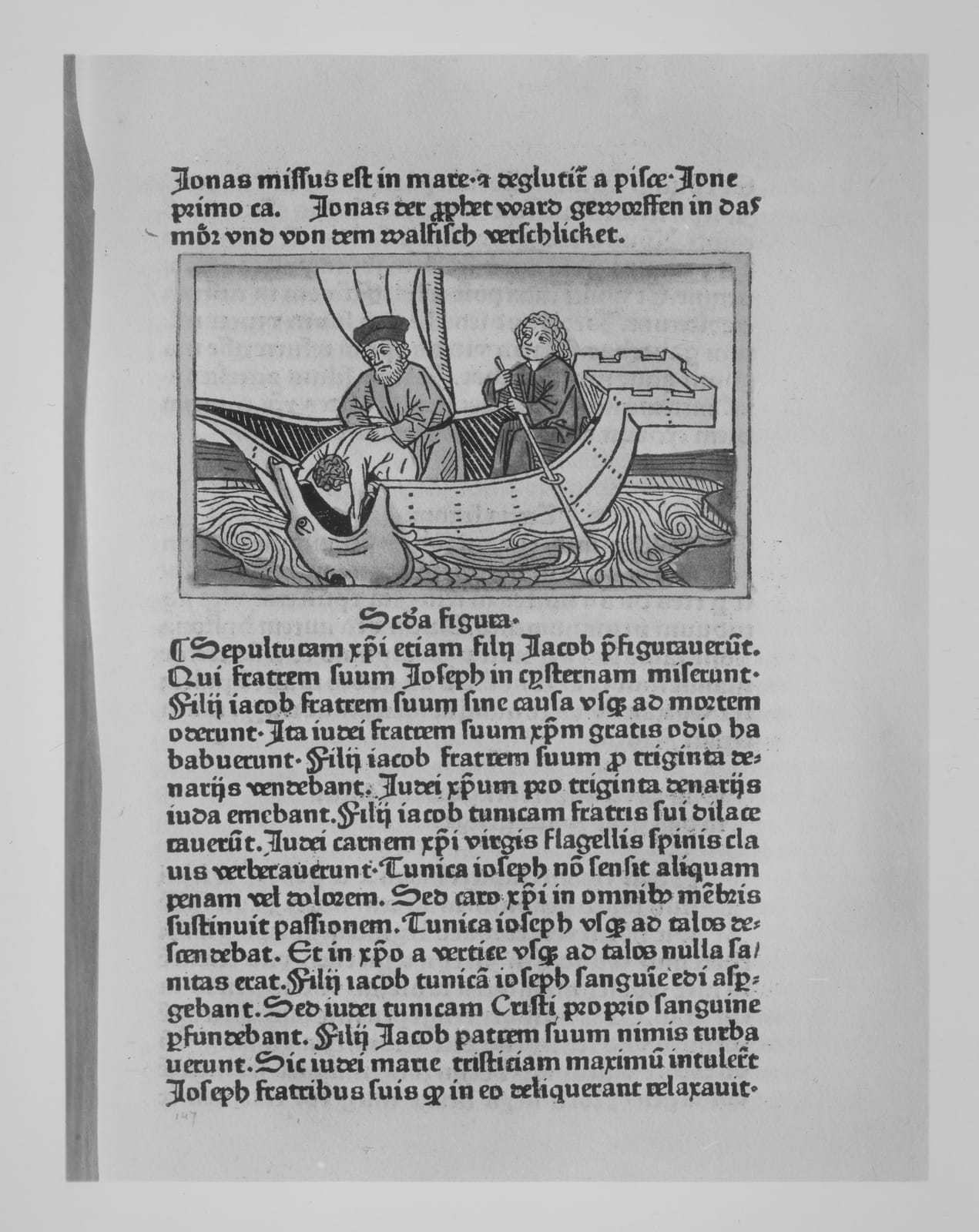
A woodcut opening from Speculum humanae salvationis
Günther Zainer (d. 1478), Speculum humanae salvationis, ca. 1473. Credits

Email view of this day