This day

November 2, 2026

After Pentecost

November 2, 2026

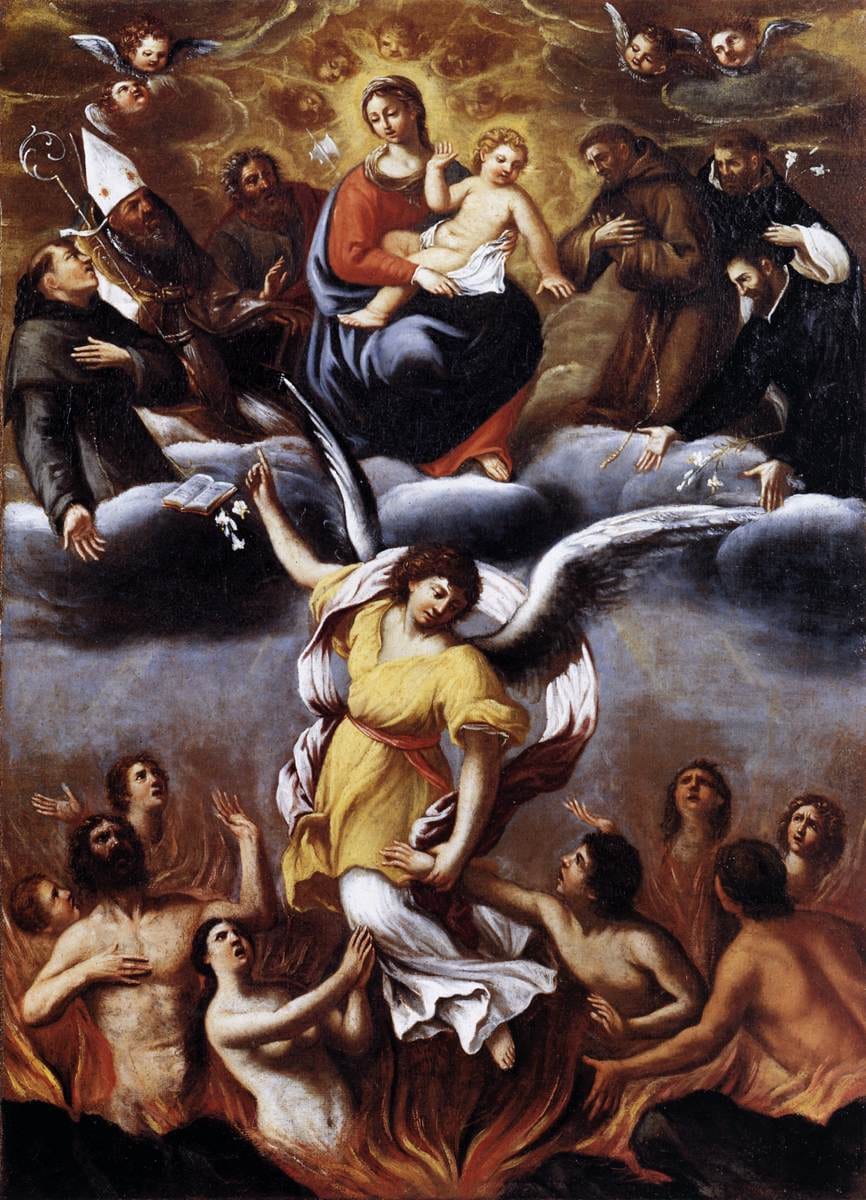
November 2: All Souls' Day

From Dom Guéranger’s The Liturgical Year.

We will not have you ignorant, brethren, concerning them that are asleep, that you be not sorrowful, even as others who have no hope. The Church today has the same desire as the Apostle thus expressed to the first Christians. The truth concerning the dead not only proves admirably the union between God’s justice and his goodness; it also inspires a charitable pity which the hardest heart cannot resist, and at the same time offers to the mourners the sweetest consolation. If faith teaches us the existence of a purgatory, where our loved ones may be detained by unexpiated sin, it is also of faith that we are able to assist them; and theology assures us that their more or less speedy deliverance lies in our power. Let us call to mind a few principles, which throw light on this doctrine. Every sin causes a twofold injury to the sinner: it stains his soul, and renders him liable to punishment. Venial sin, which displeases God, requires a temporal expiation. Mortal sin deforms the soul, and makes the guilty man an abomination to God: its punishment cannot be anything less than eternal banishment, unless the sinner, in this life, prevent the final and irrevocable sentence.

This week's Sunday: The Twenty-Third Sunday after Pentecost

From Dom Guéranger’s The Liturgical Year.

When the number of the Sundays after Pentecost is only twenty-three, the Mass for to-day is taken from the twenty-fourth and last Sunday; and the Mass appointed for the twenty-third is said on the previous Saturday, or on the nearest day of the preceding week which is not impeded by a double or semi-double feast.

But, under all circumstances, the antiphonary ends to-day. The Introits, Graduals, Communions, and Postcommunions, which are given below, are to be repeated on each of the Sundays till Advent, which vary in number each year. Our readers will remember that, in the time of St. Gregory, Advent was longer than we now have it; and that, in those days, its weeks commenced in that part of the cycle which is now occupied by the last Sundays after Pentecost. This is one of the reasons for the lack of liturgical riches in the composition of the dominical Masses which follow the twenty-third.

Even on this one, the Church, without losing sight of the last day, used to lend a thought to the new season which was fast approaching, the season, that is, of preparation for the great feast of Christmas.

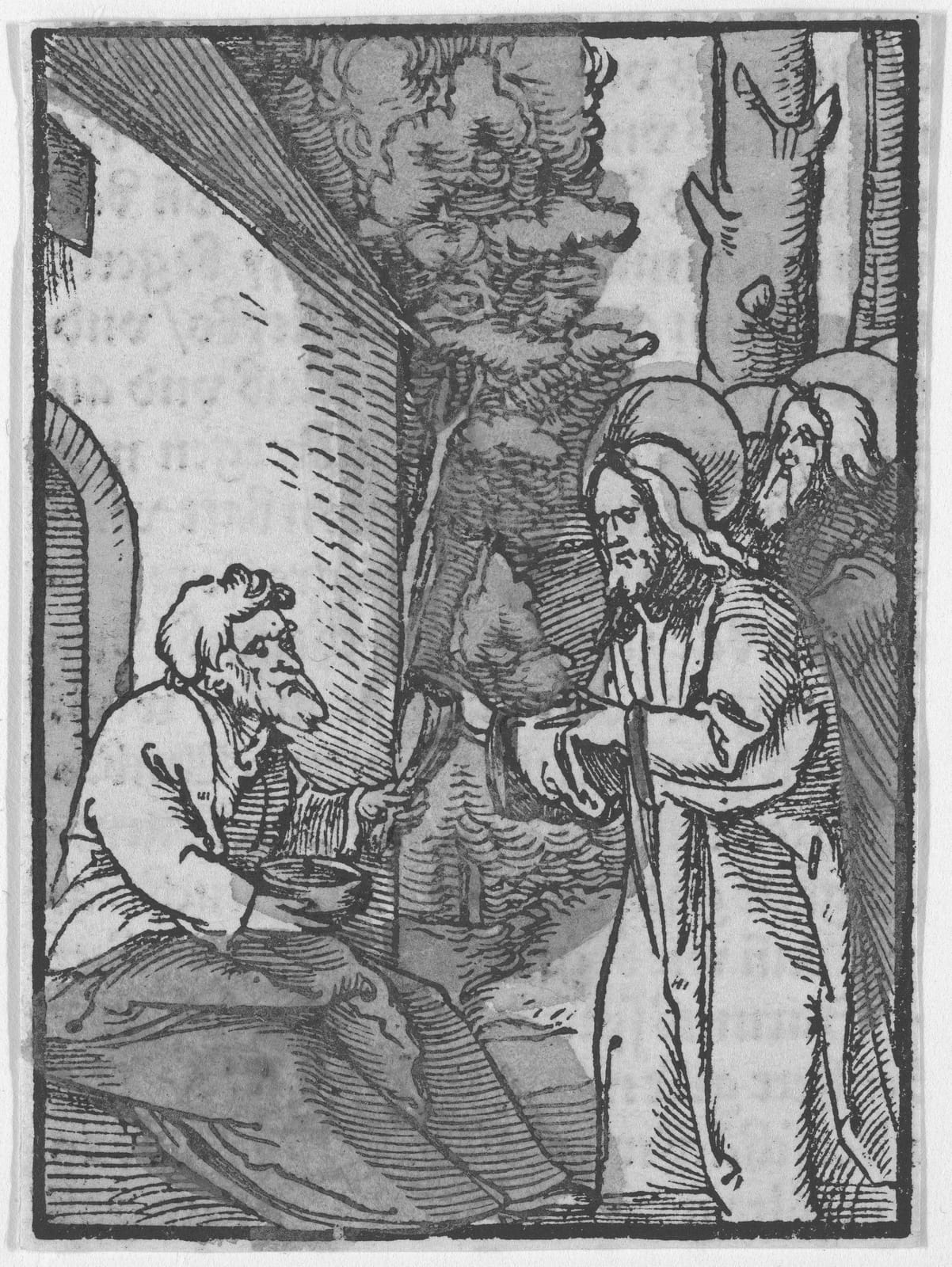
Christ healing a leper
Hans Schäufelein (1480–1540), Christ Healing the Leper, from Das Plenarium, 1517. Credits

Email view of this day