This day

November 19, 2026

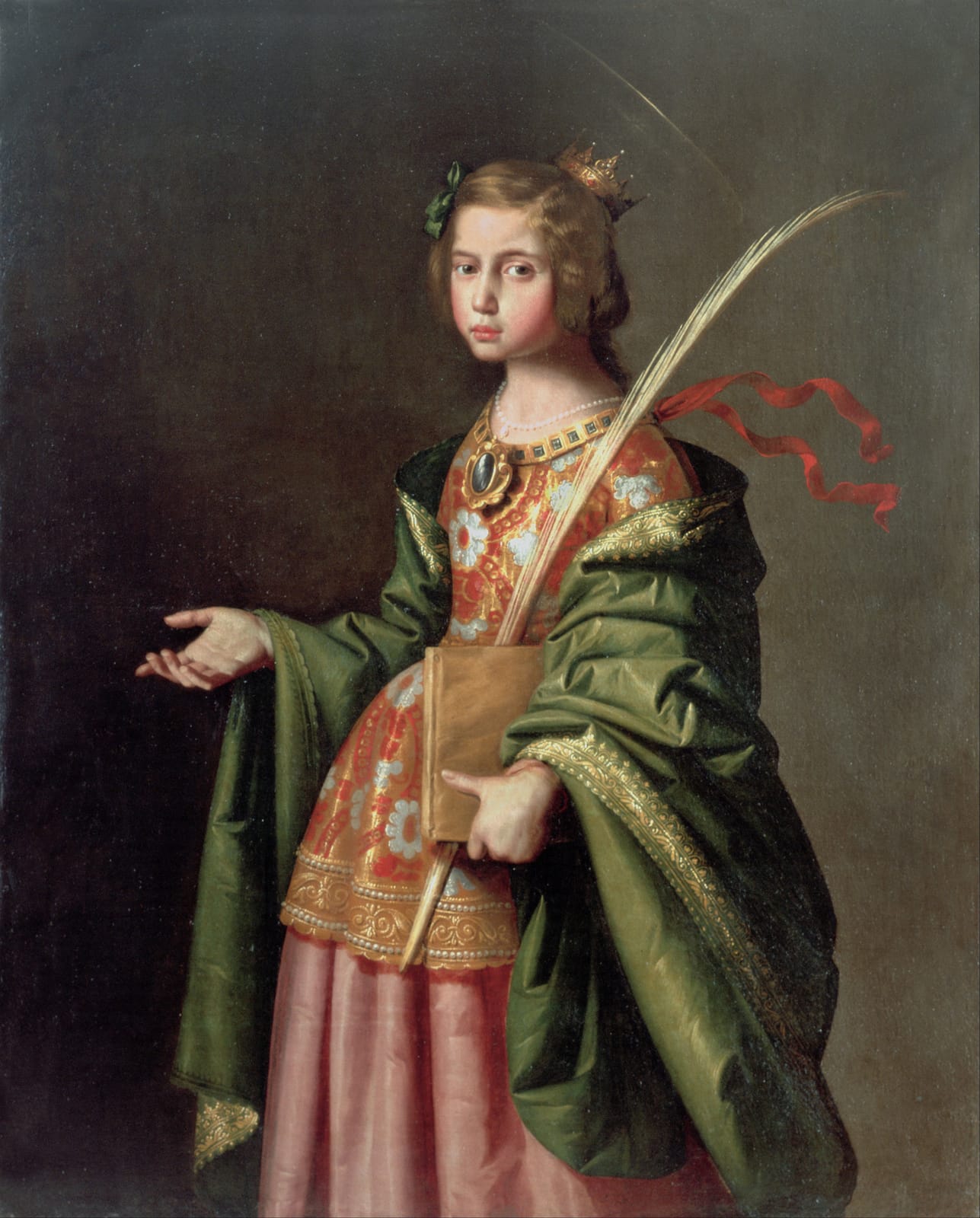
Saint Elizabeth of Thuringia
Saint Elizabeth of Thuringia, Francisco de Zurbarán (1598–1664), c. 1640. Credits

After Pentecost

November 19, 2026

A Double leads; St. Pontian is commemorated.Rubric

November 19: St. Elizabeth of Hungary, Duchess of Thuringia

From Dom Guéranger’s The Liturgical Year.

ALTHOUGH the blessed in heaven shine each with his own peculiar glory, God is pleased to group them in families, as he groups the stars in the material firmament. It is grace that presides over the arrangement of these constellations in the heaven of the Saints; but sometimes it seems as if God wished to remind us that he is the sole Author of both grace and nature; and inviting them, in spite of the fall, to honour him unitedly in his elect, he causes sanctity to become a glorious heirloom, handed down from generation to generation in the same family on earth. Among these races, none can compare with that royal line which, beginning in ancient Pannonia, spread its branches over the world in the most flourishing days of Christendom: Rich in virtue and studying beautifulness, as Scripture says, it brought peace into all the royal houses of Europe, with which it was allied; and the many names it has inscribed in the golden book of the blessed, perpetuate its glory.

Among these illustrious names, and surrounded by them as a diamond set in a circle of pearls, the greatest, in the esteem of the Church and of the people, is that of the amiable Saint, who was ripe for heaven at the age of twenty-four years, and who ascended on this day into the company of Stephen, Emeric, and Ladislas.
Chapter 3: The Practice for the Time after Pentecost

From Dom Guéranger’s The Liturgical Year.

The object which the Church has in view by her liturgical year is the leading of the Christian soul to union with Christ, and this by the Holy Ghost. This object is the one which God Himself has in giving us His own Son to be our mediator, our teacher, and our Redeemer, and in sending us the Holy Ghost to abide among us. To this end is directed all that aggregate of rites and prayers which we have hitherto explained: they are not a mere commemoration of the mysteries achieved for our salvation by the divine goodness, but they bring with them the graces corresponding to each of those mysteries; that thus we may come, as the apostle expresses it, ‘to the age of the fullness of Christ.’

As we have elsewhere explained, our sharing in the mysteries of Christ, which are celebrated in the liturgical year, produces in the Christian what is called in mystic theology the illuminative life, in which the soul gains continually more and more of the light of the Incarnate Word, who, by His examples and teachings, renovates each one of her faculties, and imparts to her the habit of seeing all things from God’s point of view.

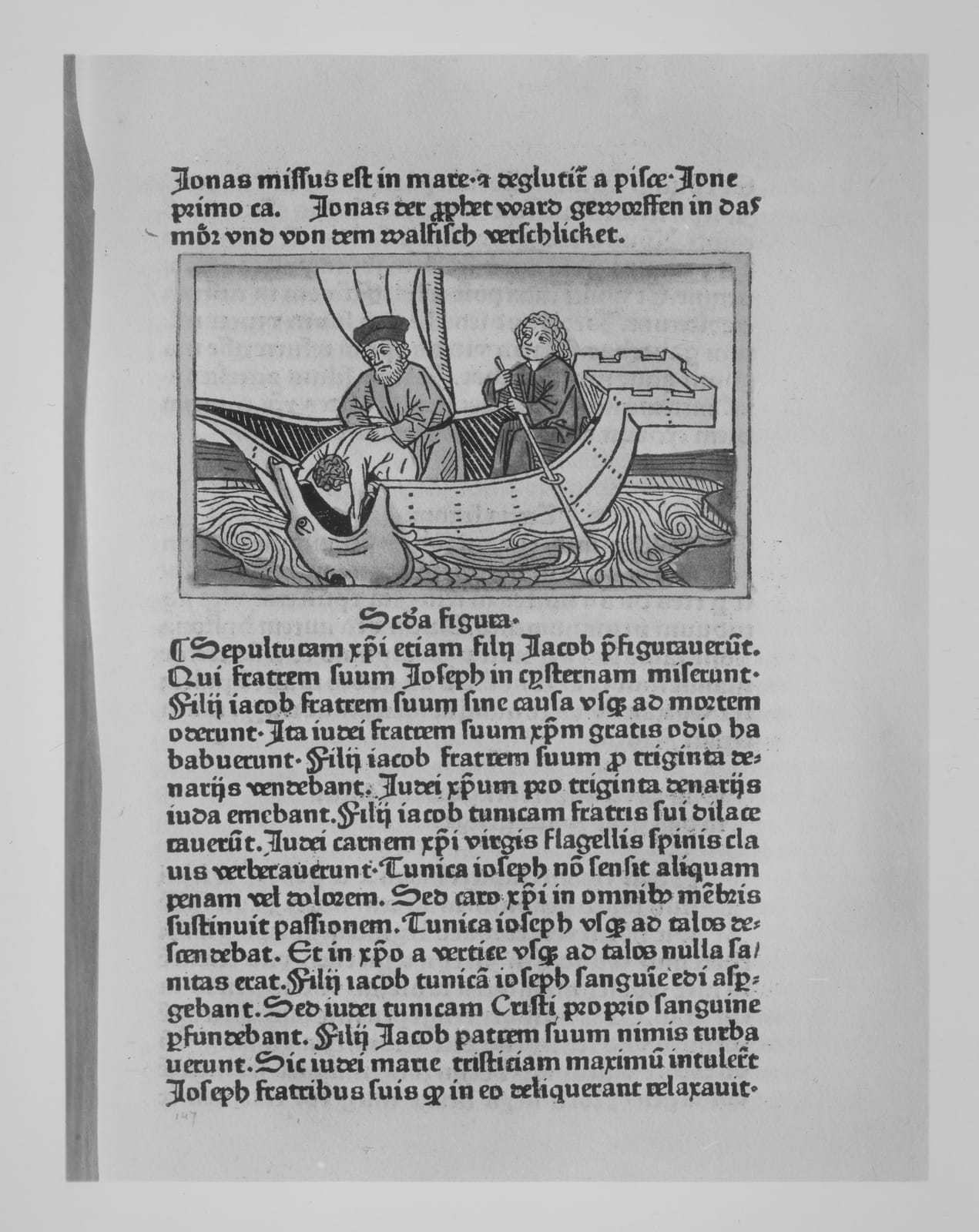
A woodcut opening from Speculum humanae salvationis
Günther Zainer (d. 1478), Speculum humanae salvationis, ca. 1473. Credits

Email view of this day