This day

November 28, 2026

After Pentecost

November 28, 2026

Vigil of St. Andrew anticipated from the Sunday.Rubrics

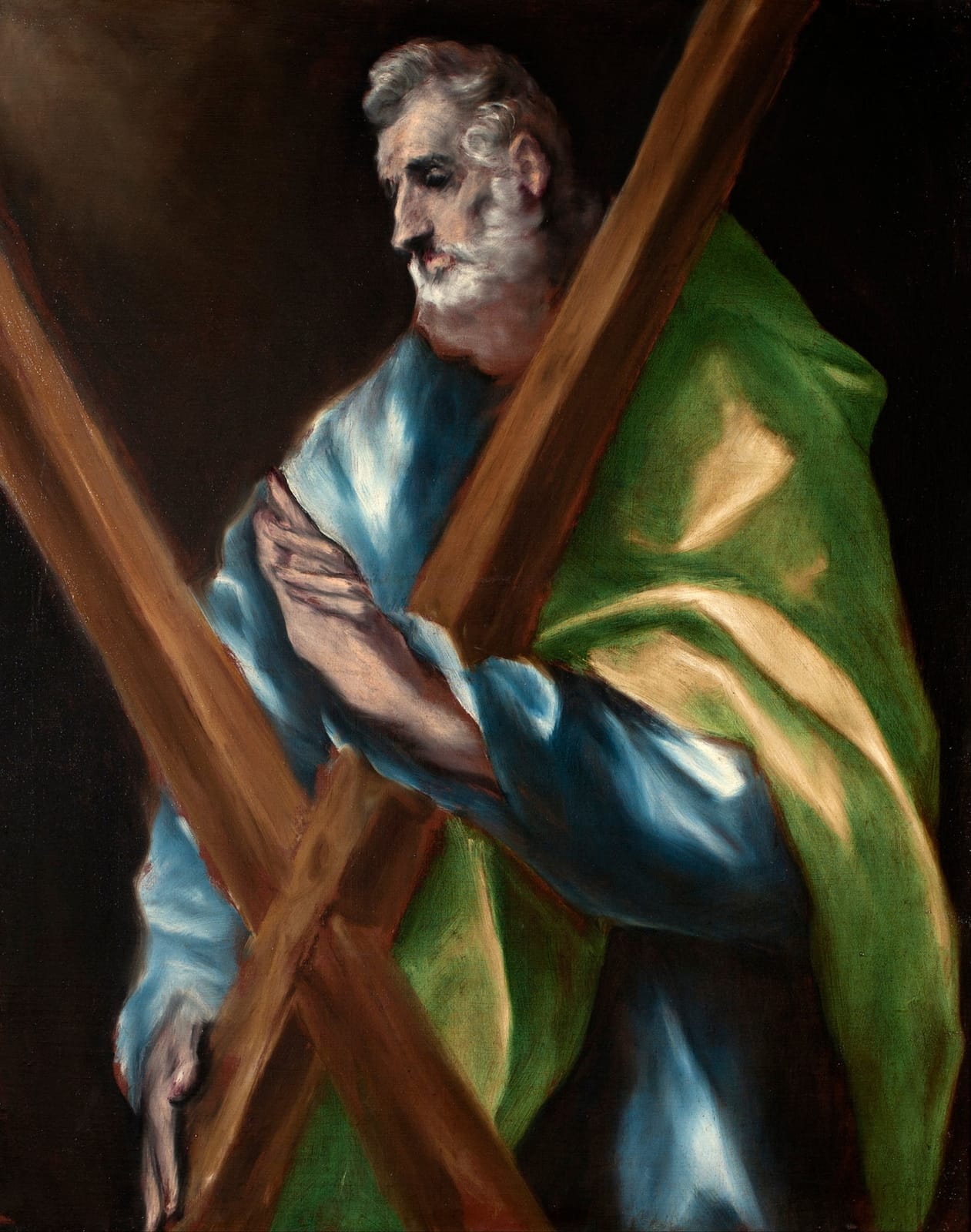
November 29: Vigil of St. Andrew, Apostle

From Dom Guéranger’s The Liturgical Year.

CHRISTMAS begins to glimmer on the horizon. The last Sunday after Pentecost has given us the closing instructions of the moveable Cycle. Beginning with the twenty-seventh of this month, the present days belong in some years to the new Cycle, in others to the one which is ending.

The last Lesson from the Scripture of the Time ends with the solemn declaration of the last of the Prophets, announcing the approach of a new era: From the rising of the sun even to the going down, my Name is great among the Gentiles, and in every place there is sacrifice, and there is offered to my Name a clean oblation! For my Name is great among the Gentiles, with the Lord of hosts. And in to-day's Gospel we have St. John the Baptist echoing the words of Malachias, and joining the old and the new times together: Behold the Lamb of God! He points out to us the Messias close at hand.

Andrew, brother of Peter, and another of John's disciples, asked this Messias: Rabbi, where dwellest thou? Jesus answered: Come and see.

This week's Sunday: The Twenty-Fourth Sunday after Pentecost

From Dom Guéranger’s The Liturgical Year.

The number of the Sundays after Pentecost may exceed twenty-four, and go as far as twenty-eight, according as Easter is each year more or less near to the vernal equinox. But the Mass here given is always reserved for the last; and the intervening ones, be their number what it may, are taken from the Sundays after the Epiphany, which, in that case, were not used at the beginning of the year. This, however, does not apply to the Introit, Gradual, Offertory, and Communion, which, as we have already said, are repeated from the twenty-third Sunday.

We have seen how that Mass of the twenty-third Sunday was regarded, by our forefathers, as really the last of the cycle. Abbot Rupert has given us the profound meaning of its several parts. According to the teaching we have already pondered over, the reconciliation of Juda was shown us as being, in time, the term intended by God: the last notes of the sacred liturgy blended with the last scene of the world’s history, as seen and known by God.

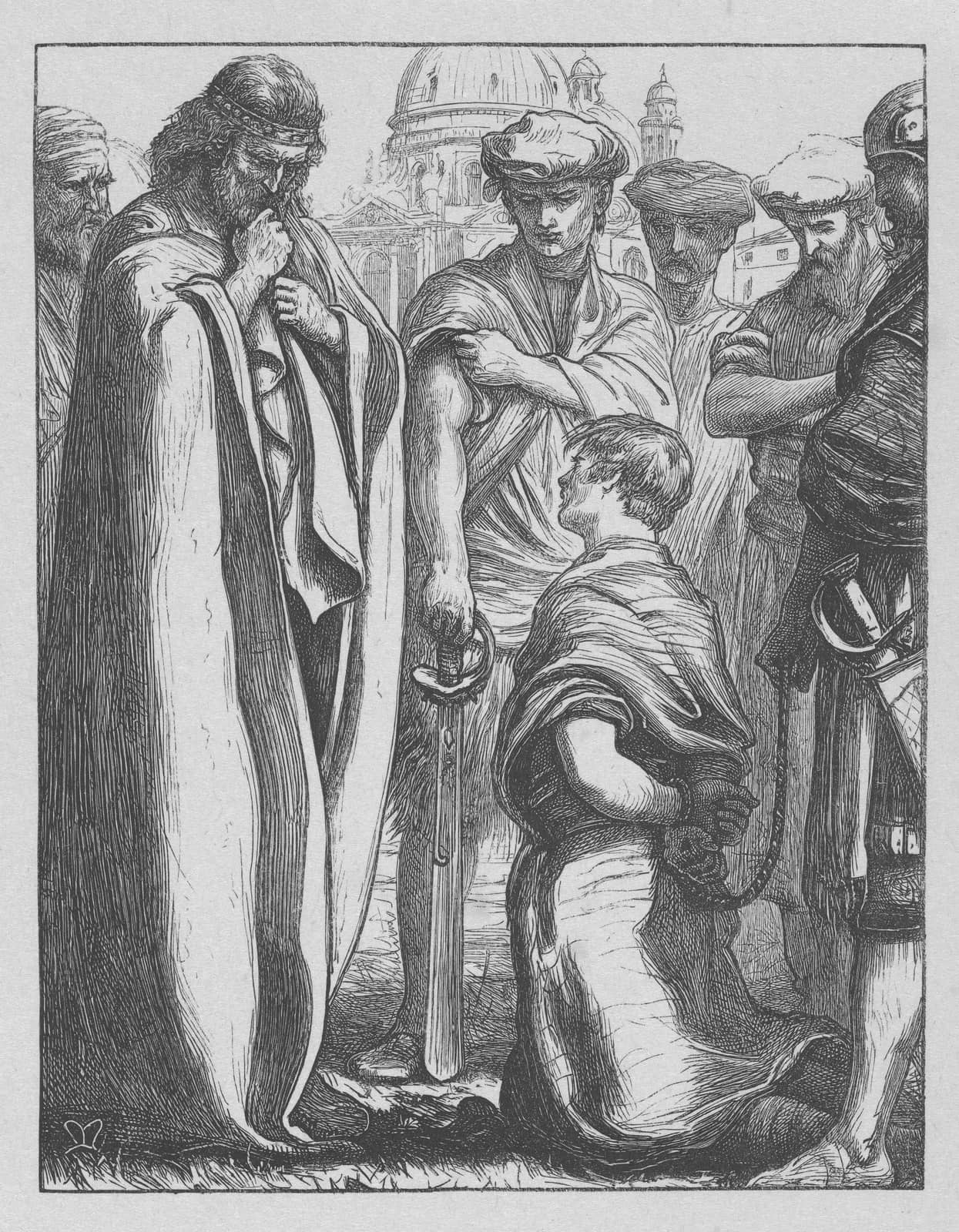
The parable of the unmerciful servant
Sir John Everett Millais (1829–1896), The Unmerciful Servant, from The Parables of Our Lord and Saviour Jesus Christ, 1864. Credits

Email view of this day