This day

January 3, 2027

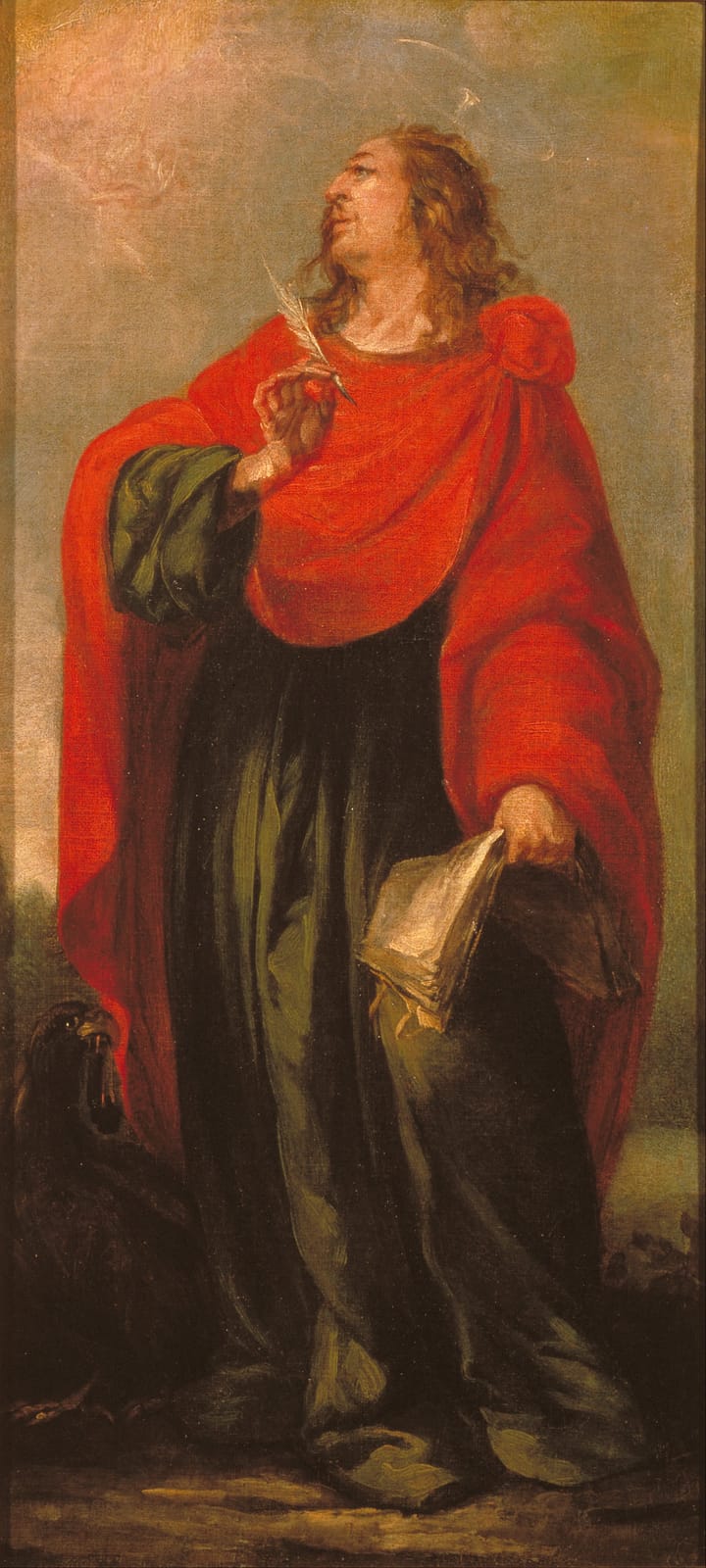
Saint John the Evangelist with a quill, a book, and an eagle
Saint John the Evangelist, Juan de Valdés Leal (1622–1690), 1675–1679. Credits

Christmas

January 3, 2027

January 3: The Octave of St. John, Apostle and Evangelist

From Dom Guéranger’s The Liturgical Year.

THE Octave of the Beloved Disciple closes to-day: let us devoutly offer him our parting homage. We shall meet him again, during the year; for, on May 6, when the Resurrection of his Divine Master is gladdening the Church with the Easter joys, we shall have the Feast of our Apostle's Confession made before the Latin Gate: but his grand Feast ends to-day, and he has done too much on our behalf this Christmas for us to allow this Octave Day to pass without returning him our warmest thanks. Let us begin by exciting ourselves to a great reverence for our Saint; and to this end, let us continue the considerations we were making this day week on the favours conferred upon him by Jesus.

The Apostolate of St John produced a plentiful harvest among the people to whom he was sent. The Parthians received the Gospel from him, and most of the Churches of Asia Minor were founded by him. Of these latter, seven, together with their Angels, were chosen by Christ himself to typify the several kinds of Pastors; and probably, as some have interpreted this passage of the Apocalypse, these Seven may be taken as representing the seven Ages of the Church herself.
Chapter 2: The Mystery of Christmas

From Dom Guéranger’s The Liturgical Year.

Everything is Mystery in this holy season. The Word of God, whose generation is before the day-star, is born in time—a Child is God—a Virgin becomes a Mother, and remains a Virgin—things divine are commingled with those that are human—and the sublime, the ineffable antithesis, expressed by the Beloved Disciple in those words of his Gospel, The Word was made flesh, is repeated in a thousand different ways in all the prayers of the Church;—and rightly, for it admirably embodies the whole of the great portent which unites in one Person the nature of Man and the nature of God.

The splendour of this Mystery dazzles the understanding, but it inundates the heart with joy. It is the consummation of the designs of God in time. It is the endless subject of admiration and wonder to the Angels and Saints; nay, is the source and cause of their beatitude. Let us see how the Church offers this Mystery to her children, veiled under the symbolism of her Liturgy.

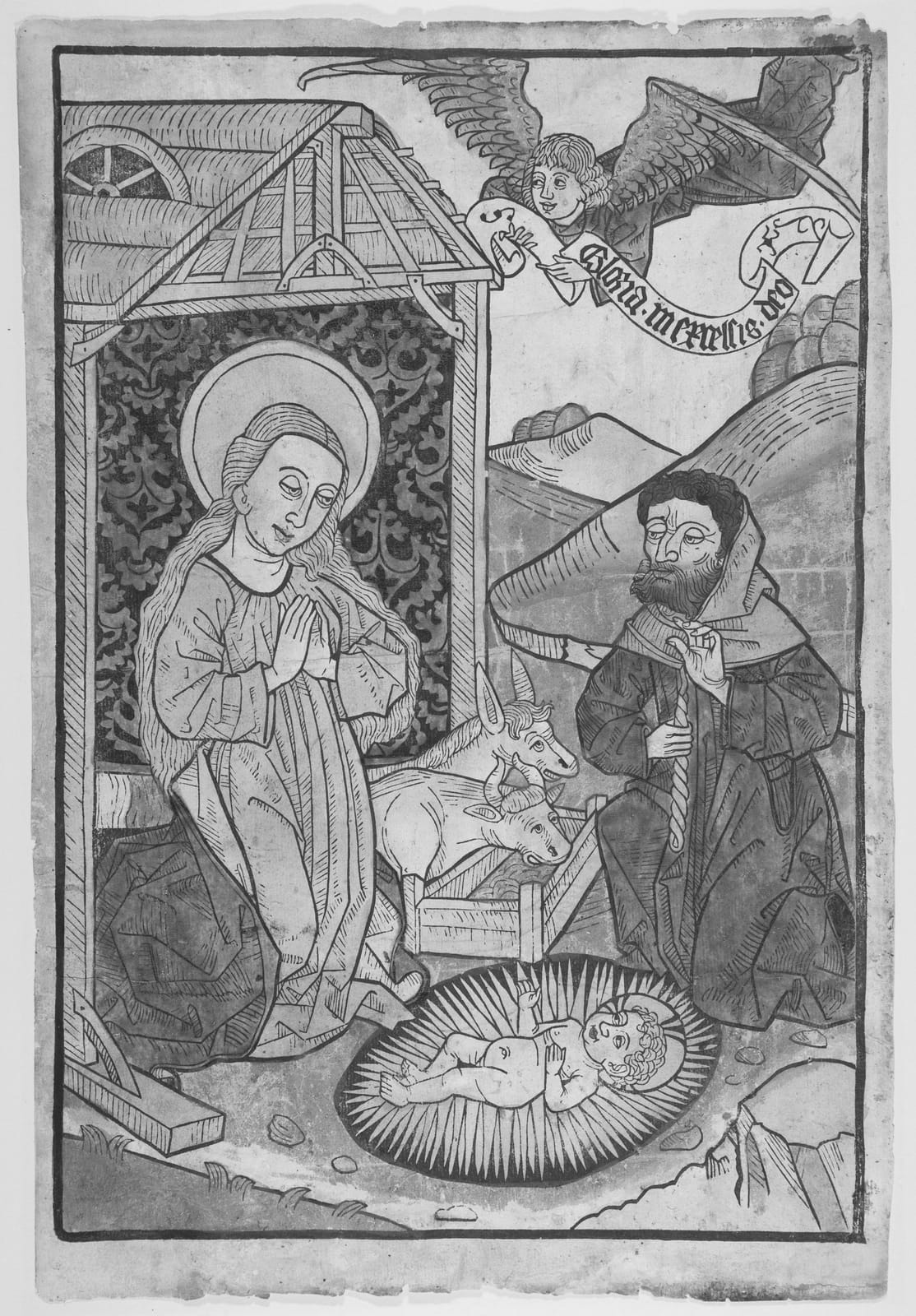
The Nativity: the Virgin and Joseph adore the Christ Child; an angel bears Gloria in excelsis Deo
Wolfgang (1450–1500), The Nativity, ca. 1470. Credits

Email view of this day