This day

January 21, 2027

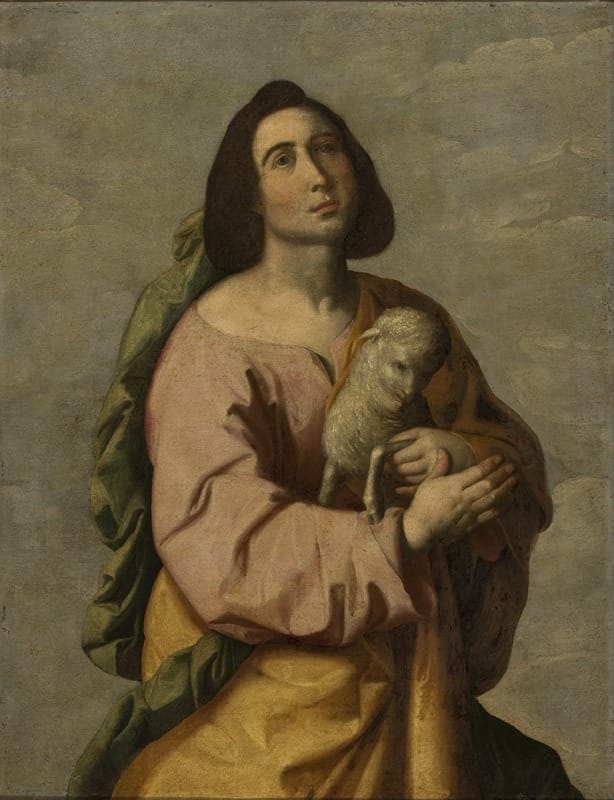
Young St Agnes in a pink tunic and green mantle holding a white lamb to her breast
Saint Agnes, Attributed to Francisco de Zurbarán (1598–1664), 17th c. Credits

Epiphanytide

January 21, 2027

January 21: St. Agnes, Virgin and Martyr

From Dom Guéranger’s The Liturgical Year.

HOW rich is the constellation of Martyrs, which shines in this portion of the sacred cycle! Yesterday we had St Sebastian; to-morrow we shall be singing the name which means Victory, for it is the Feast of Vincent; and now to-day, between these two stalwart palm-branches, we find the gentle Agnes decked with the roses and lilies of her virginity. It is to a girl of thirteen that our Emmanuel gave this stern courage of martyrdom which made her meet the enemy with as bold a front as either the valiant captain of the pretorian band or the dauntless deacon of Saragossa. If they are the soldiers of Jesus, she is his tender and devoted Spouse. These are the triumphs of the Son of Mary! Scarcely has he shown himself to the world, and lo! every noble heart flies towards him, according to that word of his: Wheresoever the body shall be, there shall the eagles also be gathered together.

It is the admirable result of the Virginity of his Blessed Mother, who has brought honour to the fecundity of the soul, and set it far above that of the body.

This week's Sunday: The Second Sunday after Epiphany

From Dom Guéranger’s The Liturgical Year.

THE third Mystery of the Epiphany shows us the completion of the merciful designs of God upon the world, at the same time that it manifests to us, for the third time, the glory of our Lord and Saviour, Jesus Christ. The star has led the soul to faith; the sanctified Waters of the Jordan have conferred purity upon her; the Marriage-Feast unites her to her God. We have been considering, during this Octave, the Bridegroom revealing himself to the Spouse; we have heard him calling her to come to him from the heights of Libanus; and now, after having enlightened and purified her, he invites her to the heavenly feast, where she is to receive the Wine of his divine love.

A Feast is prepared; it is a Marriage-Feast; and the Mother of Jesus is present at it, for it is just that, having co-operated in the mystery of the Incarnation of the Word, she should take part in all that her Son does, and in all the favours he bestows on his elect. But, in the midst of the Feast, the Wine fails.

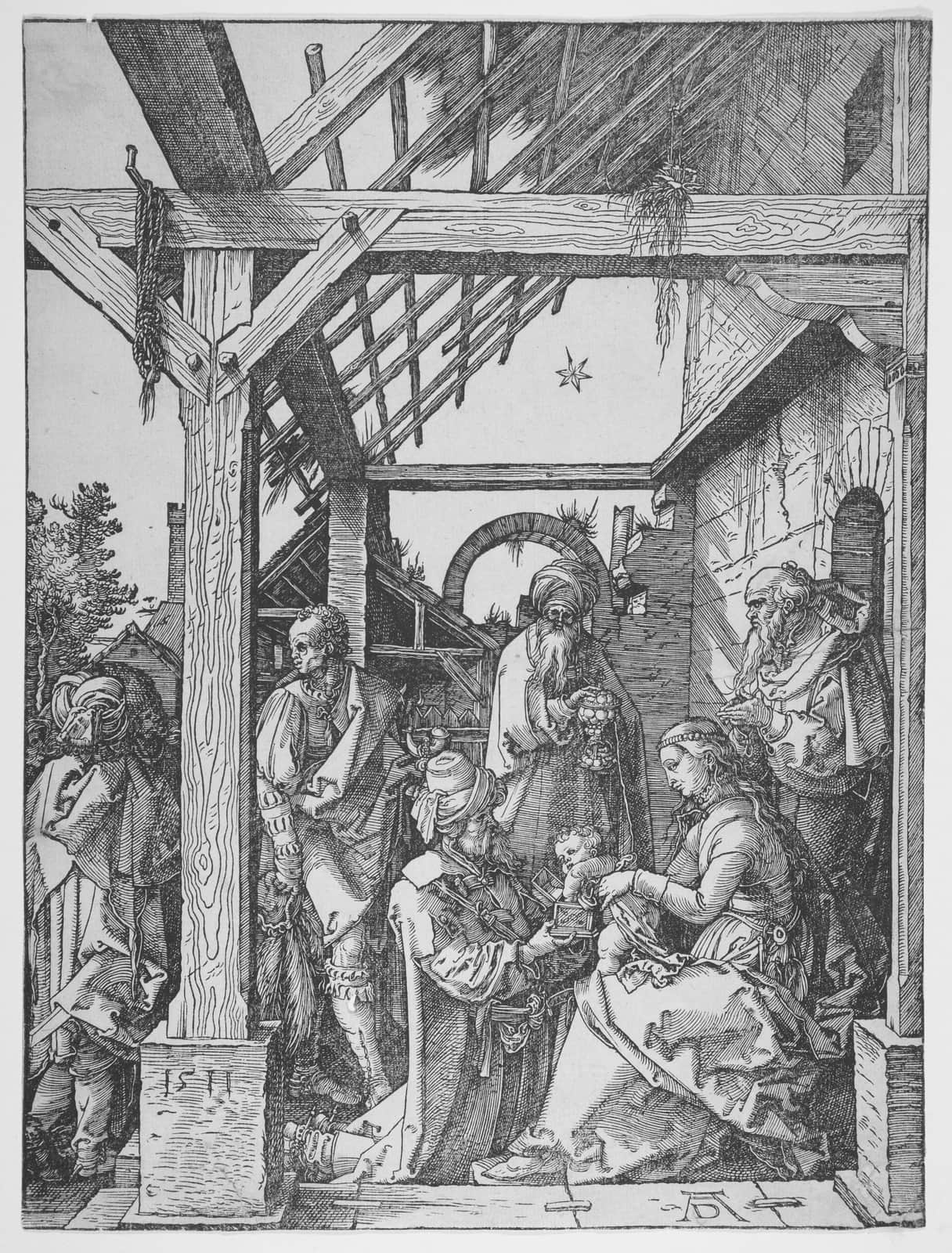
The Adoration of the Magi: the three kings offer gifts to the clothed Christ Child
Albrecht Dürer (1471–1528), The Adoration of the Magi, 1511. Credits

Email view of this day