Paschal Time
April 27, 2027
Tuesday of the Fifth Week after Easter
From Dom Guéranger’s The Liturgical Year.
℣. In thy resurrection, O Christ, alleluia.
℟. Let heaven and earth rejoice, alleluia.
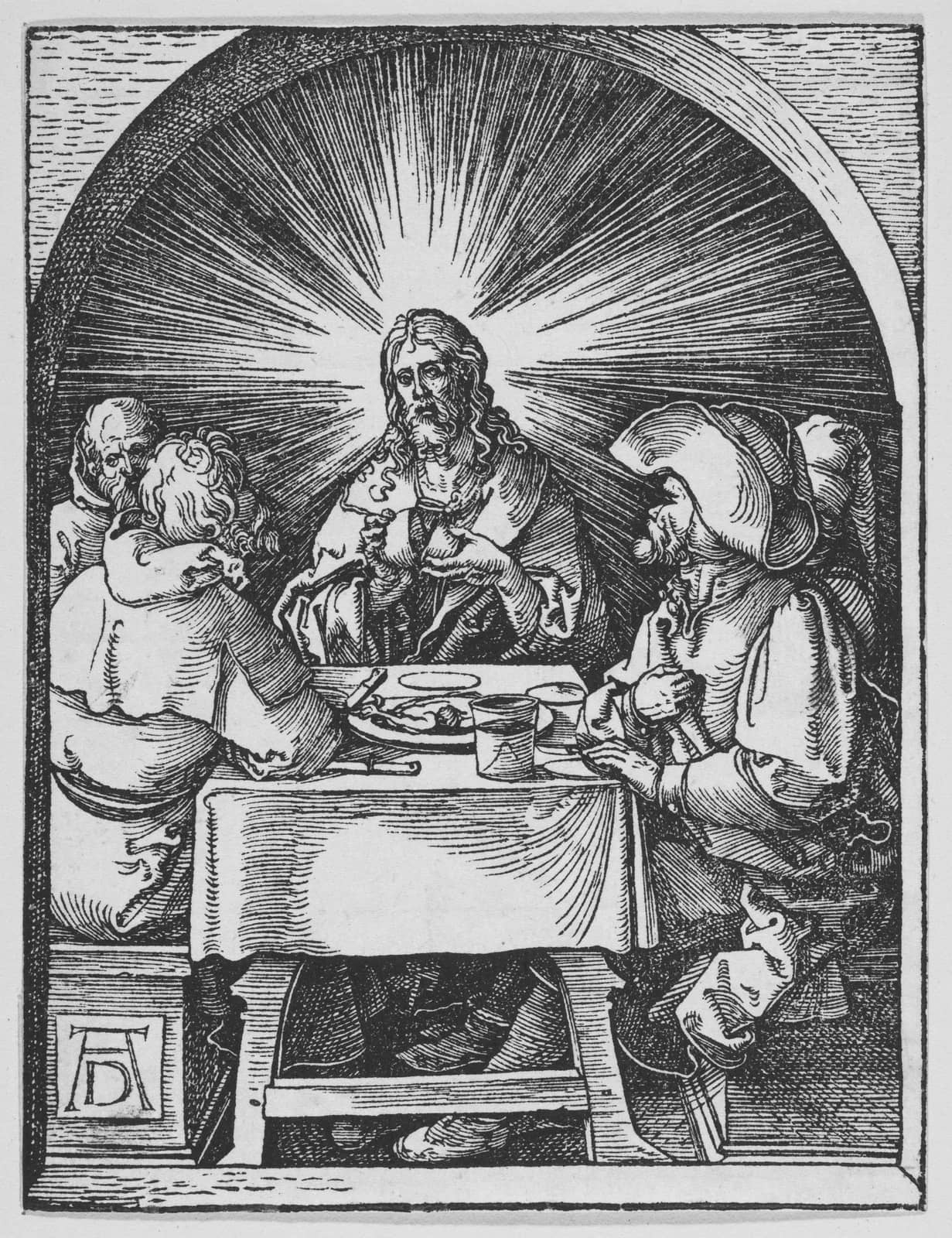
THE third sacrament—the Holy Eucharist—is so intimately connected with our Redeemer's Passion that its institution could not be deferred till the Resurrection had taken place. On Maundy Thursday, we honoured the solemn act whereby our Jesus prepared for the morrow’s sacrifice, by instituting the mystery of his Body and Blood, which are really immolated in the Eucharistic Supper. The Apostles were not only admitted, as all future generations were to be, to partake of the divine Food, which giveth life to the world, but they moreover received power from Jesus, the Priest for ever, to do what he himself had just done. The great Mystery was inaugurated; the new priesthood was instituted: and now that Jesus is risen from the dead, he makes known to his Apostles the whole importance of the gift bestowed upon mankind at the Last Supper; he bids them begin the exercise of the sublime power conferred on them, as soon as the Holy Ghost, by descending upon the earth, shall give to the Church the signal for her using the prerogatives wherewith she has been endowed; and, finally, he teaches how they are to perform this special function of their Priesthood.