This day

May 3, 2027

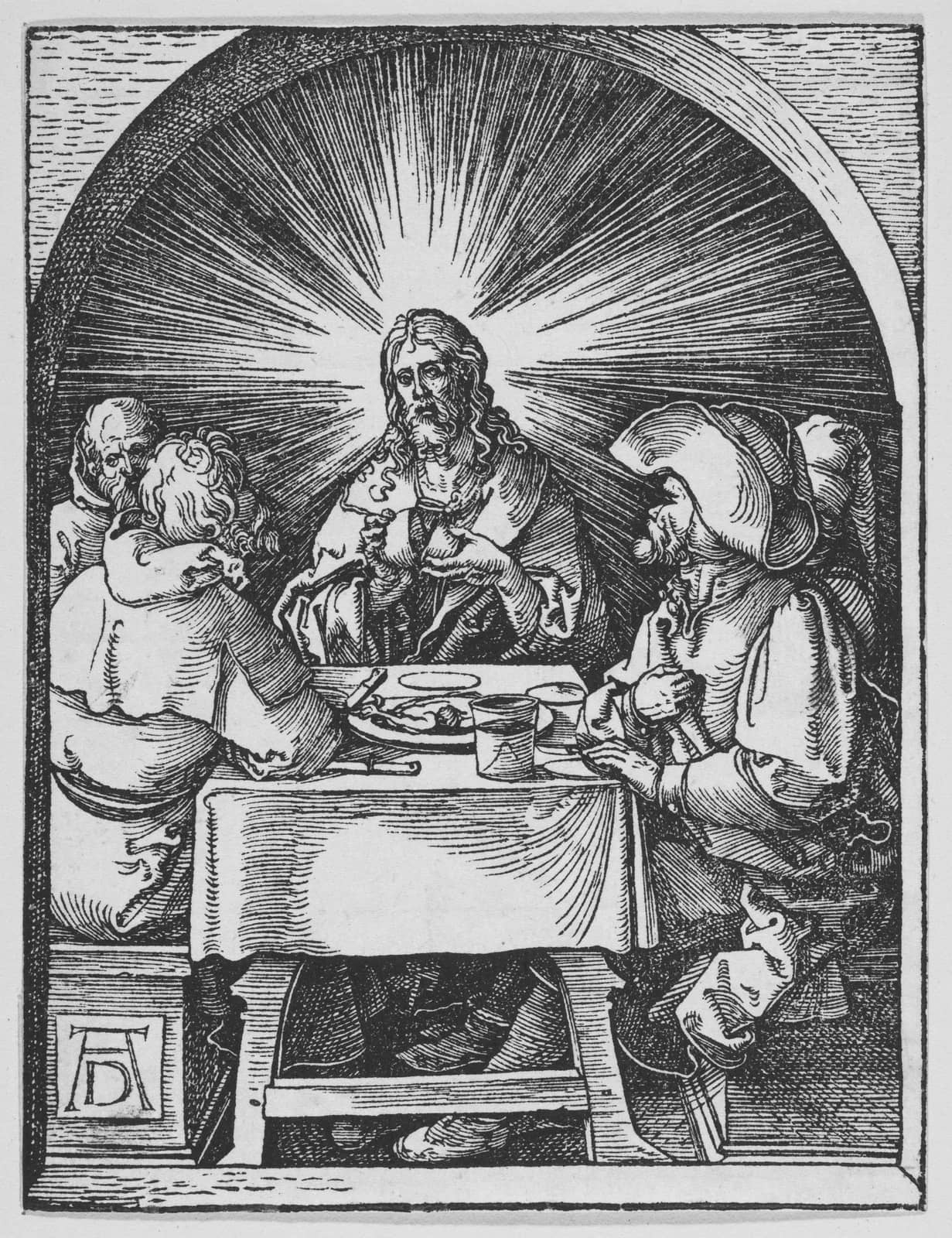
The risen Christ breaking bread with two disciples at Emmaus
Christ in Emmaus, Albrecht Dürer (1471–1528), ca. 1510. Credits

Paschal Time

May 3, 2027

Rogation Days: Monday

From Dom Guéranger’s The Liturgical Year.

It seems strange that there should be anything like mourning during Paschal Time: and yet these three days are days of penance. A moment’s reflection, however, will show us that the institution of the Rogation days is a most appropriate one. True, our Saviour told us, before His Passion, that ‘the children of the Bridegroom should not fast whilst the Bridegroom is with them’: but is not sadness in keeping with these the last hours of Jesus’ presence on earth? Were not His Mother and disciples oppressed with grief at the thought of their having so soon to lose Him, whose company had been to them a foretaste of heaven?

Let us see how the liturgical year came to have inserted in its calendar these three days, during which holy Church, though radiant with the joy of Easter, seems to go back to her lenten observances. The Holy Ghost, who guides hex in all things, willed that this completion of her paschal liturgy should owe its origin to a devotion peculiar to one of the most illustrious and venerable Churches of southern Gaul, the Church of Vienne.

Chapter 8: Of the Office of Compline for Sundays and Feasts during Paschal Time

From Dom Guéranger’s The Liturgical Year.

THIS Office, which concludes the day, commences by a warning of the dangers of the night; then immediately follows the public confession of our sins, as a powerful means of propitiating the divine justice and obtaining God’s help, now that we are going to spend so many hours in the unconscious and therefore dangerous state of sleep, which is also such an image of death.

May the Almighty Lord grant us a quiet night and a perfect end.
℟. Amen.

The lector then reads these words, from the first Epistle of St Peter: Fratres: Sobrii estote, et vigilate: quia adversarius vester diabolus, tamquam leo rugiens circuit quærens quem devoret: cui resistite fortes in fide. Tu autem, Domine, miserere nobis.

Brethren, be sober and watch: for your adversary the devil goes about like a roaring lion, seeking whom he may devour: resist him, being strong in faith. But thou, O Lord, have mercy on us.

The risen Christ breaking bread with two disciples at Emmaus
Albrecht Dürer (1471–1528), Christ in Emmaus, from The Small Passion, ca. 1510. Credits

Email view of this day