This day

May 31, 2027

After Pentecost

May 31, 2027

Monday within the Octave of Corpus Christi

From Dom Guéranger’s The Liturgical Year.

Let us adore Christ, the King, who ruleth the nations, who giveth fatness of spirit to them that eat him.

The Lord hath sworn, and He will not repent Him of His oath: He hath sworn: ‘Thou art a Priest for ever, according to the order of Melchisedech!’ Thus did the sons of Levi sing to the expected Messias, in one of the loveliest of their psalms. This noble and privileged family, this corona fratrum, standing, in all its glory, around the altar whence daily ascended the smoke of victims, this community of brethren celebrated, on the sacred harp, the priesthood of the good things to come, and announced their own being set aside. Shadow and figure as it was, their own priesthood was to disappear before the brightness of the divine realities of Calvary. They were indebted to the infidelity of the nations, for their being called to perpetuate the worship of the true God, in His one temple; but this precarious honour would cease, when the reconciliation of the world took place. Being Son of Juda, through David, the High Priest Christ receives nought of Aaron.

Chapter 6: On Holy Communion during the Time after Pentecost

From Dom Guéranger’s The Liturgical Year.

If, in the early stages of the liturgical year, in Advent, at Christmas, and during the periods of Septuagesima and Lent, when there was question of nothing beyond a preparation for the divine mysteries which wrought our salvation—if, in the name of holy Church, we then invited the faithful to have recourse to the sacrament of our Lord’s Body, as being the heavenly nourishment that would support them in the glorious career on which they had entered; now that the work is done, that they have risen again with their Redeemer, that they have followed Him, by their desires and their hopes, even to the very summit of heaven—now that the Holy Ghost has come down upon this earth, that He might complete within them the work of their union with God, surely, nothing could profit them more than that they nourish themselves, and even more frequently than before, with the Bread of life, which came from heaven, that He might give life to the world.

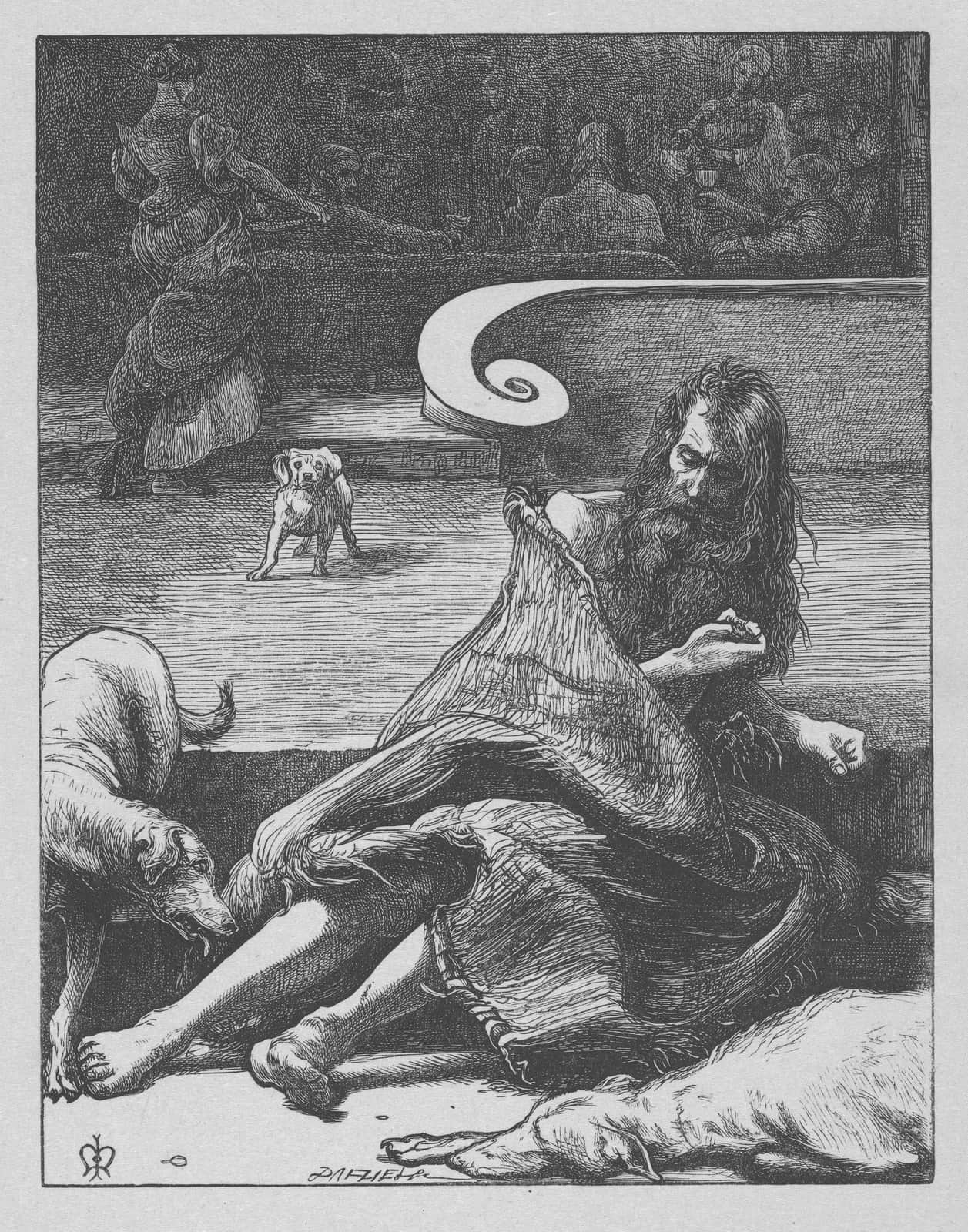
The rich man and Lazarus
Sir John Everett Millais (1829–1896), The Rich Man and Lazarus, from The Parables of Our Lord and Saviour Jesus Christ, 1864. Credits

Email view of this day