This day

June 29, 2027

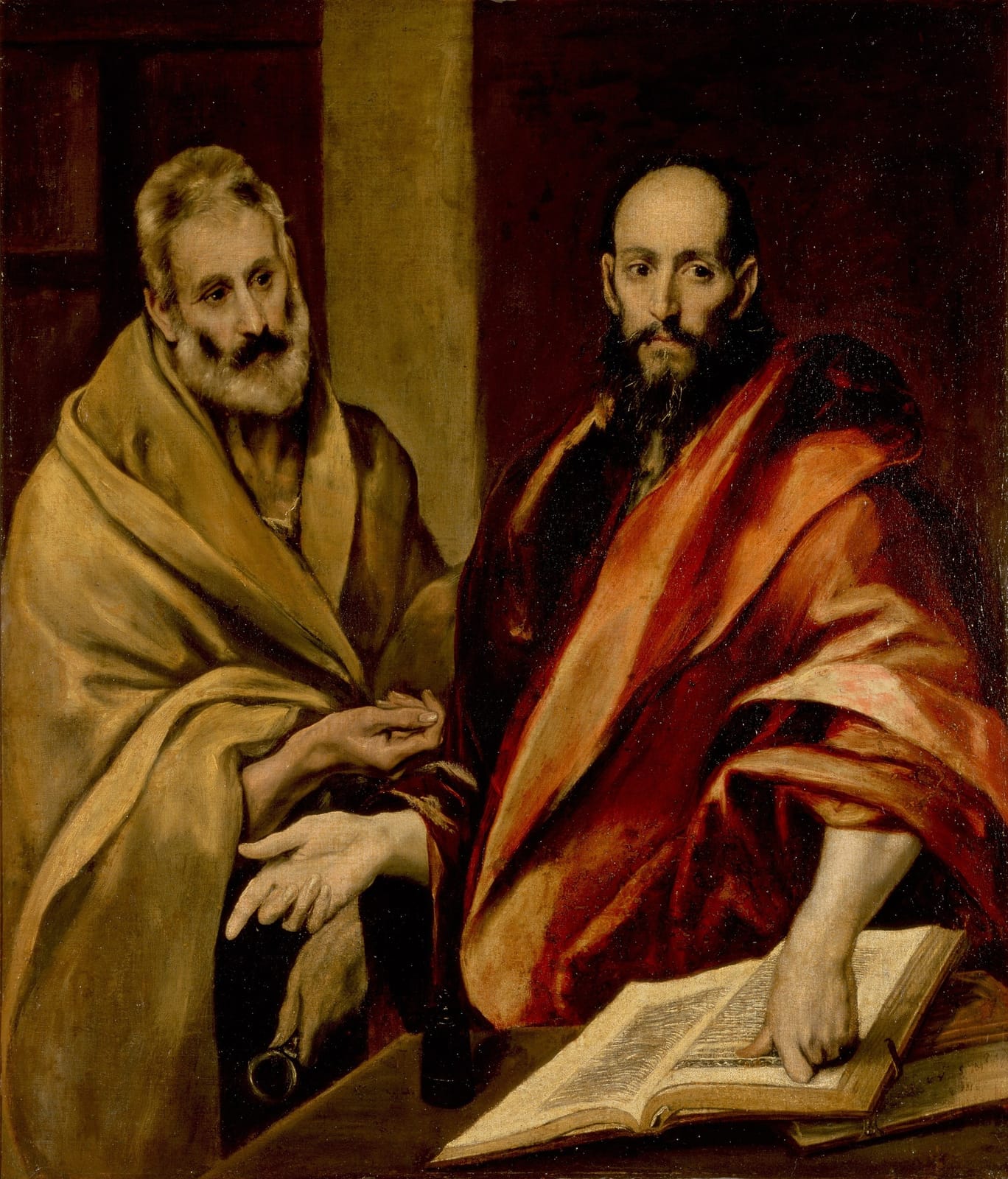
Saints Peter and Paul
Saints Peter and Paul, El Greco (1541–1614), c. 1587–1592. Credits

After Pentecost

June 29, 2027

June 29: Sts. Peter and Paul, Apostles

From Dom Guéranger’s The Liturgical Year.

SIMON, son of John, lovest thou me?' Behold the hour when the answer which the Son of Man exacted of the fisher of Galilee re-echoes from the seven hills and fills the whole earth. Peter no longer dreads the triple interrogation of his Lord. Since that fatal night wherein, after the first cockcrow, the prince of the apostles had denied his Master, tears have not ceased to furrow the cheeks of the Vicar of Christ; at last the day has come when his tears shall be dried! From that gibbet to which, at his own request, the humble disciple has been nailed head downwards, his bounding heart repeats the protestation which, ever since the scene enacted on the brink of Lake Tiberias, has been silently wearing his life away: ‘Yea, Lord; thou knowest that I love thee!'

Sacred day, on which the oblation of the first of Pontiffs assures to the West the rights of supreme priesthood! Day of triumph, in which the effusion of a generous life-blood wins for God the conquest of the Roman soil; in which, upon the cross of his representative, the divine Spouse concludes his eternal alliance with the queen of nations.

This week's Sunday: The Sixth Sunday after Pentecost

From Dom Guéranger’s The Liturgical Year.

The Office for the sixth Sunday after Pentecost, which began yesterday evening, reminded us, in its Magnificat antiphon, of a repentance which has never had an equal. David, the royal prophet, the conqueror of Goliath, himself conquered by sensuality, and from adulterer become a murderer, at last felt the crushing weight of his double crime, and exclaimed: 'I do beseech thee, O Lord, take away the iniquity of thy servant, for I have done foolishly!'

Sin is always a folly and a weakness, no matter of what kind it may be, or who he be that commits it. The rebel angel, and fallen man, may, in their pride, make efforts to persuade themselves that, when they sinned, they did not act as fools, and were not weak; but all their efforts are vain; sin must ever have this disgrace upon it, that it is folly and weakness, for it is a revolt against God, a contempt for His law, a mad act or the creature, who, being made by his.

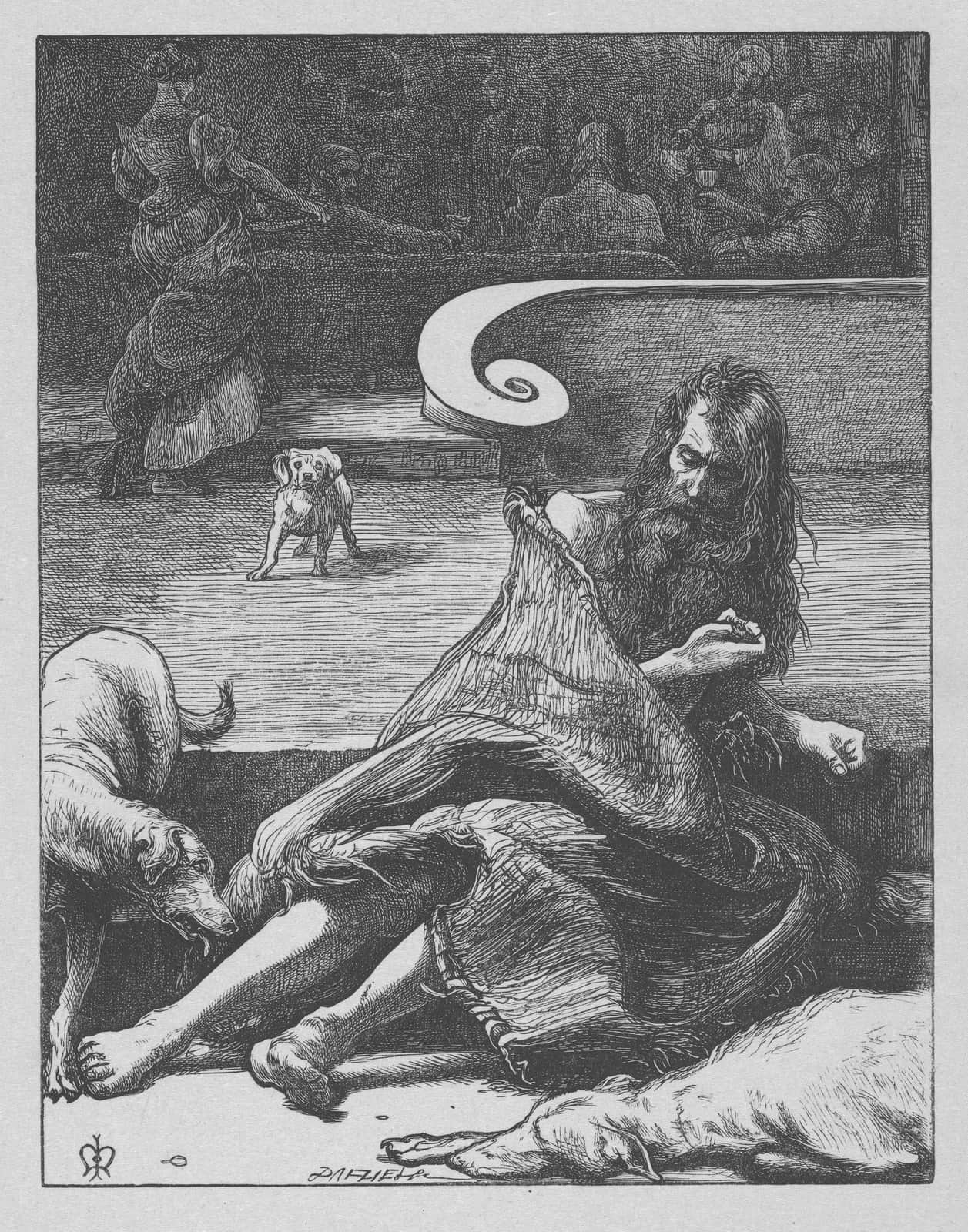
The rich man and Lazarus
Sir John Everett Millais (1829–1896), The Rich Man and Lazarus, from The Parables of Our Lord and Saviour Jesus Christ, 1864. Credits

Email view of this day