This day

July 1, 2027

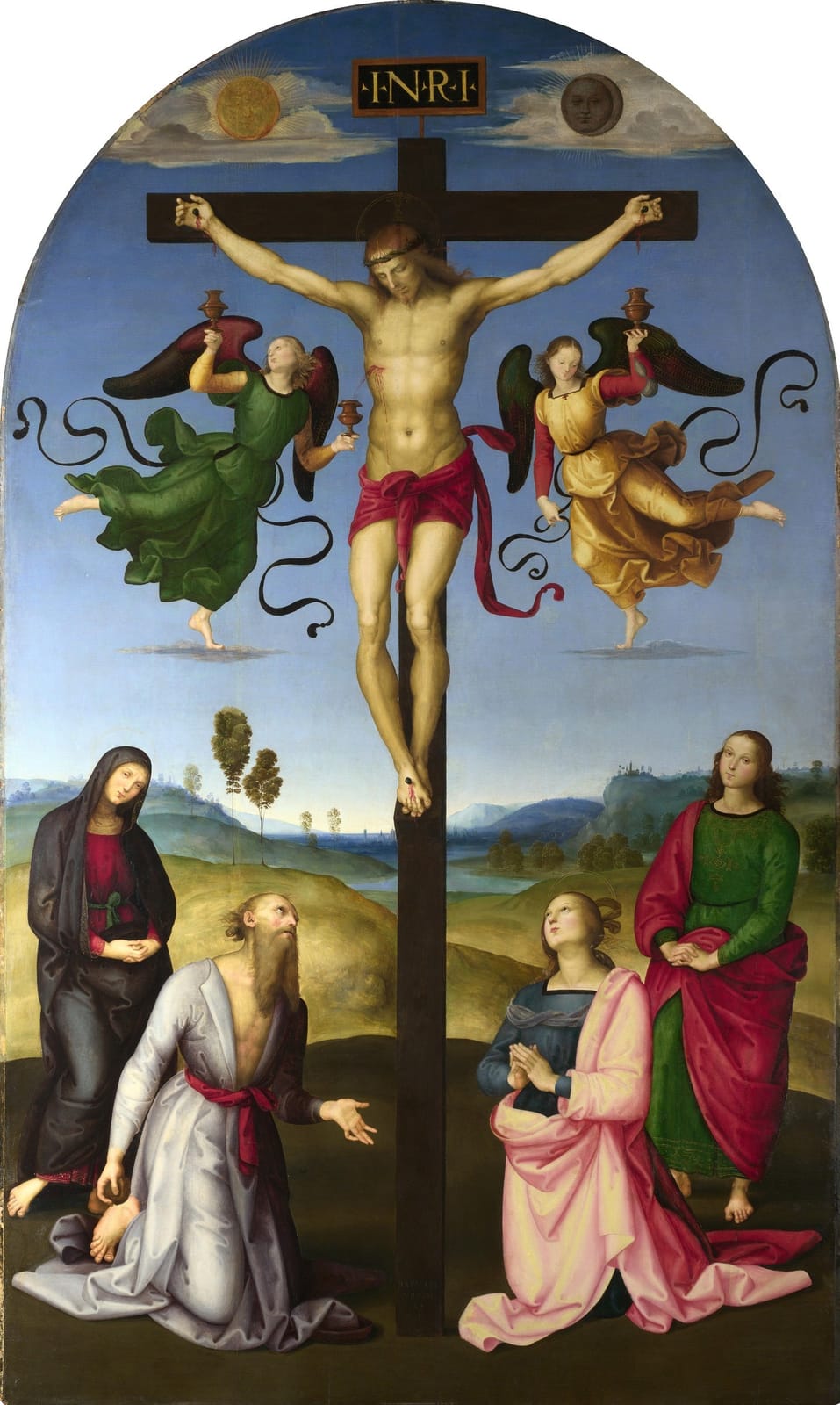
The Mond Crucifixion
The Mond Crucifixion, Raphael (1483–1520), c. 1502–1503. Credits

After Pentecost

July 1, 2027

July 1: Feast of the Most Precious Blood of Our Lord Jesus Christ

From Dom Guéranger’s The Liturgical Year.

JOHN the Baptist has pointed out the Lamb, Peter has firmly established his throne, Paul has prepared the bride; their joint work, admirable in its unity, at once suggests the reason for their feasts occurring almost simultaneously in the cycle. The alliance being now secured, all three fall into shade; whilst the bride herself, raised up by them to such lofty heights, appears alone before us, holding in her hands the sacred cup of the nuptial-feast.

This gives the key of to-day's solemnity, revealing how its appearance in the heavens of the holy liturgy at this particular season is replete with mystery. The Church, it is true, has already made known to the sons of the new covenant, in a much more solemn manner, the price of the Blood that redeemed them, its nutritive strength and the adoring homage which is its due. On Good Friday earth and heaven beheld all sin drowned in the saving stream, whose eternal flood-gates at last gave way beneath the combined effort of man's violence and of the love of the divine Heart. The festival of Corpus Christi witnessed our prostrate worship before the altars whereon is perpetuated the Sacrifice of Calvary, and where the outpouring of the precious Blood affords drink to the humblest little ones, as well as to the mightiest potentates of earth, lowly bowed in adoration before it.
Chapter 5: On Hearing Mass during the Time after Pentecost

From Dom Guéranger’s The Liturgical Year.

Of all the good acts wherewith a Christian can sanctify his day, there is not one which bears comparison with that of assisting at the holy sacrifice of the Mass. It is in that sacrifice, the supreme act of religion, that is centred all the homage due from man to his Creator; and it is also from the same sacrifice that God pours out profusely upon his creature man every sort of blessing. The very Son of God is really present there; there He is offered up to His Father, and the offering is always well-pleasing; and they who assist at this divine immolation with faith and love receive into their souls graces of a far richer kind than are given by ordinary means.

The assistance at Mass, if completed by the real participation of the divine victim, unites man to God in an ineffable way by the renovation of his whole being, for it produces an intimate communion between him and the Word Incarnate. But if the Christian who is assisting at the holy sacrifice goes no further than the uniting of his intentions with those of the divine victim, even so, his mere presence at so great an act includes a true participation in the supreme worship offered by this earth of ours to the Majesty of God, in Christ, and by Christ.

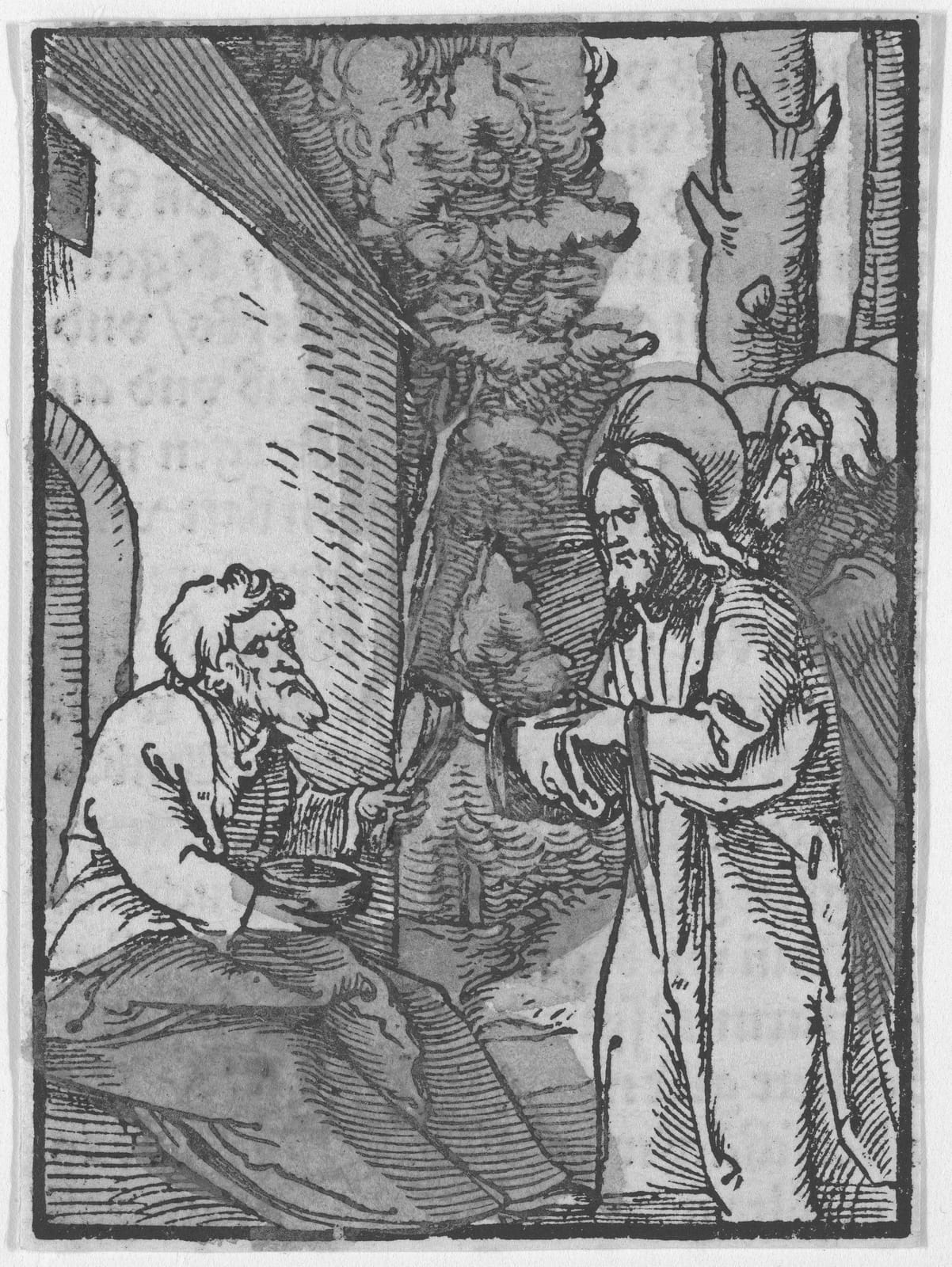
Christ healing a leper
Hans Schäufelein (1480–1540), Christ Healing the Leper, from Das Plenarium, 1517. Credits

Email view of this day