After Pentecost
July 18, 2027
The Ninth Sunday after Pentecost
From Dom Guéranger’s The Liturgical Year.
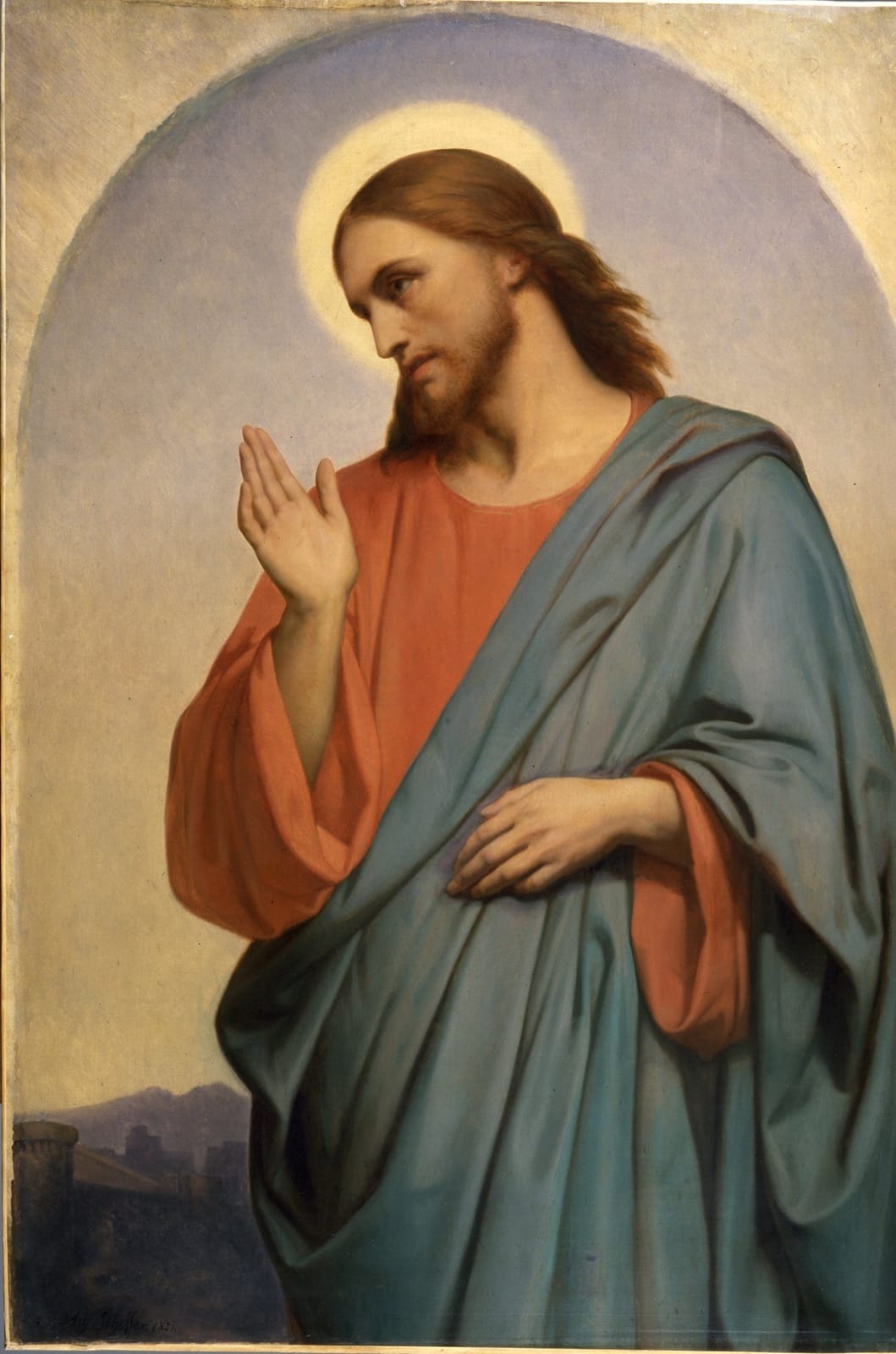
The lamentation over Jerusalem's woes, the subject of to-day's Gospel, has given its name to this ninth Sunday after Pentecost, at least among the Latins. We have already observed that it is easy to find, even in the liturgy as it now stands, traces of how the early Church was all attention to the approaching fulfilment of the prophecies against Jerusalem—that ungrateful city upon which our Jesus heaped His earliest favours. The last limit put by mercy upon justice has, at length, been passed. Our Lord, speaking of the ruin of Sion and its temple, had foretold that the generation that was listening to His words should not pass until what He had announced should be fulfilled. The almost forty years accorded to Juda, that he might avert the divine wrath, have had no other effect than to harden the people of deicides in their determination not to accept Christ as the Messiah. As a torrent, which, having been long pent back, rushes along all the fiercer when the embankment breaks, vengeance at length burst on the ancient Israel; it was in the year 70 that was executed the sentence he himself had passed when, delivering up his King and God to the Gentiles, he had cried out: 'His blood be upon us and upon our children!'