This day

July 22, 2027

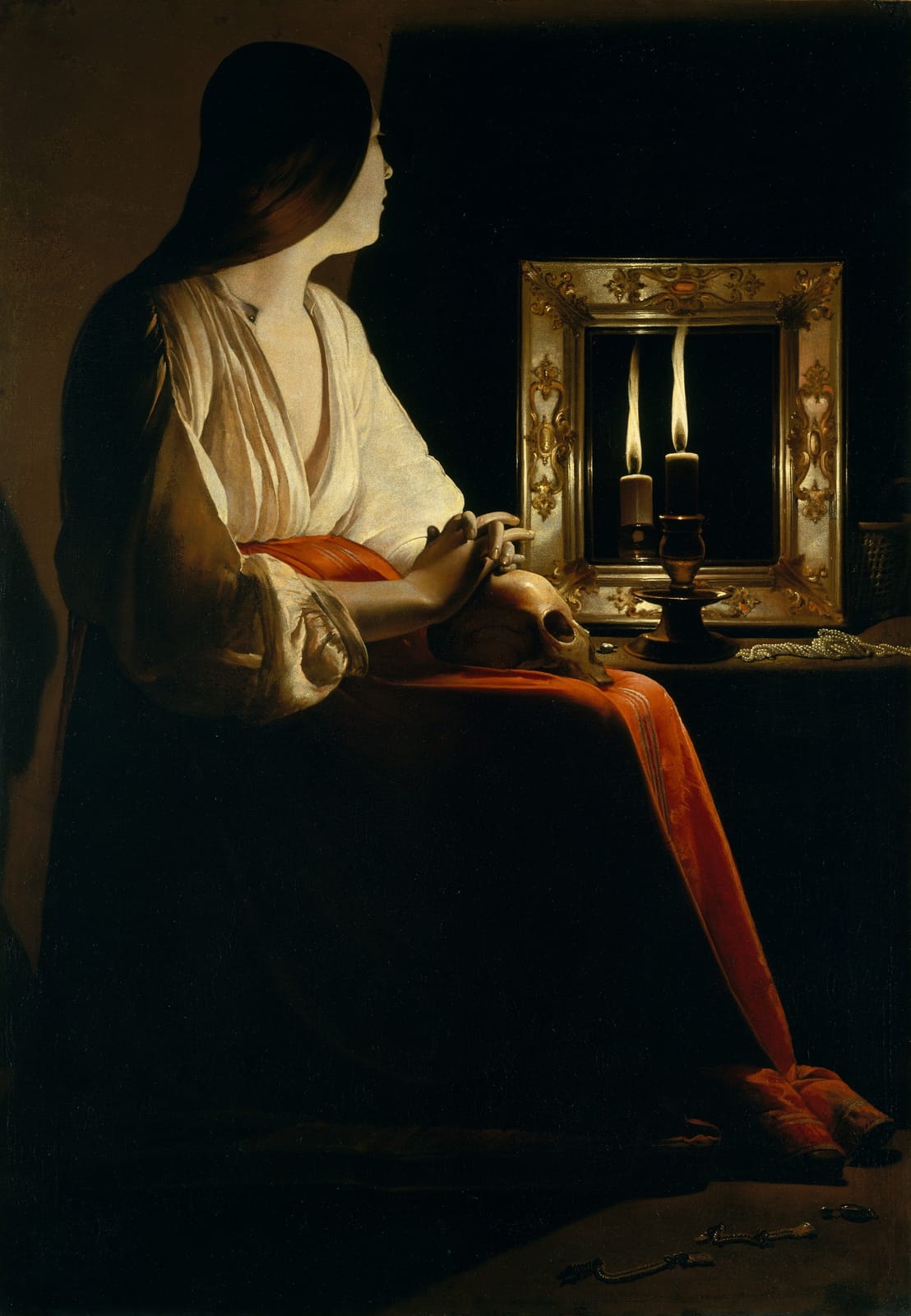
The Penitent Magdalen sits with a skull beside a candle
The Penitent Magdalen, Georges de La Tour (1593–1652), c. 1640. Credits

After Pentecost

July 22, 2027

July 22: St. Mary Magdalen

From Dom Guéranger’s The Liturgical Year.

‘THREE saints,’ said our Lord to St. Bridget of Sweden, 'have been more pleasing to me than all others: Mary my mother, John the Baptist, and Mary Magdalen.’ The Fathers tell us that Magdalen is a type of the Gentile Church, called from the depth of sin to perfect holiness; and, indeed, better than any other, she personifies both the wanderings and the love of the human race, espoused by the Word of God. Like the most illustrious characters of the law of grace, she has her antitype in past ages. Let us follow the history of this great penitent as traced by unanimous tradition: Magdalen’s glory will not be thereby diminished.

When, before all ages, God decreed to manifest His glory, He willed to reign over a world drawn from nothing; and as His goodness was equal to His power, He would have the triumph of supreme love to be the law of that kingdom, which the Gospel likens unto a king who made a marriage for his son.

Passing over the pure intelligences whose nine choirs are filled with divine light, the immortal Son of the King of ages looked down to the extreme limits of creation; there he beheld human nature, made, indeed, to know God, but acquiring that knowledge laboriously; its weakness would better show His divine condescension: with it, then, He chose to contract His alliance.

This week's Sunday: The Ninth Sunday after Pentecost

From Dom Guéranger’s The Liturgical Year.

The lamentation over Jerusalem's woes, the subject of to-day's Gospel, has given its name to this ninth Sunday after Pentecost, at least among the Latins. We have already observed that it is easy to find, even in the liturgy as it now stands, traces of how the early Church was all attention to the approaching fulfilment of the prophecies against Jerusalem—that ungrateful city upon which our Jesus heaped His earliest favours. The last limit put by mercy upon justice has, at length, been passed. Our Lord, speaking of the ruin of Sion and its temple, had foretold that the generation that was listening to His words should not pass until what He had announced should be fulfilled. The almost forty years accorded to Juda, that he might avert the divine wrath, have had no other effect than to harden the people of deicides in their determination not to accept Christ as the Messiah. As a torrent, which, having been long pent back, rushes along all the fiercer when the embankment breaks, vengeance at length burst on the ancient Israel; it was in the year 70 that was executed the sentence he himself had passed when, delivering up his King and God to the Gentiles, he had cried out: 'His blood be upon us and upon our children!'

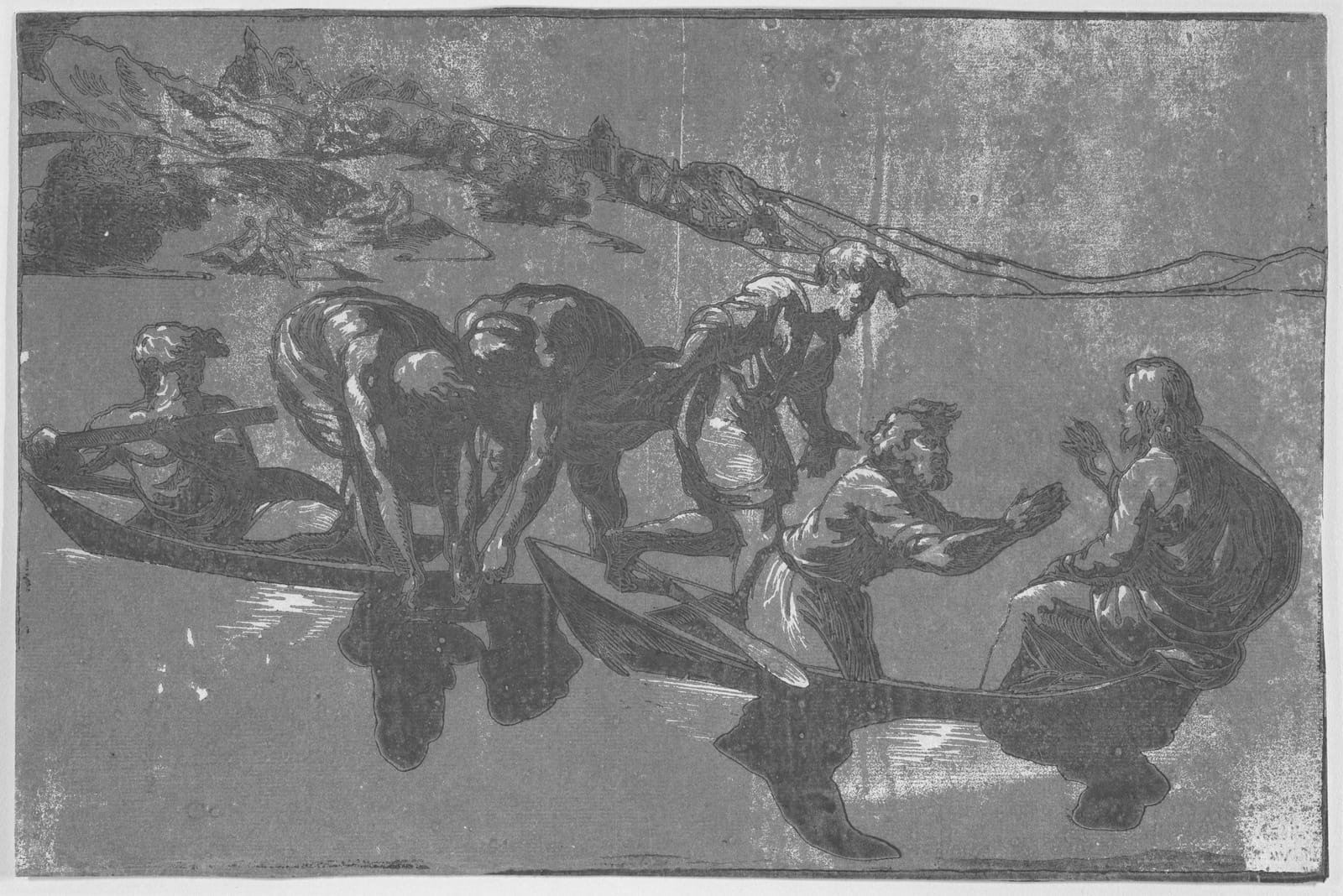
The miraculous draught of fishes
Niccolò Vicentino (1510–1550), The Miraculous Draught of Fishes, 1540–50. Credits

Email view of this day