This day

July 24, 2027

After Pentecost

July 24, 2027

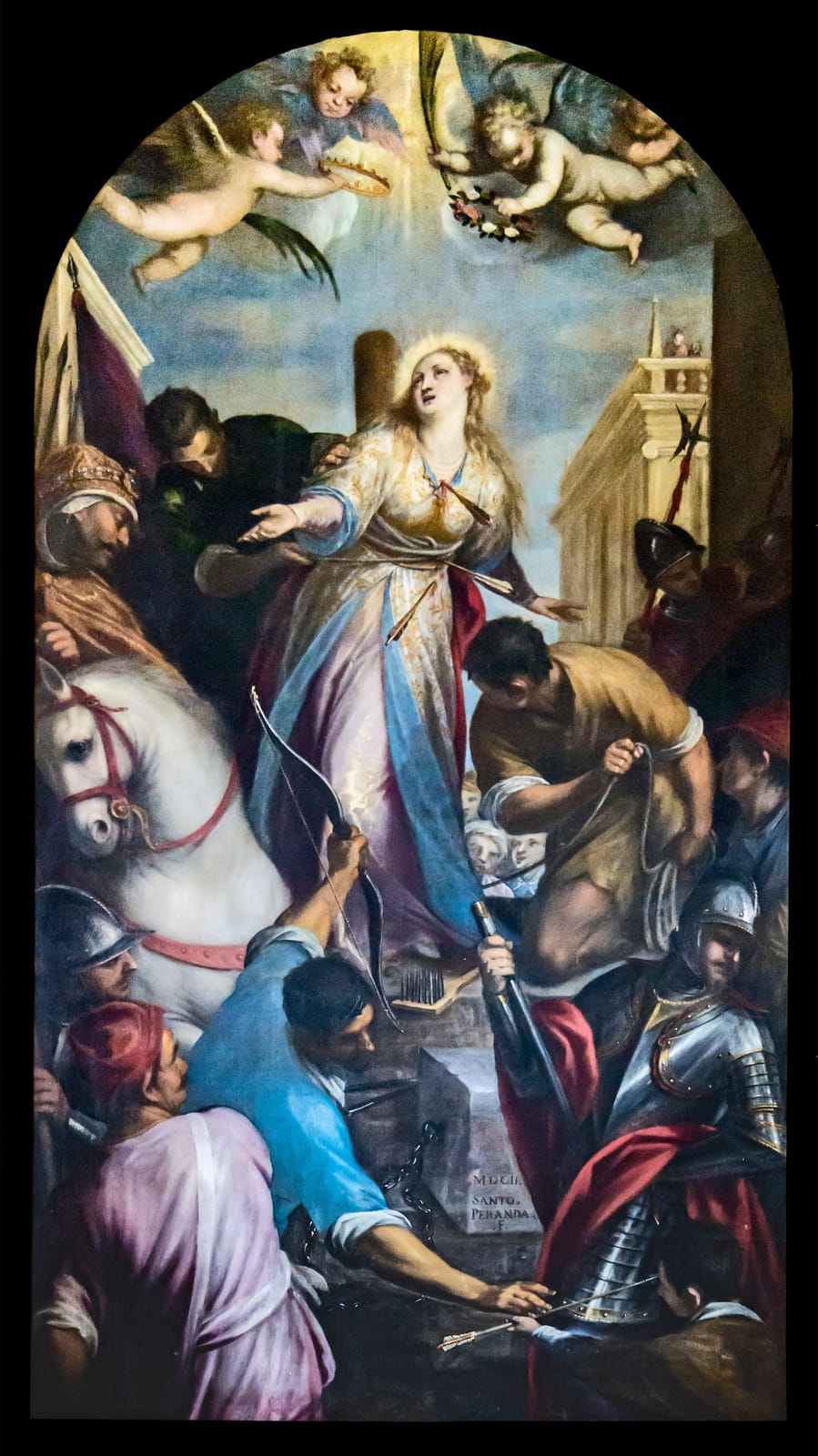
July 24: St. Christina, Virgin and Martyr

From Dom Guéranger’s The Liturgical Year.

CHRISTINA, whose very name fills the Church with the fragrance of the Spouse, comes as a graceful harbinger to the feast of the elder son of thunder. The ancient Vulsinium, seated by its lake with basalt shores and calm clear waters, was the scene of a triumph over Etruscan paganism, when this child of ten years despised the idols of the nations, in the very place where, according to the edicts of Constantine, the false priests of Umbria and Tuscany held a solemn annual reunion.

The discovery of Christina's tomb in our days has confirmed this particular of the age of the martyr as given in her Acts, which were denied authenticity by the science of recent times: one more lesson given to an infatuated criticism which mistrusts everything but itself.

As we look from the shore where the heroic child was laid to rest after her combat, and see the isle where Amalasonte, the noble daughter of Theodoric the Great, perished so tragically, the nothingness of mere earthly grandeur speaks more powerfully to the soul than the most eloquent discourse.

This week's Sunday: The Ninth Sunday after Pentecost

From Dom Guéranger’s The Liturgical Year.

The lamentation over Jerusalem's woes, the subject of to-day's Gospel, has given its name to this ninth Sunday after Pentecost, at least among the Latins. We have already observed that it is easy to find, even in the liturgy as it now stands, traces of how the early Church was all attention to the approaching fulfilment of the prophecies against Jerusalem—that ungrateful city upon which our Jesus heaped His earliest favours. The last limit put by mercy upon justice has, at length, been passed. Our Lord, speaking of the ruin of Sion and its temple, had foretold that the generation that was listening to His words should not pass until what He had announced should be fulfilled. The almost forty years accorded to Juda, that he might avert the divine wrath, have had no other effect than to harden the people of deicides in their determination not to accept Christ as the Messiah.

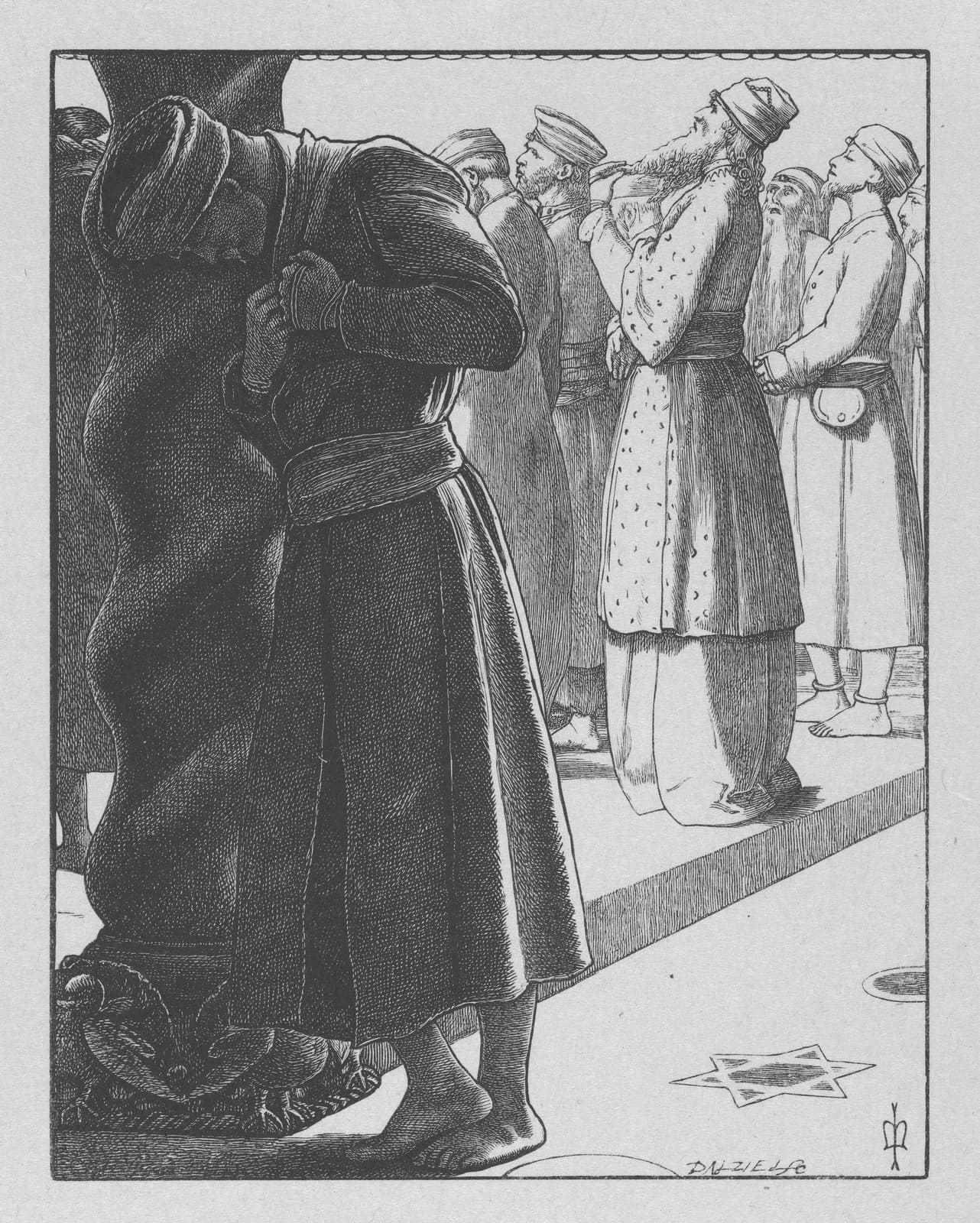
The Pharisee and the publican in the Temple
Sir John Everett Millais (1829–1896), The Pharisee and the Publican, from The Parables of Our Lord and Saviour Jesus Christ, 1864. Credits

Email view of this day