This day

August 3, 2027

After Pentecost

August 3, 2027

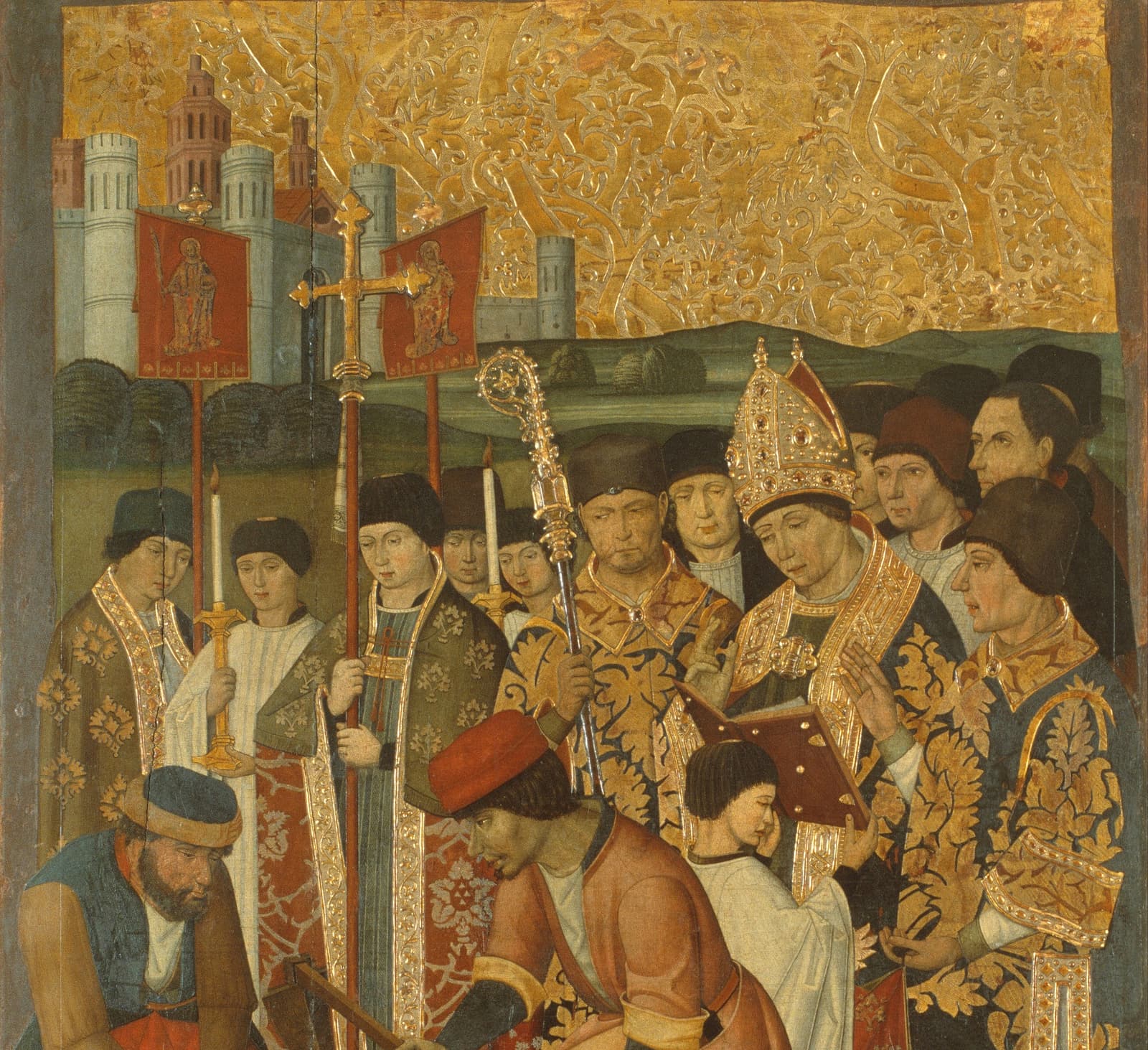
August 3: Finding of St. Stephen, Protomartyr

From Dom Guéranger’s The Liturgical Year.

URGED by the approach of Laurence's triumph, Stephen rises to assist at his combat; it is a meeting full of beauty and strength, revealing the work of eternal Wisdom in the arrangement of the sacred cycle. But the present feast has other teachings also to offer us.

The first resurrection, of which we spoke above, continues for the saints. After Nazarius and Celsus, and all the martyrs whom the victory of Christ has shown to be partakers of His glory according to the divine promise, the standard-bearer of the whiterobed army himself rises glorious from his tomb to lead the way for new triumphs. The fierce auxiliaries of God’s anger against idolatrous Rome, after reducing the false gods to powder, must in their turn be subjugated; and this second victory will be the work of the martyrs aiding the Church by their miracles, as the first was that of their faith despising death and tortures. The received method of writing history in our days ignores such considerations; that is no reason why we should follow the fashion; the exactitude of its data, on which the science of this age plumes itself, is but one more proof that falsehood is as easily nurtured by omissions as by positive misstatements.


This week's Sunday: The Eleventh Sunday after Pentecost

From Dom Guéranger’s The Liturgical Year.

With the Greeks, this Sunday—their eleventh of Saint Matthew—is called the Parable of the King, who calls his servants to account. In the western Church, it has gone under the name of Sunday of the deaf and dumb, ever since the Gospel of the pharisee and the publican has been assigned to the tenth. To-day's Mass, as we now have it, still gives evidence as to what was its ancient arrangement. Our commentary on to-day's liturgy will show us this very plainly.

In the years when Easter falls nearest to March 21 the Books of Kings are continued as lessons of Matins up to, but never beyond, this Sunday. The sickness of the good king Ezechias, and the miraculous cure he obtained by his prayers and tears, are then the subject of the first lessons of the night-Office.

The learned and pious Abbot Rupert, writing on this Sunday's Mass previous to the change made in the order of the Gospel lessons, thus explains the Church's reason for selecting the following Introit: ‘The publican in the Gospel accuses himself, saying: “I am not worthy to lift up mine eyes to heaven.”

Christ teaching the disciples
Hans Schäufelein (1480–1540), Christ Teaching the Disciples, from Das Plenarium, 1517. Credits

Email view of this day