This day

August 16, 2027

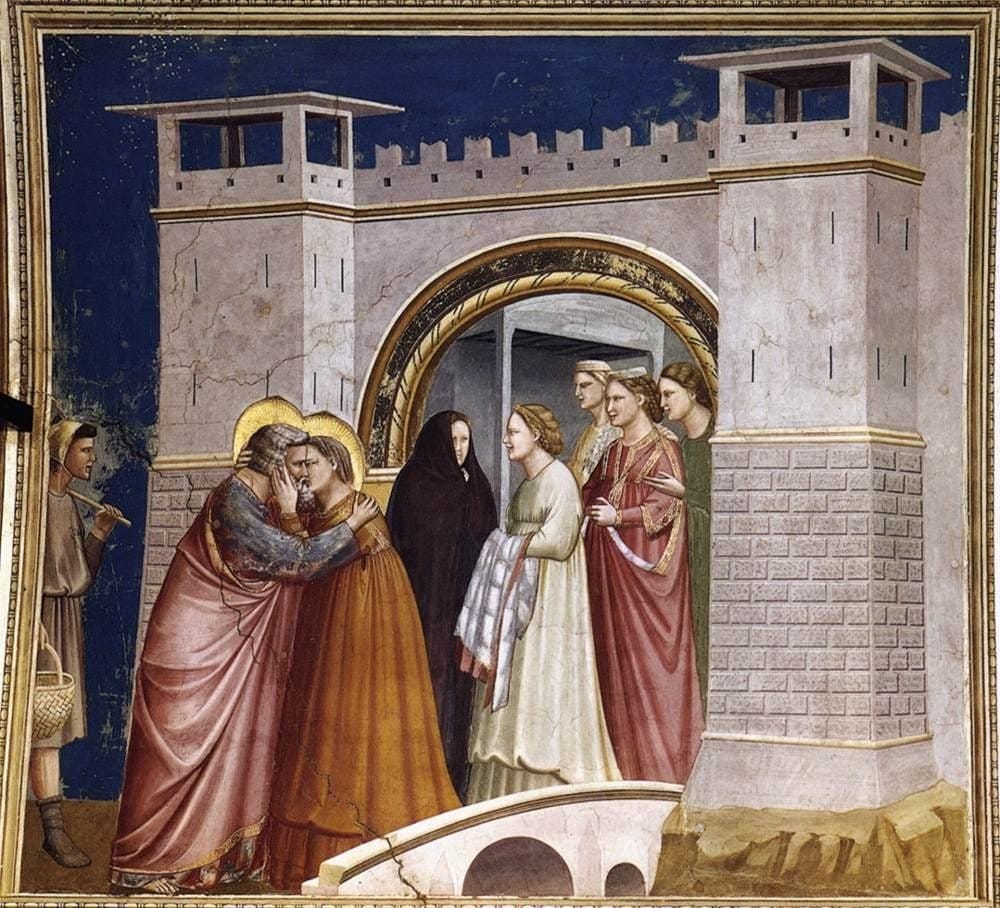
Meeting at the Golden Gate
Meeting at the Golden Gate, Giotto, c. 1305. Credits

After Pentecost

August 16, 2027

A Double of the II Class leads; St. Roch is commemorated.Rubric

August 16: St. Joachim, Confessor, Father of the Blessed Virgin Mary

From Dom Guéranger’s The Liturgical Year.

FROM time immemorial the Greeks have celebrated the feast of St. Joachim on the day following our Lady's birthday. The Maronites kept it on the day after the Presentation in November, and the Armenians on the Tuesday after the Octave of the Assumption of the Mother of God. The Latins at first did not keep his feast. Later on it was admitted and celebrated sometimes on the day after the Octave of the Nativity, September 16, sometimes on the day following the Conception of the Blessed Virgin, December 9. Thus both East and West agreed in associating St. Joachim with his illustrious daughter when they wished to do him honour.

About the year 1510, Julius II placed the feast of the grandfather of the Messias upon the Roman Calendar with the rank of double major; and remembering that family, in which the ties of nature and of grace were in such perfect harmony, he fixed the solemnity on March 20, the day after that of his son-in-law, St. Joseph. The life of the glorious patriarch resembled those of the first fathers of the Hebrew people; and it seemed as though he were destined to imitate their wanderings also, by continually changing his place upon the sacred cycle.
Chapter 3: The Practice for the Time after Pentecost

From Dom Guéranger’s The Liturgical Year.

The object which the Church has in view by her liturgical year is the leading of the Christian soul to union with Christ, and this by the Holy Ghost. This object is the one which God Himself has in giving us His own Son to be our mediator, our teacher, and our Redeemer, and in sending us the Holy Ghost to abide among us. To this end is directed all that aggregate of rites and prayers which we have hitherto explained: they are not a mere commemoration of the mysteries achieved for our salvation by the divine goodness, but they bring with them the graces corresponding to each of those mysteries; that thus we may come, as the apostle expresses it, ‘to the age of the fullness of Christ.’

As we have elsewhere explained, our sharing in the mysteries of Christ, which are celebrated in the liturgical year, produces in the Christian what is called in mystic theology the illuminative life, in which the soul gains continually more and more of the light of the Incarnate Word, who, by His examples and teachings, renovates each one of her faculties, and imparts to her the habit of seeing all things from God’s point of view.

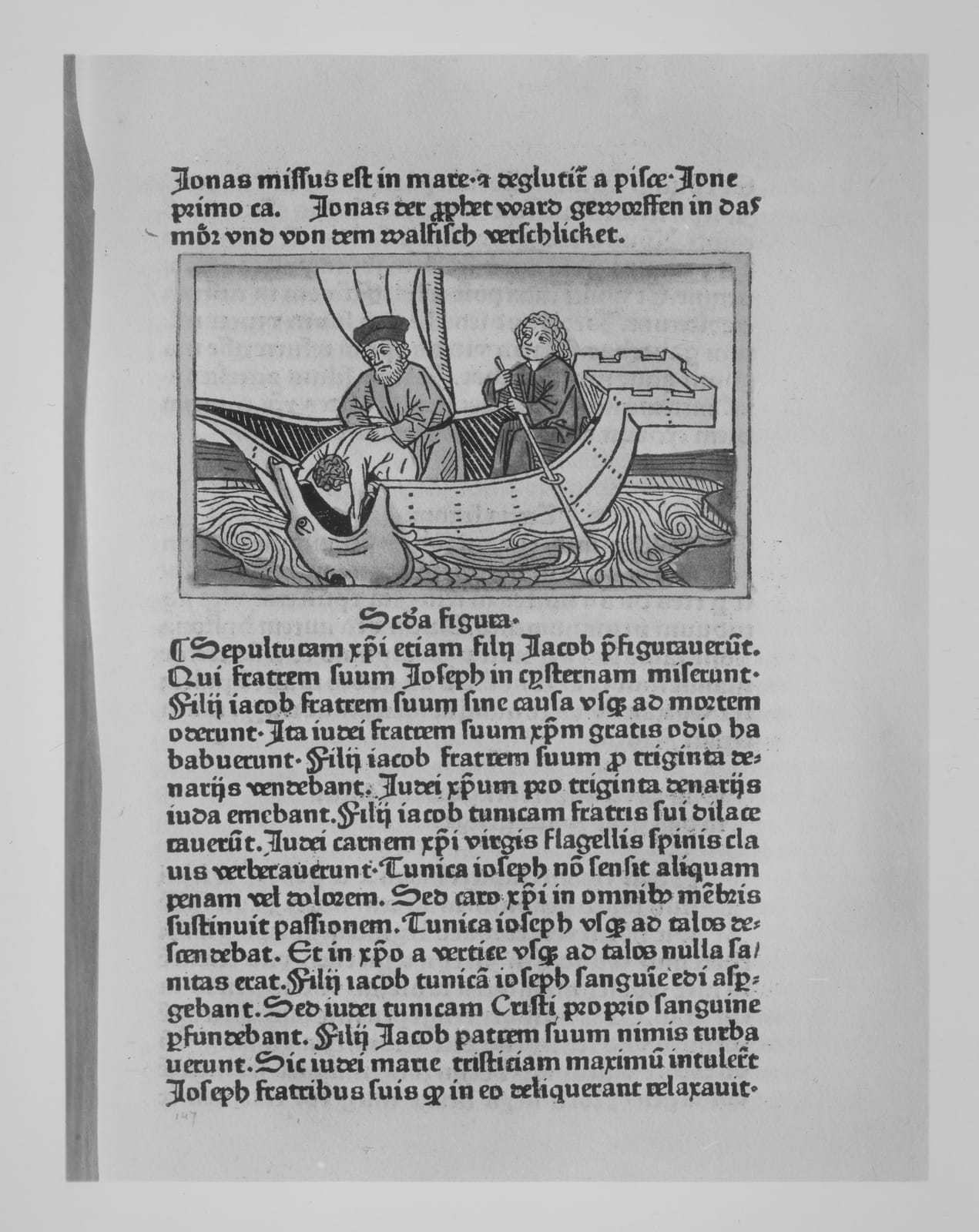
A woodcut opening from Speculum humanae salvationis
Günther Zainer (d. 1478), Speculum humanae salvationis, ca. 1473. Credits

Email view of this day